

Industry News
Buy Bentonite Grinding Mill for Drilling Mud Applications in Saudi Arabia
2026-02-01 10:36:54
We are Liming Heavy Industry, a manufacturer of various types of industrial crushers, such as Raymond Mill, Trapezoidal Mill, Vertical Mill, Ultrafine Mill, Ball Mill, etc.
Our mills can process the following minerals:
limestone, quicklime, kaolin, talc, barite, bentonite, calcium carbonate, dolomite, coal, gypsum, clay, carbon black, slag, cement raw materials, cement clinker, etc.
If you need a mill to process stone or minerals into powder, please feel free to contact me (WhatsApp: +86 153 3380 7511). Thank you.
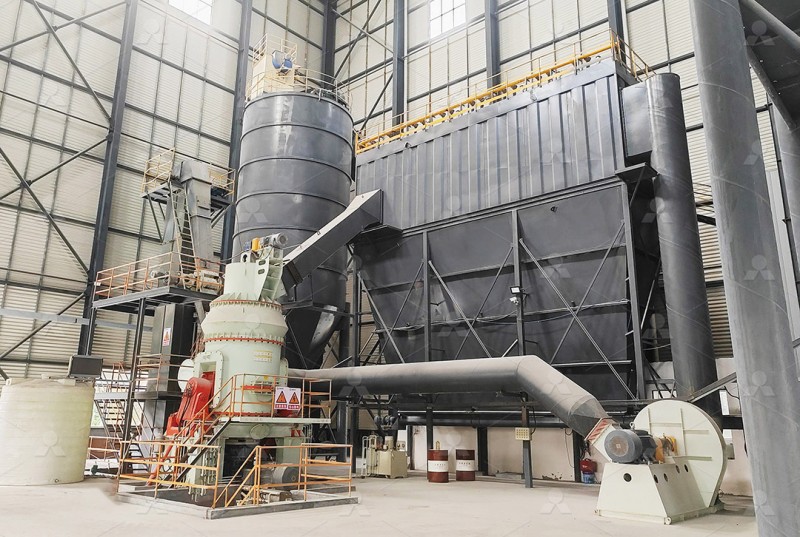
Optimizing Drilling Fluid Production: A Professional Guide to Selecting Bentonite Grinding Mills in Saudi Arabia
For over a decade, I have traversed the dusty, sun-bleached quarries of the Middle East and the high-tech control rooms of processing plants. If there is one truth in the Saudi Arabian industrial sector, it is that the oil and gas industry is the heartbeat of the economy, and drilling mud is the lifeblood that keeps that heart pumping. As a professional dedicated to non-metallic mineral powder processing, I have seen firsthand how the quality of Sodium Bentonite directly correlates to the efficiency of drilling operations.
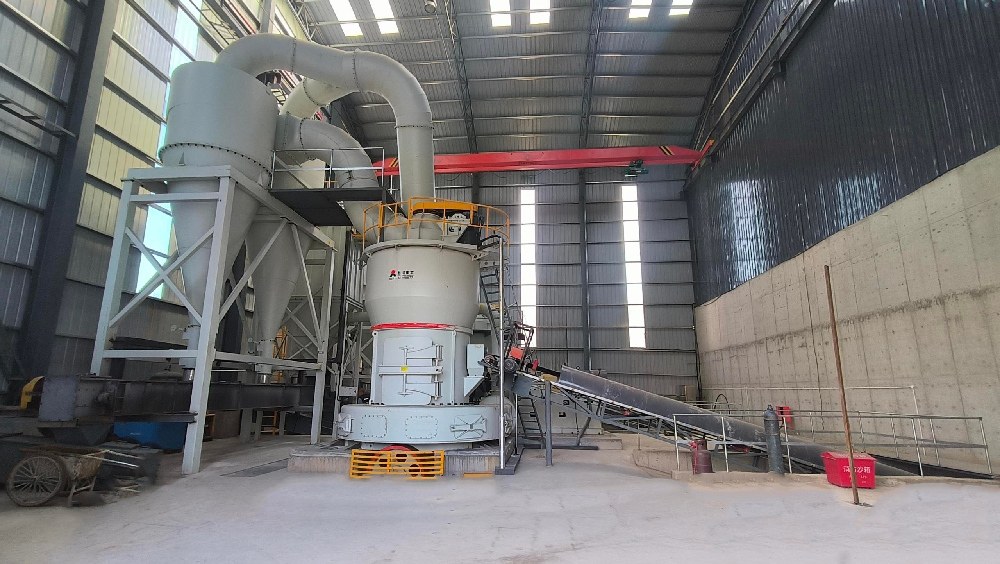
In the Kingdom of Saudi Arabia, where drilling conditions are among the most challenging in the world, the demand for high-grade drilling fluids (API 13A standard) is insatiable. However, the gap between raw bentonite clay and a high-yield viscosifier lies entirely in the processing technology. Specifically, the grinding mill. Choosing the right milling equipment is not merely a procurement decision; it is an operational strategy that dictates your yield, your overheads, and your reputation in the oilfields.
This article navigates the technical and commercial landscape of setting up a bentonite processing line in Saudi Arabia, focusing on the two titans of the industry: the Raymond Mill and the Vertical Roller Mill, with a specific recommendation for the solutions provided by Liming Heavy Industry.
The Critical Role of Particle Size in Drilling Fluids
Before discussing machinery, we must understand the material. Bentonite for drilling mud is not just about chemistry; it is about rheology. When mixed with water, the powder must disperse rapidly, swell, and form a thixotropic gel that can carry drill cuttings to the surface and seal the borehole walls.
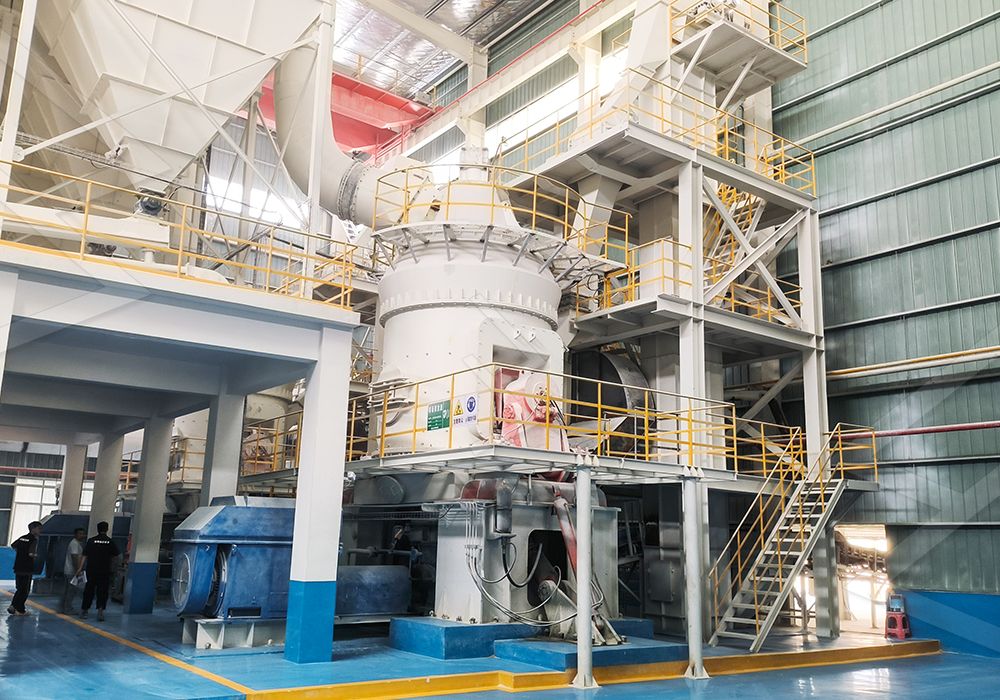
The American Petroleum Institute (API) sets rigorous standards. Typically, the requirement dictates that 98% of the powder must pass through a 100-mesh screen, or roughly 75 to 90 microns, depending on the specific grade (OCMA vs. API). If the grinding is too coarse, the clay will not hydrate fully, leading to poor suspension properties. If it is ground too fine (over-ground), you risk destroying the crystalline structure responsible for swelling, or simply wasting massive amounts of energy for no rheological gain.
Therefore, the grinding mill you select must offer precise control over Particle Size Distribution (PSD). It must be consistent, hour after hour, ton after ton.
The Contenders: Raymond Mill vs. Vertical Roller Mill
In the context of the Saudi market, two technologies dominate. Deciding between them usually comes down to required capacity, moisture content of the raw ore, and capital investment.
1. The Evolution of the Classic: Liming MTW European Trapezium Mill (Raymond Mill)
The Raymond mill is the veteran of the powder processing world. For decades, it has been the standard for grinding Mohs hardness scale 7 and below. However, traditional Raymond mills often suffer from lower efficiency and high maintenance on the roller assemblies. This is where Liming Heavy Industry altered the landscape with the MTW series.
The MTW European Trapezium Mill is what I often recommend to small-to-medium enterprise (SME) plant owners in Saudi Arabia who need a balance between performance and initial investment. Unlike older pendulum mills, the MTW connects the roller assembly directly to the main shaft, reducing energy loss.
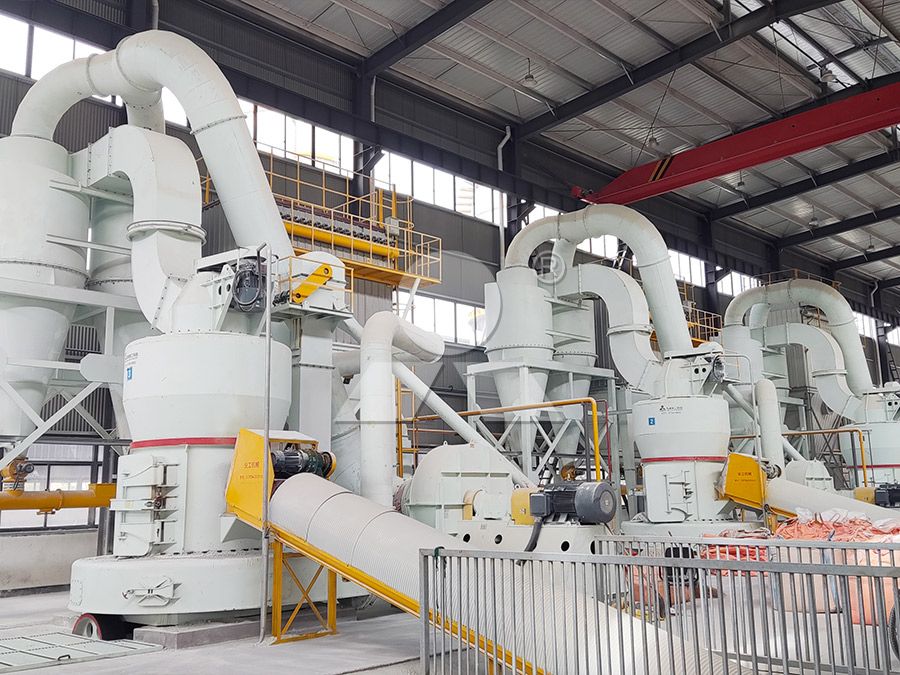
Why it fits the Saudi Bentonite market:
Soda Ash Activation: Many processing lines in Saudi Arabia require the addition of soda ash (sodium carbonate) to activate calcium bentonite into sodium bentonite. The MTW mill acts as an excellent mixer during the grinding process, ensuring uniform activation due to the intense turbulence inside the grinding chamber.
Cost-Efficiency: For producers targeting outputs of 3 to 20 tons per hour, the MTW offers the fastest Return on Investment (ROI).
Robustness: The bevel gear drive system is enclosed, which is crucial in the dusty, abrasive environments typical of Saudi industrial zones.
2. The High-Volume Powerhouse: Liming LM Vertical Roller Mill (VRM)
If your ambition is to supply major players like Aramco or international oil service companies (Schlumberger, Halliburton, Baker Hughes), you are likely looking at production requirements exceeding 20, 30, or 50 tons per hour. In this scenario, the Raymond mill reaches its physical limits, and the Vertical Roller Mill (VRM) becomes the necessary choice.
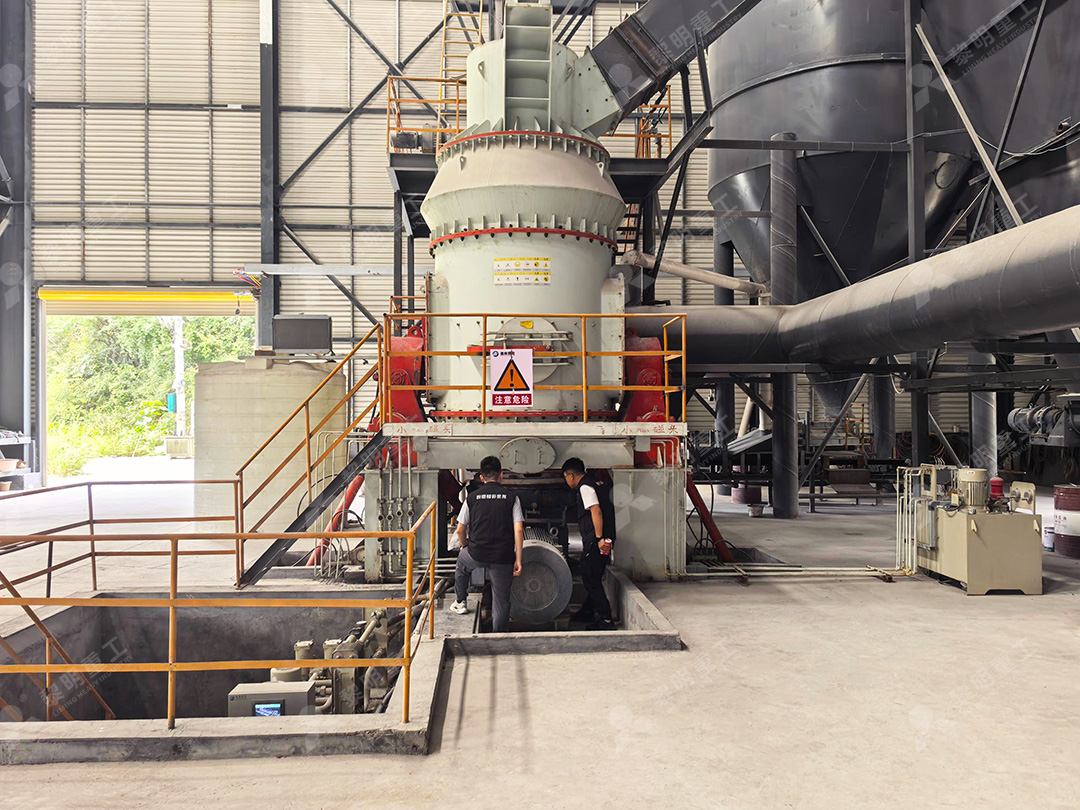
Liming Heavy Industry's LM series Vertical Mill is an integrated system that combines crushing, drying, grinding, classifying, and conveying into a single unit. This "drying" capability is the killer feature for bentonite.
The Moisture Challenge: Raw bentonite often holds significant moisture (15% to 25%). A Raymond mill generally requires raw material to be dried before entering the mill if moisture exceeds 6%. This necessitates a separate rotary dryer, adding complexity and fuel costs. The Liming LM Vertical Mill, however, channels hot air directly into the milling chamber. It can handle raw materials with high moisture content and dry them during the grinding process.
_1761355701094.jpg)
Advantages for Large-Scale Saudi Operations:
Energy Consumption: The grinding efficiency of the LM series is roughly 30% to 40% higher than ball mills or older suspension mills. In a region where energy subsidies are being reformed, this operational saving is massive over a 5-year period.
Space and Civil Works: Because it integrates drying and classifying, the footprint is roughly 50% of a ball mill system. For plants in industrial cities like Jubail or Yanbu where land allocation can be strict, this is a distinct advantage.
Automated Control: The LM series is designed for PLC control systems, allowing operators to adjust speed, pressure, and airflow remotely to maintain strict API adherence without manual intervention.
Why Liming Heavy Industry?
In my years of selling and consulting, I have seen many manufacturers come and go. The reason I consistently point clients toward Liming Heavy Industry is not just the iron; it is the ecosystem.
Saudi Arabia is a demanding market. The heat affects motor cooling; the sand affects filtration systems. Liming has adapted their machinery for these environments. Their wear parts—rollers and grinding rings—are cast from high-manganese steel and specialized alloys that resist the abrasive nature of silica often found in lower-grade bentonite deposits.
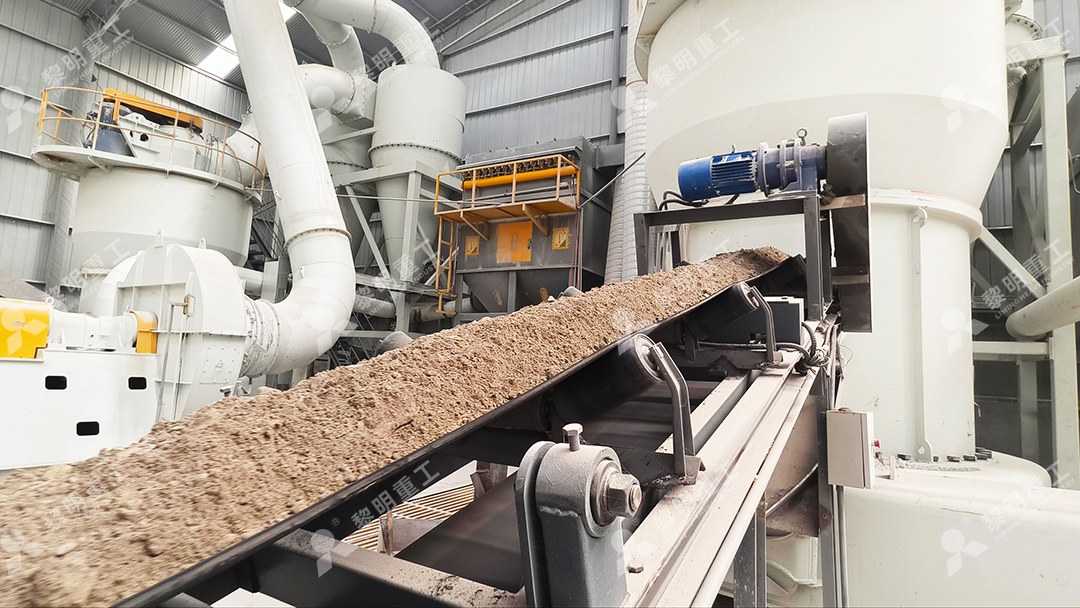
Furthermore, the "turnkey" capability is vital. Liming does not just sell a mill; they engineer the airflow piping, the pulse dust collectors (essential for environmental compliance in Saudi Arabia), and the packing systems. When you are operating in a remote quarry near Khulais or dedicated industrial zones in Dammam, you want a single point of accountability, not a patchwork of suppliers.
The Verdict
The drilling fluids market in Saudi Arabia is moving toward stricter quality control and higher volumes. The days of "good enough" processing are fading.
If you are establishing a boutique bentonite plant or a specialized line for specific additives with a limited budget, the Liming MTW Series (Raymond Mill) is your workhorse. It is reliable, easy to maintain, and produces excellent particle shape.
However, if you are capitalizing on the massive infrastructure and energy projects and require high throughput with integrated drying to process raw clay directly from the quarry, the Liming LM Vertical Roller Mill is the superior strategic investment. It lowers your OPEX per ton and future-proofs your facility against rising energy costs.
Success in the mineral powder business is defined by uptime and consistency. Choose the machine that guarantees both.
Frequently Asked Questions (FAQ)
1. Can Liming mills achieve the API 13A standard for fineness?
Yes. Both the MTW Raymond Mill and the LM Vertical Mill are equipped with variable frequency cage-type powder classifiers. These allow you to precisely adjust the particle size to meet the API standard (typically 98% passing 100 mesh or finer requirements) and ensure a steep particle size distribution curve.
2. How does the mill handle the moisture in raw bentonite?
The MTW Raymond Mill handles moisture up to 6%. If your raw bentonite is wetter, you will need an external dryer. The LM Vertical Roller Mill, however, utilizes a hot air stream within the mill itself, capable of processing raw material with moisture contents up to 15-20% efficiently, drying it while grinding.
3. We need to add soda ash for activation. Can this be done in the mill?
Absolutely. The grinding chamber is an excellent environment for mixing. You can feed sodium carbonate (soda ash) simultaneously with the raw bentonite. The rolling and grinding action ensures intimate contact and uniform activation, which is critical for achieving the desired swelling index.
4. What is the wear life of the rollers and rings?
Wear life depends on the silica content (abrasiveness) of your specific bentonite deposit. However, Liming uses high-chrome alloy and specialized wear-resistant materials. Generally, for bentonite (which is relatively soft, Mohs 1-2, but contains abrasive impurities), you can expect significantly longer service life compared to standard limestone applications. Liming also offers hard-facing services for Vertical Mill rollers to extend lifespan further.
_1761355701097.jpg)
5. Is it difficult to switch between different product grades?
No. With the modern classifiers used on Liming machines, changing product fineness is done via the control panel by adjusting the rotor speed of the classifier and the airflow. There is no need to stop the machine to mechanically change screens, allowing for rapid transitions between drilling mud grades and other industrial bentonite applications.
6. How does the equipment perform in high ambient temperatures like Saudi Arabia?
Liming Heavy Industry configures motors and electrical components to suit local conditions. For the Saudi market, we ensure that lubrication systems have adequate cooling capacity and that motors are rated for high ambient temperatures to prevent overheating during continuous summer operation.
7. What is the lead time for spare parts in the Middle East?
Liming has a robust global service network. While critical spares should always be stocked on-site (a list we provide upon commissioning), standard wear parts are readily shippable. We emphasize a preventive maintenance schedule to ensure you order parts before they are critically needed, minimizing downtime.
8. Can you provide a complete plant design, not just the mill?
Yes. We specialize in EPC (Engineering, Procurement, Construction) projects. We design the entire flow, from the raw material hopper, belt conveyors, and magnetic separators (to remove tramp iron), to the mill, dust collector, and final automatic packing system. This ensures component compatibility and system efficiency.
9. How does the dust collection system comply with Saudi environmental regulations?
We utilize advanced Pulse-Jet Bag Filters. These systems are designed to capture 99.9% of dust, ensuring that the exhaust air meets strict international and Saudi environmental standards. This also recovers valuable fine powder that would otherwise be lost to the atmosphere.


