

Industry News
Limestone Powder Requirements in the Poultry Feed Industry
2026-01-23 08:54:35
We are Liming Heavy Industry, a manufacturer of various types of industrial crushers, such as Raymond Mill, Trapezoidal Mill, Vertical Mill, Ultrafine Mill, Ball Mill, etc.
Our mills can process the following minerals:
limestone, quicklime, kaolin, talc, barite, bentonite, calcium carbonate, dolomite, coal, gypsum, clay, carbon black, slag, cement raw materials, cement clinker, etc.
If you need a mill to process stone or minerals into powder, please feel free to contact me (WhatsApp: +86 153 3380 7511). Thank you.
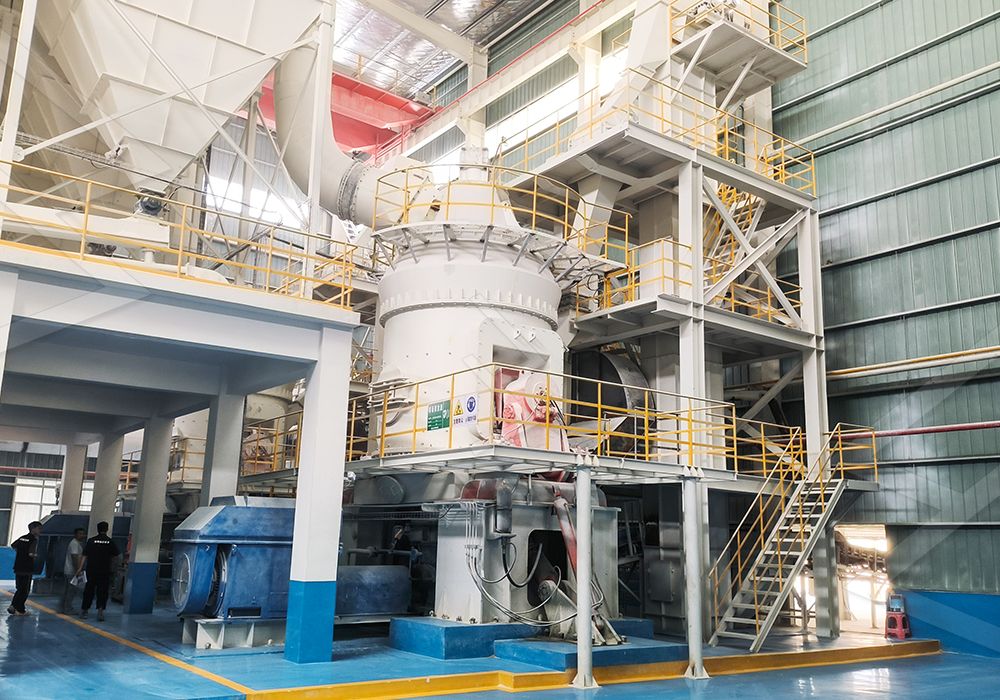
The poultry industry is a cornerstone of global food security, and limestone powder (Calcium Carbonate, ) is its most vital mineral additive. In the poultry sector, limestone is not just a filler; it is the primary source of calcium, essential for skeletal development in broilers and eggshell formation in laying hens. For commercial feed producers, the requirements for limestone powder are dictated by chemical purity, particle size distribution, and solubility.
Liming Heavy Industry provides specialized grinding solutions that allow processors to switch between fine powder and coarse grit, meeting the diverse dietary needs of different avian life stages.

Critical Requirements for Feed-Grade Limestone
1. Chemical Purity and Composition
The quality of poultry feed starts with the chemical profile of the limestone. High-purity calcium carbonate ensures that the birds receive the necessary mineral intake without ingesting harmful heavy metals.
Calcium Content: Feed-grade limestone should ideally contain at least 38% elemental calcium (), which corresponds to approximately 95% .
Magnesium Limitation: Magnesium () levels must be kept low (typically ). High magnesium intake can interfere with calcium absorption and cause diarrhea or "wet droppings" in poultry houses.
Heavy Metals: Strict limits are placed on Lead (), Arsenic (), and Fluorine () to prevent toxicity and ensure food safety for human consumers of eggs and meat.
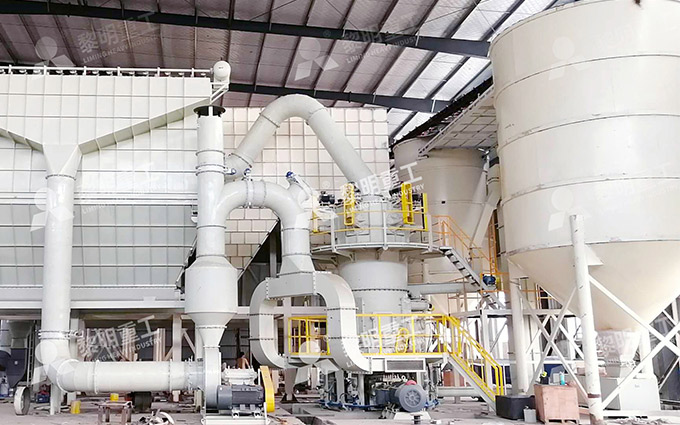
2. The "Particle Size" Paradox: Fine vs. Coarse
One of the most complex requirements in poultry nutrition is the need for varying particle sizes. A single grinding line must often produce two distinct products:
Fine Powder (100–250 Mesh): Used primarily for broilers and young pullets. Fine particles are rapidly absorbed by the digestive system to support fast bone growth.
Coarse Grit (2–5 mm): Specifically required for laying hens. Large particles stay in the gizzard longer, slowly releasing calcium overnight during the peak period of eggshell formation.
Technical Solutions: Raymond Mill and Vertical Roller Mill
Liming Heavy Industry offers two primary machines to meet these rigorous specifications in the poultry feed sector.
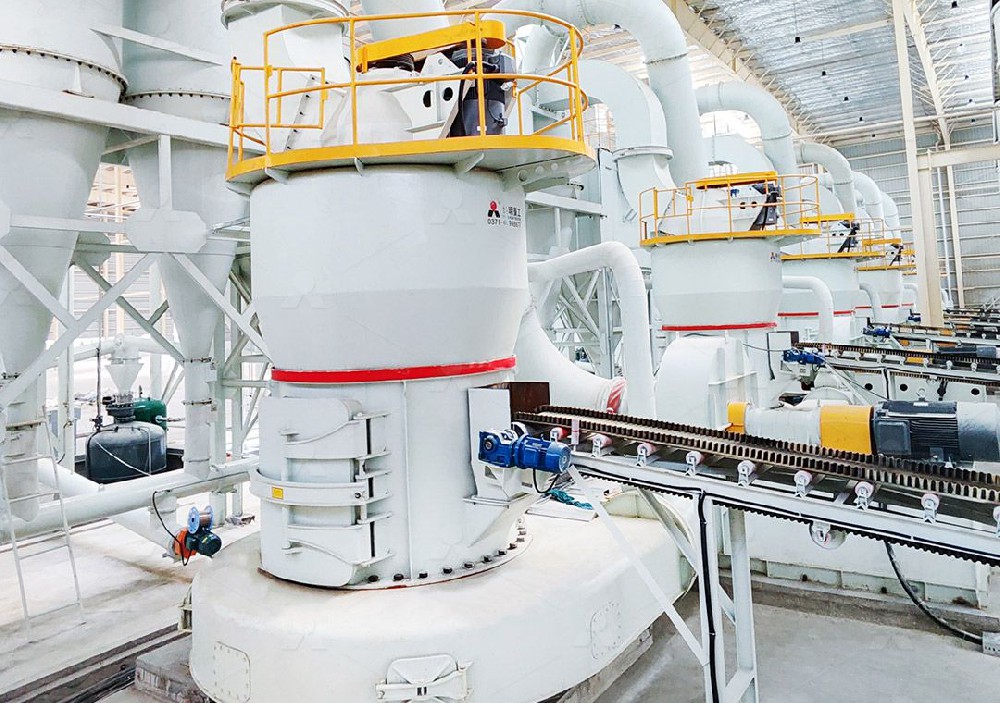
The MTW European Type Raymond Mill
The MTW Mill is the most popular choice for producing standard "fine" limestone powder (80–400 mesh). Its design is optimized for the high-volume, low-margin nature of the feed industry.
Adjustable Fineness: The frequency-controlled classifier allows operators to instantly change the output fineness to meet different feed formulations.
Energy Efficiency: The MTW mill consumes significantly less power than traditional ball mills, reducing the overhead for feed mills in energy-expensive regions like Thailand or India.
The LUM Ultrafine Vertical Roller Mill
For high-end producers who supply premixes or require precise control over "grit" and "powder" ratios, the LUM mill offers industrial-scale precision.
Multi-Product Output: It can be configured to produce ultrafine powder for mineral premixes or adjusted for larger granular outputs.
Low Contamination: The grinding principle minimizes metal wear, ensuring the limestone powder maintains its natural high whiteness and purity.
_1767930326611.jpg)
Limestone Specifications Table for Poultry Feed
The following table summarizes the standard industry requirements that Liming's grinding mills are designed to achieve.
| Parameter | Requirement (Layers) | Requirement (Broilers) | Liming Mill Solution |
|---|---|---|---|
| Calcium () | MTW / LUM Series | ||
| Purity | High-precision Grinding | ||
| Particle Size | Mix of 2-5mm grit & fine powder | Fine powder (0.1 - 1.0mm) | Adjustable Classifiers |
| Magnesium () | Material Selection Guidance | ||
| Moisture | Integrated Drying Systems |
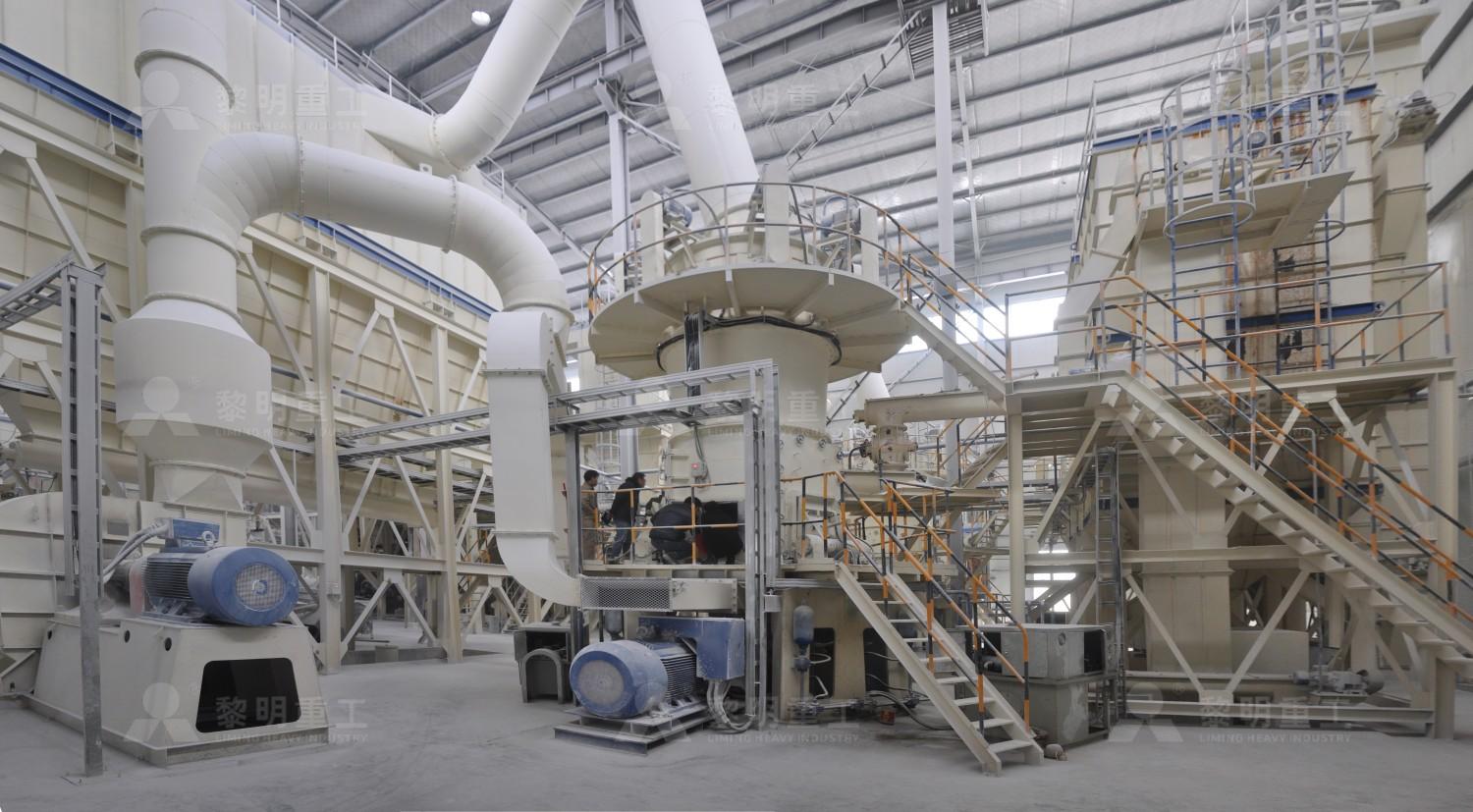
Frequently Asked Questions (FAQ)
1. Why can't I just use very fine limestone powder for all poultry?
Laying hens need a slow-release source of calcium. If the limestone is too fine, it passes through the digestive tract too quickly. Coarse grit (2-5mm) remains in the gizzard to provide a steady supply of calcium during the night when the eggshell is being formed.
2. How does a Raymond Mill control the fineness of the powder?
Liming's MTW Raymond Mill uses an automated cage-type classifier. By adjusting the rotation speed of the classifier via a VFD (Variable Frequency Drive), you can precisely control which particles are allowed to exit as finished product and which are sent back for further grinding.
3. Is the limestone used in poultry feed the same as that used in construction?
Chemically, yes, but the purity requirements are much stricter. Construction-grade limestone might contain high levels of silica or magnesium, which are undesirable for animal health. Liming mills ensure the physical processing maintains the chemical integrity required for feed-grade material.
4. Can one Liming mill produce both fine powder and coarse grit?
While a Raymond mill is optimized for powder, it can be adjusted for coarser outputs. However, if your facility requires high volumes of both 200-mesh powder and 3mm grit, we typically recommend a combined system including a crusher with a screening plant for the grit and a mill for the powder.
_1761355701097.jpg)
5. What is the impact of "solubility" in limestone powder?
Solubility refers to how fast the calcium dissolves in the bird's stomach acid. Proper grinding by Liming mills ensures consistent surface area, which stabilizes the solubility rate, leading to better feed conversion ratios (FCR) and stronger eggshells.
6. How do I prevent dust pollution in my feed production facility?
All Liming grinding systems are equipped with a high-efficiency pulse bag dust collector. This creates a negative-pressure environment inside the mill, ensuring that no limestone dust escapes into the factory air, meeting strict environmental and worker safety standards.
7. Does Liming offer stainless steel options for the chemical-heavy feed industry?
For applications where extreme purity is required or where corrosive cleaning agents are used, we can provide specialized wear-resistant and corrosion-resistant alloy components for the internal grinding areas.
8. How much electricity does it take to produce 1 ton of limestone powder?
On average, the MTW European Type Mill consumes about 15-25% less power per ton than traditional 3R or 4R mills. The exact kilowatt-hours (kWh) per ton depend on the target fineness (e.g., 200 mesh vs. 325 mesh).


