

Industry News
What Are the Main Applications of Limestone Powder in Industry?
2026-01-08 16:02:10
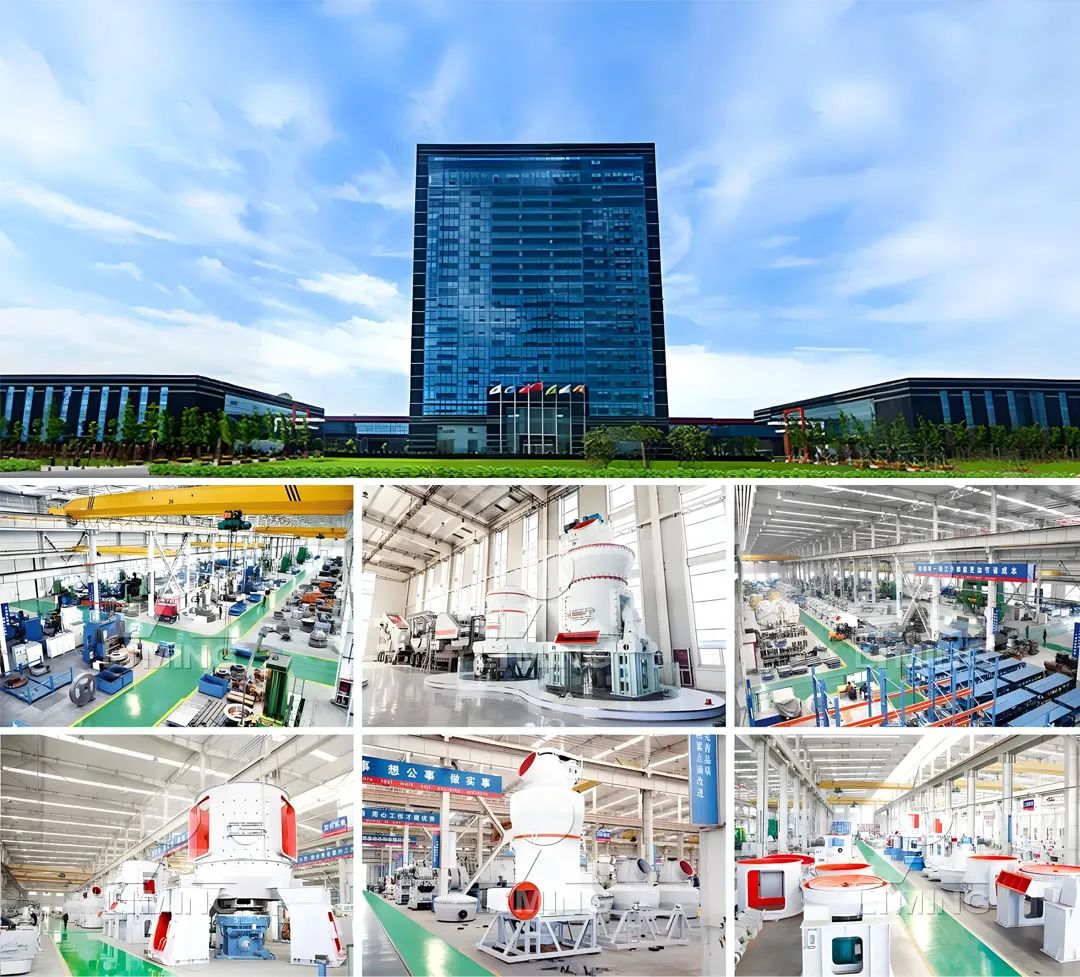
We are Liming Heavy Industry, a manufacturer of various types of industrial crushers, such as Raymond Mill, Trapezoidal Mill, Vertical Mill, Ultrafine Mill, Ball Mill, etc.
Our mills can process the following minerals:
limestone, quicklime, kaolin, talc, barite, bentonite, calcium carbonate, dolomite, coal, gypsum, clay, carbon black, slag, cement raw materials, cement clinker, etc.
If you need a mill to process stone or minerals into powder, please feel free to contact me (WhatsApp: +86 153 3380 7511). Thank you.

Limestone powder is one of the most widely used mineral materials in modern industry. Derived from natural limestone through crushing and grinding, it is valued for its stable chemical composition, high calcium carbonate content, and excellent physical properties. With appropriate processing and controlled fineness, limestone powder becomes a versatile industrial raw material used across construction, manufacturing, environmental protection, agriculture, and chemical industries. The performance of limestone powder in these applications depends heavily on grinding technology and particle size control.
Cement and Construction Materials
The cement industry remains the largest consumer of limestone powder. Limestone provides calcium oxide, the core component in clinker production, and also plays an increasingly important role as a mineral addition. Finely ground limestone powder improves cement workability, optimizes particle packing, and enhances early strength development.
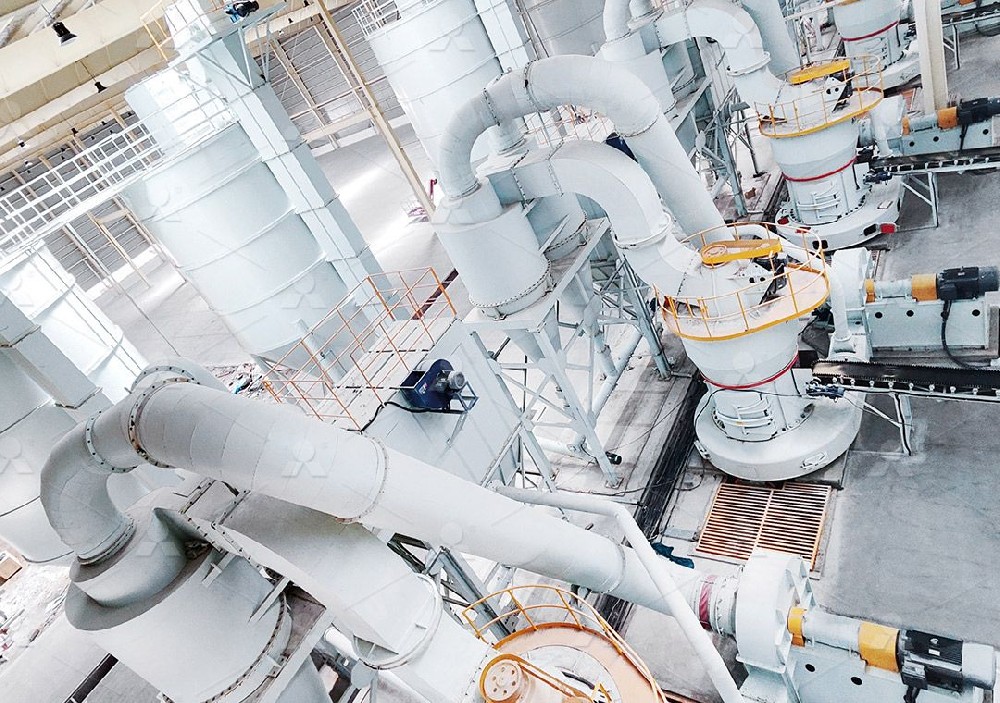
In concrete production, limestone powder is commonly used as a filler to improve consistency, reduce water demand, and achieve smoother surface finishes. It is also applied in dry-mix mortar, wall putty, and plaster products, where uniform fineness and stable quality are essential. Raymond mills are widely used for producing construction-grade limestone powder due to their ability to deliver consistent particle size with low operating costs.
Steelmaking and Metallurgical Industry
In the metallurgical sector, limestone powder is used as a flux in iron and steel production. It helps remove impurities such as silica, sulfur, and phosphorus during smelting, improving metal purity and process efficiency. The chemical stability and controlled particle size of limestone powder contribute to more predictable reactions inside blast furnaces and converters.
_1761296107304.jpg)
Additionally, limestone powder is used in sintering processes and pellet production, where fine particles improve bonding and permeability. For large-scale metallurgical operations, vertical roller mills are preferred due to their high capacity, energy efficiency, and ability to handle continuous production demands.
Environmental Protection and Flue Gas Treatment
Limestone powder plays a critical role in environmental protection, particularly in flue gas desulfurization systems. In coal-fired power plants and industrial boilers, finely ground limestone reacts with sulfur dioxide, reducing harmful emissions before they are released into the atmosphere.
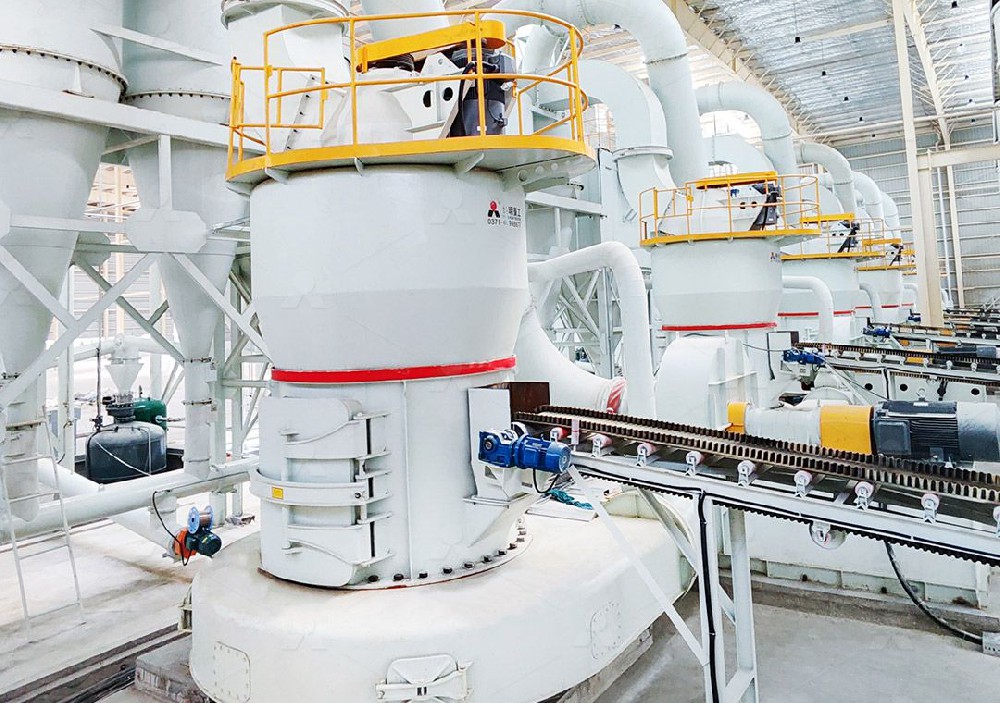
The effectiveness of desulfurization depends largely on the reactivity of limestone powder, which is directly related to its fineness and surface area. Vertical mills and ultrafine grinding mills are commonly used to produce high-activity limestone powder for these applications, ensuring efficient sulfur removal and compliance with environmental regulations.
Chemical and Industrial Manufacturing
In chemical industries, limestone powder is used as a raw material for producing calcium-based compounds such as calcium oxide, calcium hydroxide, and precipitated calcium carbonate. These products are essential in plastics, rubber, adhesives, paints, and coatings.
Ultrafine limestone powder is particularly valued in plastics and rubber for its reinforcing properties, improved dispersion, and ability to enhance product strength and surface quality. Ultrafine grinding mills from Liming Heavy Industry are designed to achieve high fineness with precise classification, making them suitable for high-value industrial applications.
Paper, Paint, and Coatings Industry
Limestone powder is widely used as a filler and pigment extender in paper production. It improves brightness, opacity, and printability while reducing overall production costs. In paints and coatings, limestone powder contributes to better viscosity control, improved coverage, and enhanced durability.
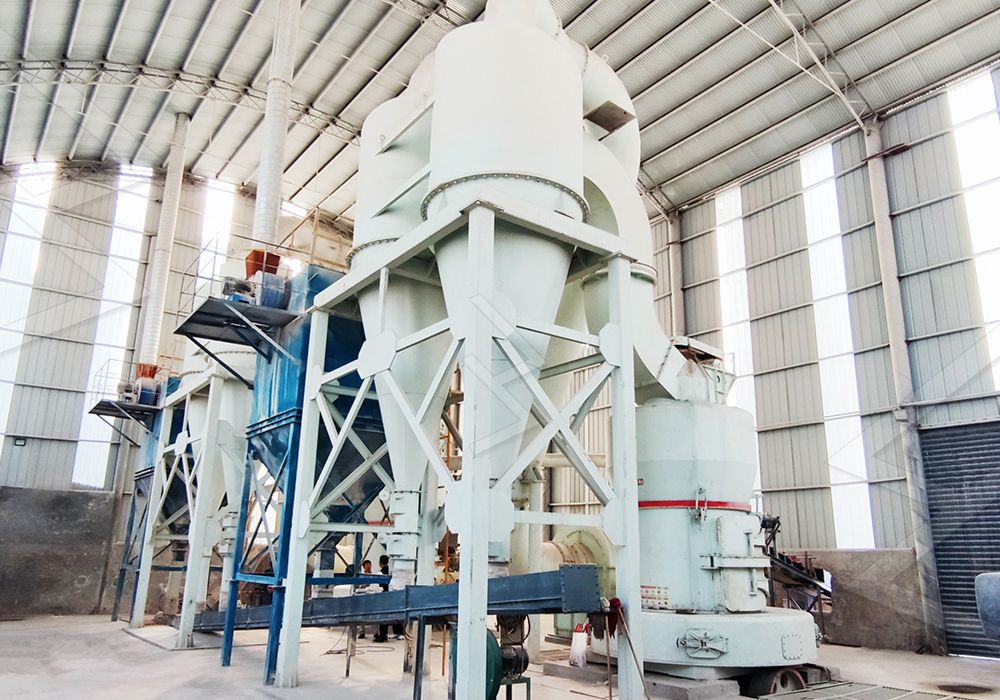
These applications require strict control over particle size distribution and whiteness. Ultrafine grinding technology ensures that limestone powder meets the demanding standards of the paper and coatings industries. Stable operation and reliable classification systems are essential to maintain consistent product quality.
Agriculture and Soil Improvement
In agriculture, limestone powder is commonly used to adjust soil pH and improve soil structure. Acidic soils can reduce crop yields and limit nutrient availability. Finely ground limestone neutralizes soil acidity, enhances microbial activity, and promotes healthier plant growth.
The fineness of agricultural limestone powder affects its reaction speed and effectiveness. Raymond mills are often used to produce agricultural-grade limestone powder due to their simple operation, low maintenance requirements, and suitability for decentralized production.
Glass and Ceramics Production
Limestone powder is an important raw material in glass and ceramics manufacturing. It acts as a stabilizer in glass production, improving durability and chemical resistance. In ceramics, limestone powder contributes to fluxing properties, reducing firing temperatures and improving product strength.
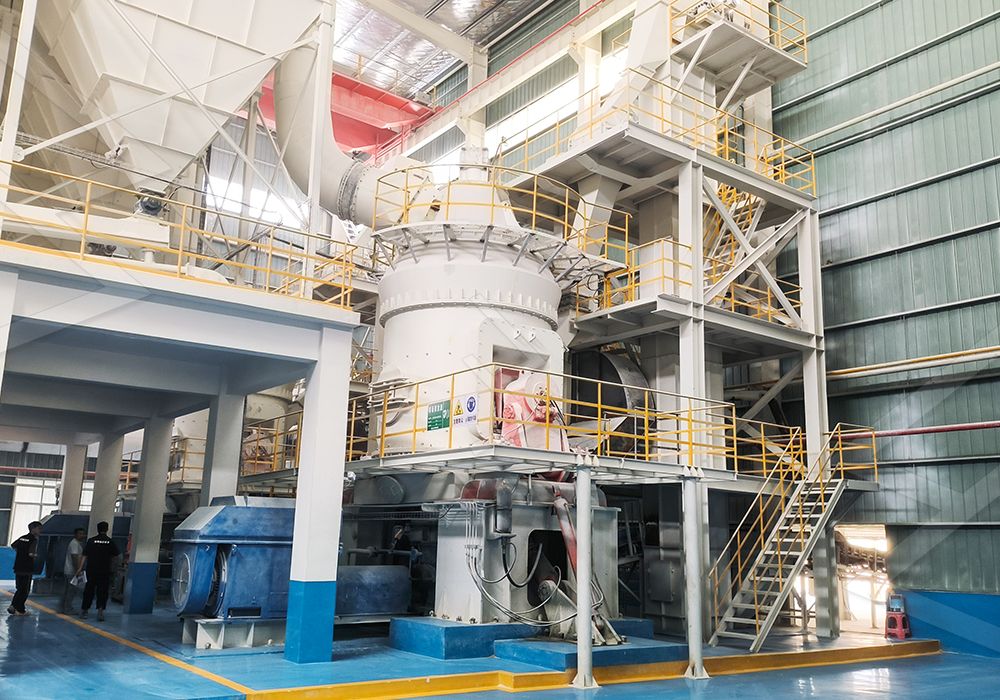
These industries require limestone powder with stable chemical composition and controlled particle size. Vertical roller mills provide the necessary capacity and consistency for large-scale glass and ceramics production lines.
Importance of Grinding Technology
Different industrial applications demand different limestone powder fineness levels, ranging from coarse particles to ultrafine powders. Selecting the right grinding equipment directly affects product quality, energy consumption, and production efficiency.
_1761355927036.jpg)
Raymond mills are ideal for producing medium and fine limestone powder with stable output and low investment cost. Vertical roller mills are suited for large-scale, continuous production with lower energy consumption per ton. Ultrafine grinding mills are essential for high-value applications that require extremely fine particles and precise classification.
Integrated Solutions from Liming Heavy Industry
Liming Heavy Industry has extensive experience in limestone grinding solutions for diverse industrial applications. Its Raymond mills, vertical roller mills, and ultrafine grinding mills are designed to meet different capacity and fineness requirements while ensuring reliable operation and long service life.
By combining advanced grinding technology with practical engineering design, Liming Heavy Industry helps customers maximize limestone resource utilization, reduce operating costs, and achieve consistent product quality. These advantages make its equipment a trusted choice for limestone powder processing worldwide.
_1761355701097.jpg)
FAQs
What is limestone powder mainly used for?
Limestone powder is used in cement, construction materials, metallurgy, environmental protection, chemicals, agriculture, and manufacturing industries.
Why is grinding fineness important for limestone powder?
Finer particles provide higher reactivity, better dispersion, and improved performance in industrial applications.
Which mill is suitable for construction-grade limestone powder?
Raymond mills are commonly used for producing construction-grade limestone powder due to their efficiency and stable output.
What equipment is best for large-scale limestone processing?
Vertical roller mills are ideal for large-scale production because of their high capacity and energy efficiency.
When is ultrafine limestone powder required?
Ultrafine limestone powder is needed in plastics, rubber, paper, paints, and coatings where high surface quality and dispersion are required.
How does limestone powder help environmental protection?
It is used in flue gas desulfurization systems to remove sulfur dioxide emissions from industrial exhaust gases.
What advantages do Liming Heavy Industry mills offer?
They provide reliable performance, flexible fineness control, energy efficiency, and long-term operational stability.


