

Industry News
Limestone and Volcanic Ash Powder for Cement Manufacturing
2026-01-04 13:36:58
We are Liming Heavy Industry, a manufacturer of various types of industrial crushers, such as Raymond Mill, Trapezoidal Mill, Vertical Mill, Ultrafine Mill, Ball Mill, etc.
Our mills can process the following minerals:
limestone, quicklime, kaolin, talc, barite, bentonite, calcium carbonate, dolomite, coal, gypsum, clay, carbon black, slag, cement raw materials, cement clinker, etc.
If you need a mill to process stone or minerals into powder, please feel free to contact me (WhatsApp: +86 153 3380 7511). Thank you.
The modern cement industry relies on carefully selected raw materials and precise grinding processes to achieve consistent quality, performance, and cost efficiency. Among the most important components in cement manufacturing are limestone powder and volcanic ash powder. When processed to the correct fineness and blended in suitable proportions, these materials contribute significantly to cement strength, durability, and sustainability. Advanced grinding equipment plays a decisive role in unlocking their full potential.
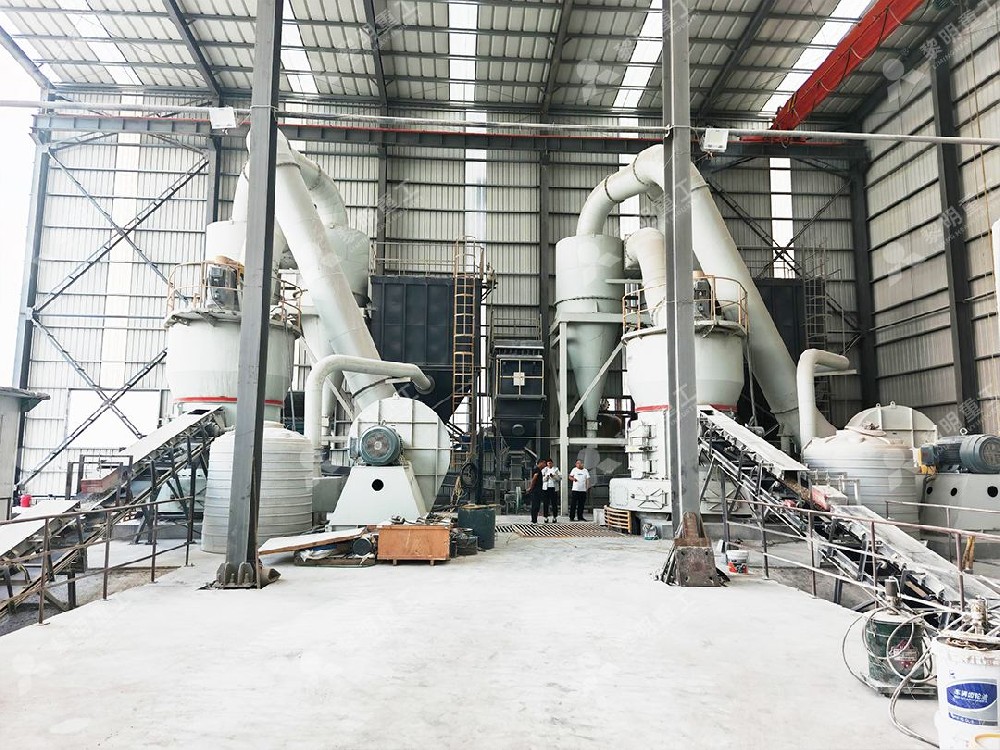
Role of Limestone Powder in Cement Production
Limestone is the primary source of calcium oxide in cement. After calcination, it forms the basis of clinker, which determines the fundamental mechanical properties of cement. Finely ground limestone powder also serves as a mineral addition, improving particle packing, workability, and early strength development.
In recent years, the use of limestone powder has expanded beyond traditional clinker production. By partially replacing clinker, limestone powder helps reduce energy consumption and CO₂ emissions while maintaining acceptable performance standards. To achieve these benefits, limestone must be ground with uniform particle size distribution and controlled fineness, typically ranging from 80 to 400 mesh depending on application requirements.
Volcanic Ash as a Supplementary Cementitious Material
Volcanic ash is a natural pozzolanic material rich in reactive silica and alumina. When finely ground and combined with calcium hydroxide produced during cement hydration, it forms additional cementitious compounds that enhance long-term strength and durability.
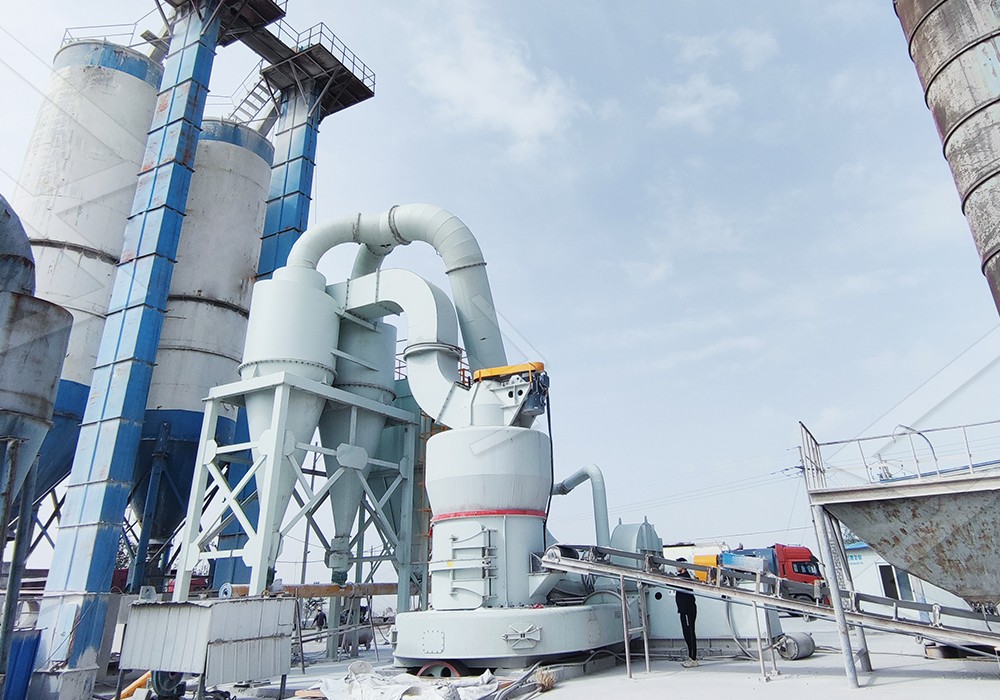
Compared with conventional additives, volcanic ash offers excellent resistance to sulfate attack, reduced permeability, and improved performance in aggressive environments. It is widely used in blended cement, mass concrete, and infrastructure projects where durability is a priority. Proper grinding is essential, as the pozzolanic reaction efficiency depends heavily on surface area and particle fineness.
Grinding Requirements for Limestone and Volcanic Ash
Although limestone and volcanic ash are both used in cement manufacturing, their physical properties differ significantly. Limestone is relatively soft and easy to grind, while volcanic ash can vary in hardness, abrasiveness, and moisture content depending on its origin.
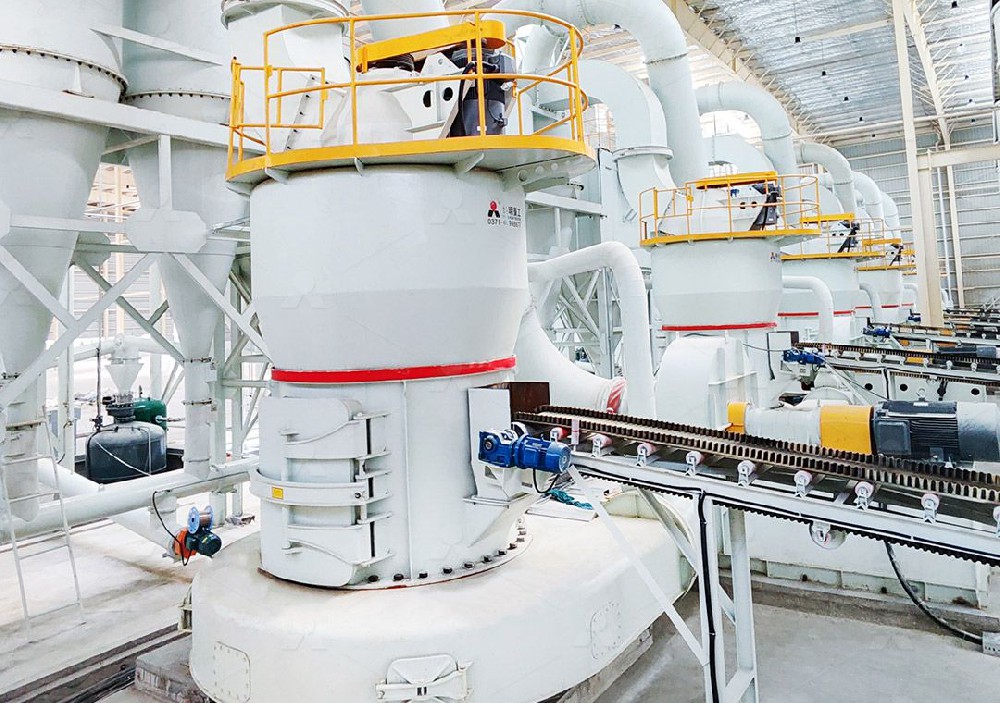
An effective grinding solution must handle both materials with stable output, low energy consumption, and minimal wear. It should also allow flexible adjustment of product fineness to meet different cement formulations. This is where proven milling technologies become critical to long-term operational success.
Raymond Mill for Fine and Medium Powder Processing
The Raymond mill has long been a reliable choice for grinding limestone and other non-metallic minerals. Its mature design, stable operation, and low maintenance requirements make it especially suitable for producing fine limestone powder used in cement blending and fillers.
For limestone applications, the Raymond mill offers precise control over particle size, uniform product quality, and high powder passing rates. Its closed-circuit system effectively reduces dust emissions while maintaining a clean working environment. When processing volcanic ash with moderate hardness, the Raymond mill can also deliver consistent fineness for pozzolanic applications, particularly in small to medium production lines.
_1761355927036.jpg)
Liming Heavy Industry has continuously optimized its Raymond mill series to improve grinding efficiency, reduce vibration, and extend component lifespan. These improvements help cement producers achieve stable production with predictable operating costs.
Vertical Roller Mill for Large-Scale Cement Production
For high-capacity cement plants and integrated production lines, the vertical roller mill has become the preferred solution for grinding both limestone and volcanic ash. This technology integrates grinding, drying, and classification into a single system, significantly reducing footprint and energy consumption.
The vertical mill excels in handling materials with varying moisture levels, making it particularly suitable for volcanic ash. Its grinding rollers and table apply high pressure, producing powders with excellent particle shape and high reactivity. Compared with traditional ball mills, vertical mills typically achieve lower power consumption per ton of product and reduced wear on grinding components.
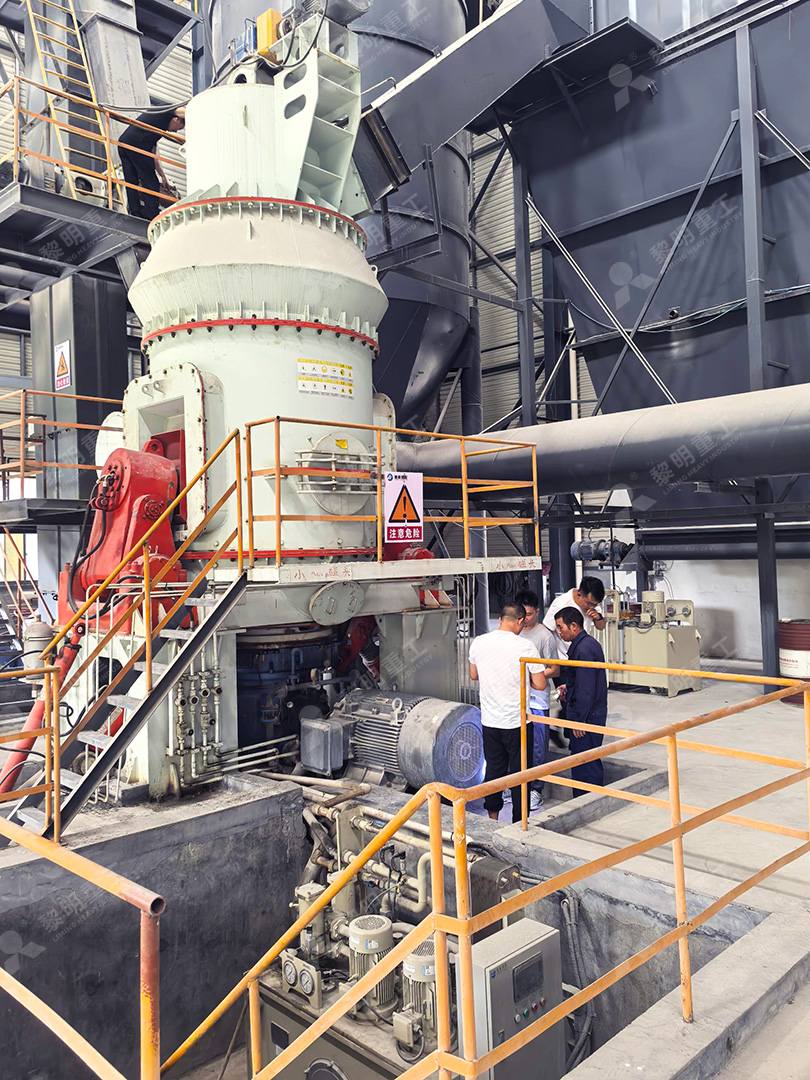
Liming Heavy Industry's vertical roller mills are designed with advanced hydraulic control systems and efficient separators, ensuring stable operation and precise fineness adjustment. These features allow cement manufacturers to adapt quickly to changing raw material sources and product specifications.
_1761355701097.jpg)
Improving Cement Performance Through Optimized Grinding
The quality of limestone and volcanic ash powder directly influences cement performance. Properly ground limestone improves early strength and workability, while finely processed volcanic ash enhances long-term strength and durability. Uniform particle size distribution ensures better blending and more predictable hydration behavior.
By selecting appropriate grinding equipment, cement producers can optimize raw material utilization, reduce clinker content, and meet increasingly strict environmental regulations. Efficient grinding also lowers overall production costs, providing a competitive advantage in both local and international markets.
Reliable Milling Solutions from Liming Heavy Industry
With extensive experience in industrial grinding equipment, Liming Heavy Industry provides comprehensive solutions for limestone and volcanic ash processing in cement manufacturing. Its Raymond mills and vertical roller mills are widely used in cement plants around the world, valued for their reliability, efficiency, and long service life.
From project planning and equipment selection to installation and after-sales support, Liming Heavy Industry works closely with customers to ensure each grinding system meets specific production requirements. This practical approach helps cement producers achieve stable output, consistent quality, and sustainable growth.
FAQs
Why is limestone powder important in cement manufacturing?
Limestone provides calcium oxide for clinker formation and improves cement workability and early strength when used as a finely ground additive.
What benefits does volcanic ash bring to cement?
Volcanic ash enhances long-term strength, durability, and resistance to chemical attack due to its natural pozzolanic properties.
Which mill is better for grinding limestone powder?
For fine and medium powder production, the Raymond mill is a cost-effective and reliable option, especially for limestone.
Can volcanic ash be processed in a Raymond mill?
Yes, volcanic ash with moderate hardness can be ground in a Raymond mill for small to medium-scale cement applications.
Why choose a vertical roller mill for cement plants?
Vertical roller mills offer high capacity, low energy consumption, and integrated drying, making them ideal for large-scale cement production.
How does grinding fineness affect cement performance?
Finer particles increase reactivity, improve strength development, and ensure better blending in cement formulations.
What advantages do Liming Heavy Industry mills offer?
They provide stable operation, energy efficiency, precise fineness control, and long-term reliability for cement raw material grinding.


