

Industry News
Clay Grinding Mill for Brick and Tile Production – Compare High‑Efficiency Options in South Korea
2025-12-31 09:18:59
We are Liming Heavy Industry, a manufacturer of various types of industrial crushers, such as Raymond Mill, Trapezoidal Mill, Vertical Mill, Ultrafine Mill, Ball Mill, etc.
Our mills can process the following minerals:
limestone, quicklime, kaolin, talc, barite, bentonite, calcium carbonate, dolomite, coal, gypsum, clay, carbon black, slag, cement raw materials, cement clinker, etc.
If you need a mill to process stone or minerals into powder, please feel free to contact me (WhatsApp: +86 153 3380 7511). Thank you.
Brick and tile manufacturing is a cornerstone of modern construction, and the quality of raw materials is central to the strength, durability, and finish of the final products. In South Korea, where infrastructure development and architectural standards continue to evolve, the demand for efficient, reliable clay grinding solutions has grown significantly. A critical stage in brick and tile production is grinding clay to a uniform particle size, which enables consistent mixing, extrusion, and firing. As manufacturers seek to optimize production, selecting the right grinding mill can make the difference between meeting market demand and falling behind competitors.
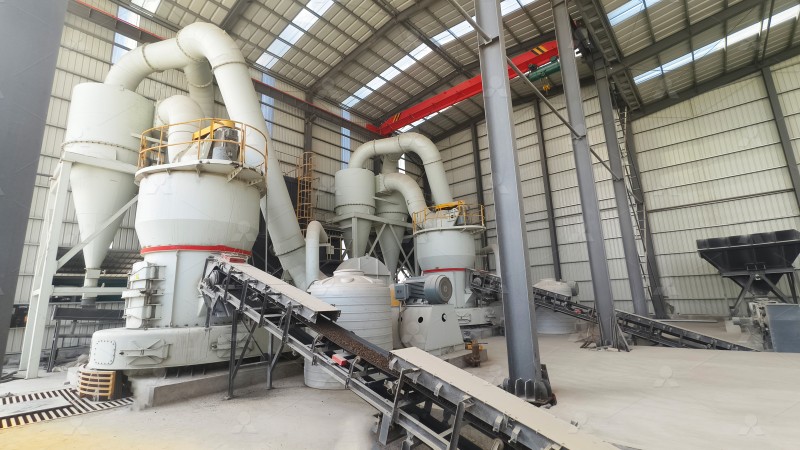
Clay, the principal raw material in brick and tile production, must be finely ground to ensure plasticity and workability. Uneven particle sizes can lead to defects in shaping, uneven drying, and warping during kiln firing. This article explores the high‑efficiency grinding options available in South Korea's brick and tile industry, compares their performance characteristics, and highlights the advantages of using advanced equipment such as Raymond mills and vertical grinding mills from Liming Heavy Industry.
The Role of Grinding in Brick and Tile Manufacturing
The manufacturing process of bricks and tiles begins with the preparation of clay. Raw clay extracted from quarries contains various impurities and a range of particle sizes. Before clay can be shaped into bricks or tiles, it must be crushed and milled to achieve a fine, uniform particle distribution. Grinding serves several purposes: it reduces the size of coarse particles, improves water absorption characteristics, and enhances the homogeneity of the clay body. These properties directly influence the extrusion behavior and the quality of fired products.
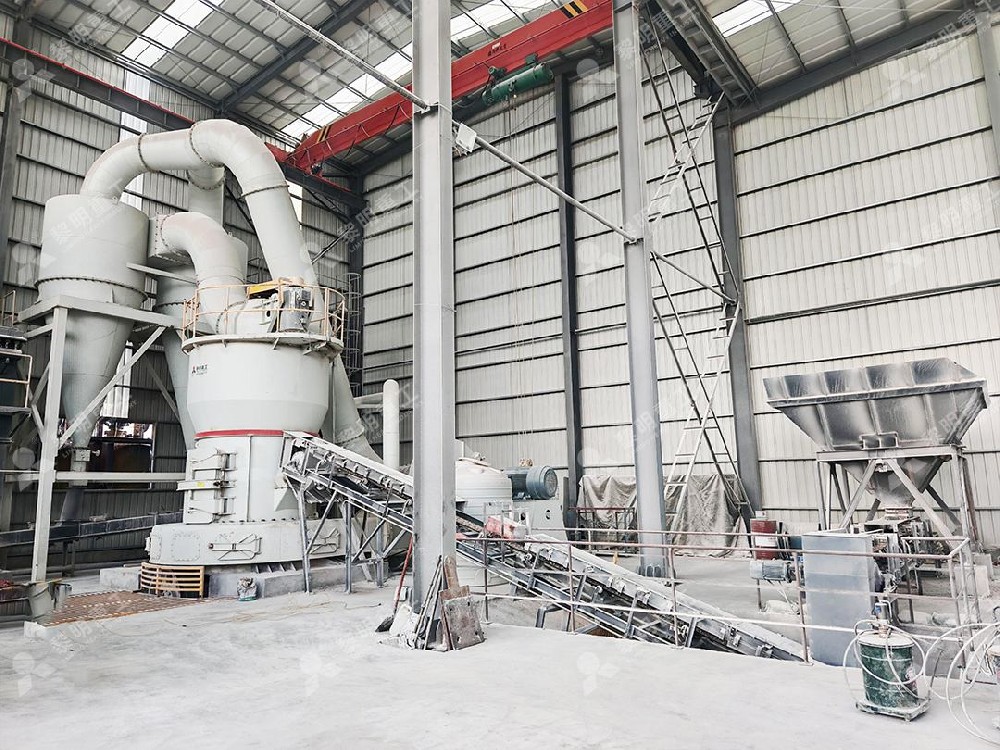
In addition, properly ground clay contributes to energy‑efficient kiln firing. Uniform particles heat more consistently in the kiln, reducing fuel consumption and minimizing thermal stress. For South Korean manufacturers aiming to maintain high quality while controlling costs, investing in efficient clay grinding systems becomes a strategic priority.
Traditional Hammer Mills: An Entry‑Level Solution
One option for clay grinding is the traditional hammer mill. These mills use high‑speed rotating hammers to impact and break down raw clay. While hammer mills are relatively inexpensive and straightforward to maintain, they have limitations. The particle size distribution produced by hammer mills is often broad, leading to inconsistent clay behavior. Furthermore, hammer mills can generate significant amounts of dust and noise, creating environmental and workplace concerns.
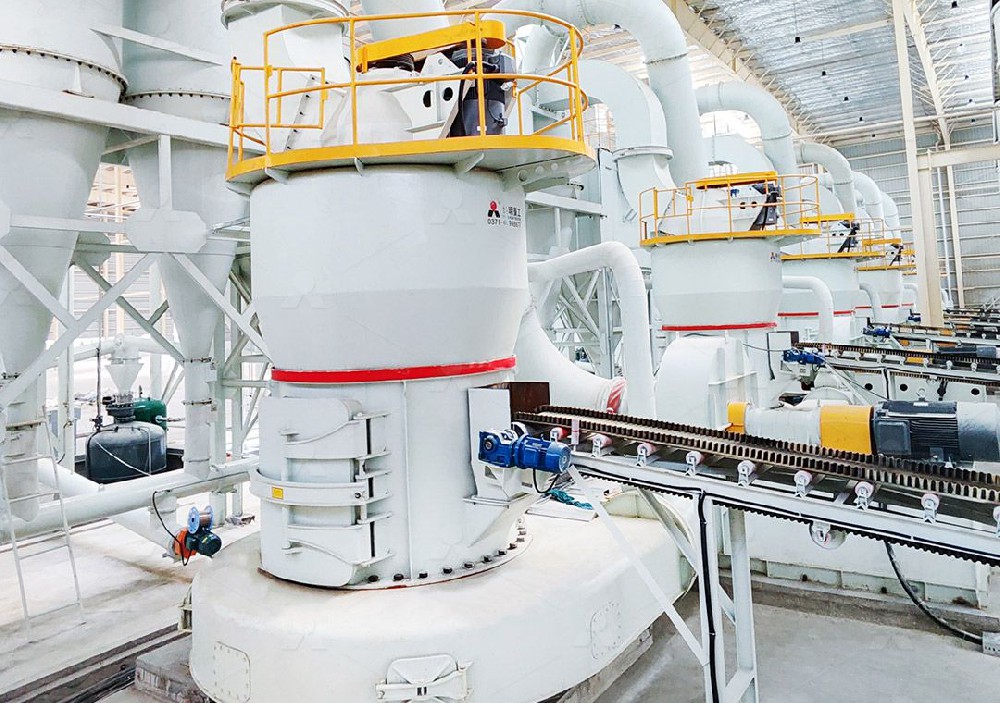
For small‑scale operations or preliminary crushing stages, hammer mills may be suitable. However, for manufacturers seeking higher efficiency, finer particle control, and better environmental performance, more advanced grinding solutions are necessary.
Raymond Mill: Precision Grinding for Consistent Clay Quality
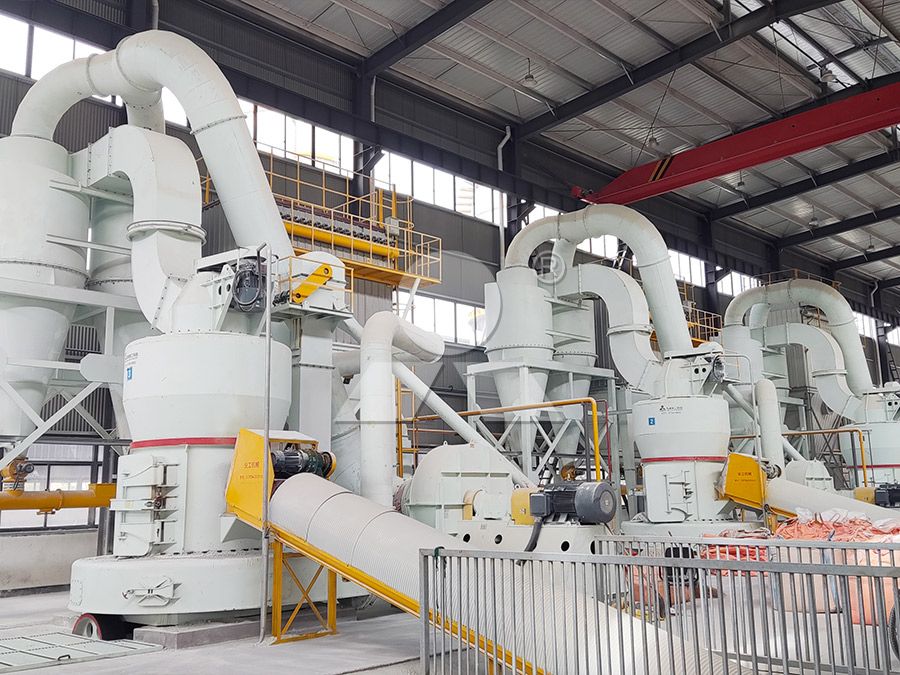
The Raymond mill represents a significant improvement over traditional grinding equipment. This mill employs a grinding roller system that applies uniform pressure to clay materials as they pass through a grinding ring. The result is a finely ground product with a much narrower particle size distribution compared to hammer mills. For brick and tile applications, this level of precision helps ensure that clay bodies behave predictably during extrusion and firing.
Raymond mills are known for their stable performance, low operational costs, and ease of maintenance. In the context of South Korean brick and tile production, these mills offer consistent fineness adjustment and reliable output. The design allows operators to control the final particle size by adjusting the classifier speed and internal geometry, which is particularly useful when processing clay with varying mineral compositions.
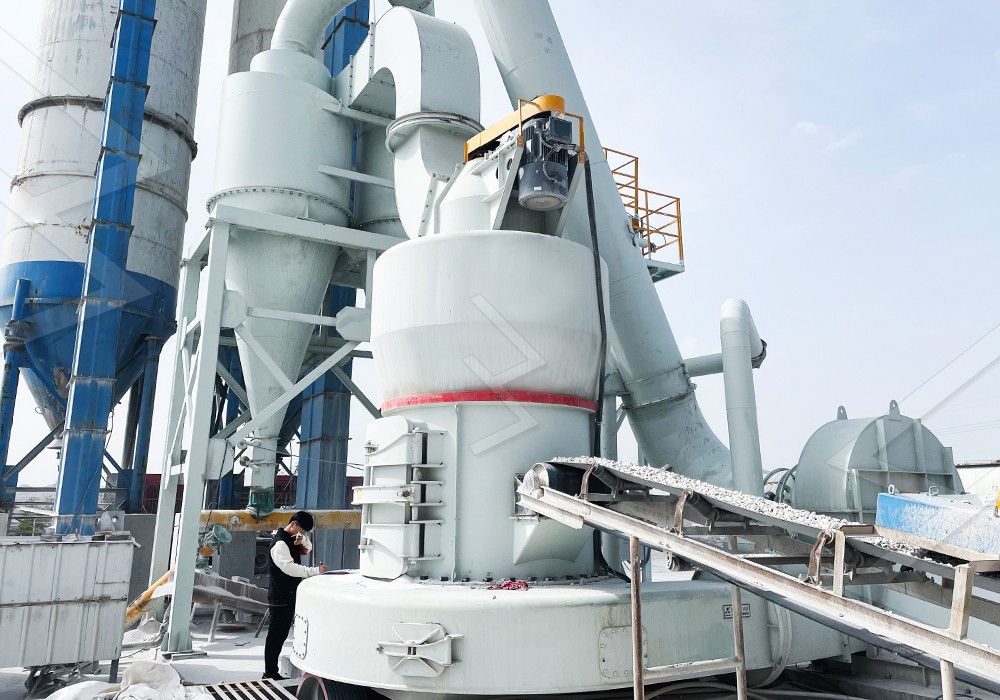
Liming Heavy Industry's Raymond mills have gained a strong reputation for durability and efficiency. These machines incorporate optimized airflow systems that improve material circulation and reduce energy consumption. In addition, the wear‑resistant components extend service life, making Raymond mills a cost‑effective choice for medium to large clay grinding operations.
Vertical Grinding Mill: High Capacity and Integrated Processing
For brick and tile manufacturers with large production volumes, the vertical grinding mill stands out as a powerful alternative. Vertical mills integrate grinding, drying, and classification into one compact unit. The result is a highly efficient process that minimizes material handling and energy loss. Clay with high moisture content, commonly encountered in South Korea's regional clay deposits, can be dried and ground in a single pass, reducing the need for separate drying equipment.
The key advantage of vertical mills lies in their ability to maintain tight product fineness control. An internal classifier separates fine particles from coarse ones, returning oversized clay to the grinding zone. This closed‑loop system ensures a uniform particle size distribution, which is essential for consistent brick and tile performance. In addition, the vertical configuration allows for better airflow management, reducing energy consumption compared to horizontal mills.
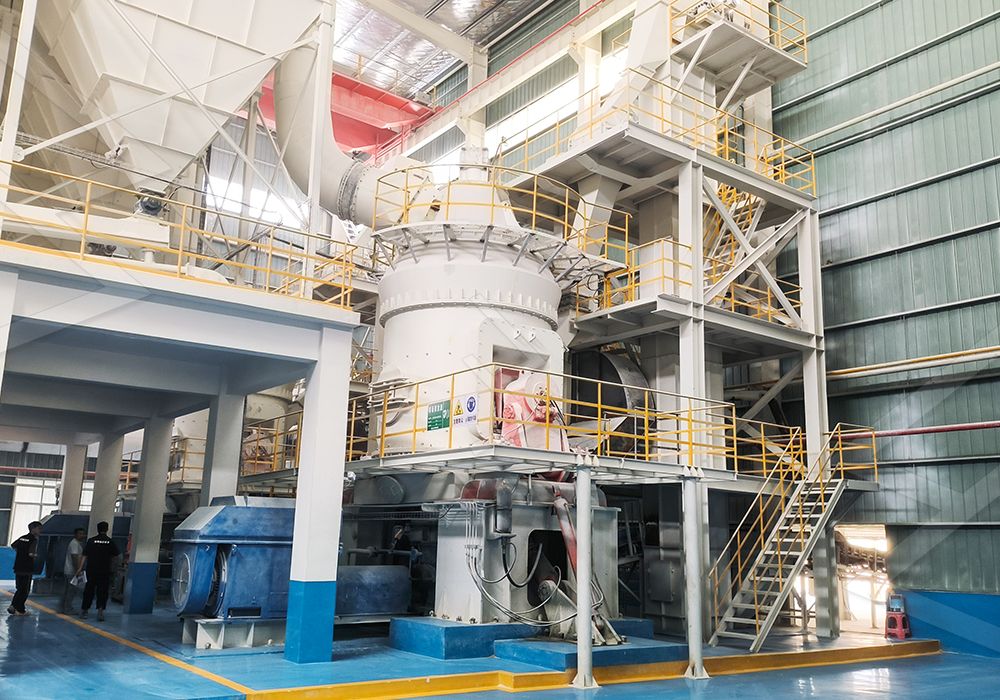
Liming Heavy Industry's vertical grinding mills offer advanced automation and robust construction, making them suitable for continuous, high‑volume production environments. Their adaptability to different clay types and moisture levels enhances operational flexibility, an important consideration for manufacturers serving diverse markets. These mills also operate with reduced noise and dust emissions, aligning with environmental standards and workplace safety regulations in South Korea.
Comparative Analysis: Raymond Mill vs. Vertical Grinding Mill
Choosing between a Raymond mill and a vertical grinding mill depends on several factors, including production scale, clay characteristics, and quality requirements. Raymond mills are often favored in operations where moderate capacity and precise fineness control are priorities. They perform well when the raw clay has relatively consistent properties and when energy efficiency is critical.
Vertical grinding mills, on the other hand, excel in high‑capacity applications where integrated drying and grinding are advantageous. Their internal classification system produces a very uniform product, which benefits continuous extrusion lines and sophisticated tile designs that demand tight tolerances. While vertical mills typically require a higher initial investment, their lower operating costs and improved energy efficiency can deliver superior long‑term value.
_1761361296291.jpg)
Both solutions, when correctly matched to production needs, offer substantial performance improvements over traditional grinding methods. Liming Heavy Industry's portfolio includes reliable models of both Raymond mills and vertical grinding mills tailored to clay processing. With local service support and engineering expertise, manufacturers in South Korea can implement these systems with confidence.
Operational Considerations for South Korean Manufacturers
In addition to choosing the right mill type, South Korean manufacturers must consider plant layout, energy supply, and environmental compliance. Clay grinding plants require adequate dust collection systems, proper ventilation, and safe material handling practices. When installing a Raymond or vertical mill, it is important to design auxiliary systems that enhance overall productivity and ensure regulatory compliance.
_1761355927036.jpg)
Another consideration is maintenance. Regular inspection of wear parts, such as grinding rollers and liners, helps maintain performance and prevent unplanned downtime. Liming Heavy Industry provides comprehensive support, including spare parts and maintenance guidance, which helps minimize interruptions and extend equipment life.
Conclusion
Efficient clay grinding is a fundamental element of high‑quality brick and tile production. In South Korea's competitive manufacturing landscape, adopting advanced grinding technology can improve product consistency, reduce energy costs, and support sustainable growth. Raymond mills and vertical grinding mills from Liming Heavy Industry represent two high‑performance options that meet different production needs.
Raymond mills offer precision grinding and economic operation for medium‑scale production, while vertical grinding mills deliver high capacity and integrated processing for larger facilities. By selecting the appropriate solution and optimizing plant operations, manufacturers can achieve superior clay quality and strengthen their market position.
FAQ
What is the main advantage of a Raymond mill for clay grinding?
A Raymond mill produces a uniform particle size distribution with low operational cost and precise fineness control, improving clay behavior in brick and tile production.
Why consider a vertical grinding mill for large brick production?
Vertical grinding mills integrate drying, grinding, and classification, offering high capacity and consistent particle uniformity for continuous production.
How does particle size affect brick and tile quality?
Consistent particle size ensures uniform extrusion, reduces defects during firing, and improves the mechanical properties of finished products.
Can clay with high moisture content be processed efficiently?
Yes, vertical grinding mills can handle clay with higher moisture levels by combining drying and grinding in one system.
What support services are available for grinding mill installations?
Manufacturers like Liming Heavy Industry offer local support, spare parts, and maintenance guidance to ensure smooth operation and long equipment life.


