

Industry News
The Importance of Particle Uniformity in Powder Coating Materials
2025-12-30 08:44:30
We are Liming Heavy Industry, a manufacturer of various types of industrial crushers, such as Raymond Mill, Trapezoidal Mill, Vertical Mill, Ultrafine Mill, Ball Mill, etc.
Our mills can process the following minerals:
limestone, quicklime, kaolin, talc, barite, bentonite, calcium carbonate, dolomite, coal, gypsum, clay, carbon black, slag, cement raw materials, cement clinker, etc.
If you need a mill to process stone or minerals into powder, please feel free to contact me (WhatsApp: +86 153 3380 7511). Thank you.
Powder coating has become one of the most widely used surface finishing technologies in modern manufacturing. From architectural aluminum profiles and household appliances to automotive components and industrial equipment, powder coatings are valued for their durability, environmental friendliness, and excellent visual performance. Behind these advantages lies a critical technical factor that is often underestimated: particle uniformity.
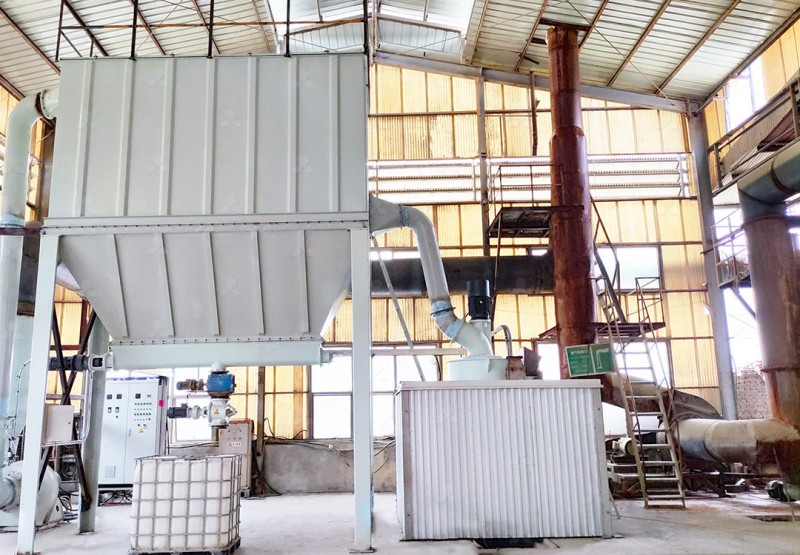
Particle uniformity directly affects the flow behavior, electrostatic charging efficiency, film thickness control, and final surface quality of powder coatings. Achieving consistent particle size distribution is not only a matter of formulation, but also a result of advanced grinding and classification technology. In this context, selecting reliable milling equipment plays a decisive role in the overall performance of powder coating materials.
Understanding Particle Uniformity in Powder Coatings
Particle uniformity refers to the consistency of particle size and shape within a batch of powder coating material. Ideally, particles should fall within a narrow size range, typically between 20 and 100 microns, depending on application requirements. Excessively coarse particles can lead to poor surface leveling, while overly fine particles may cause issues such as powder agglomeration, poor fluidization, and uneven electrostatic deposition.
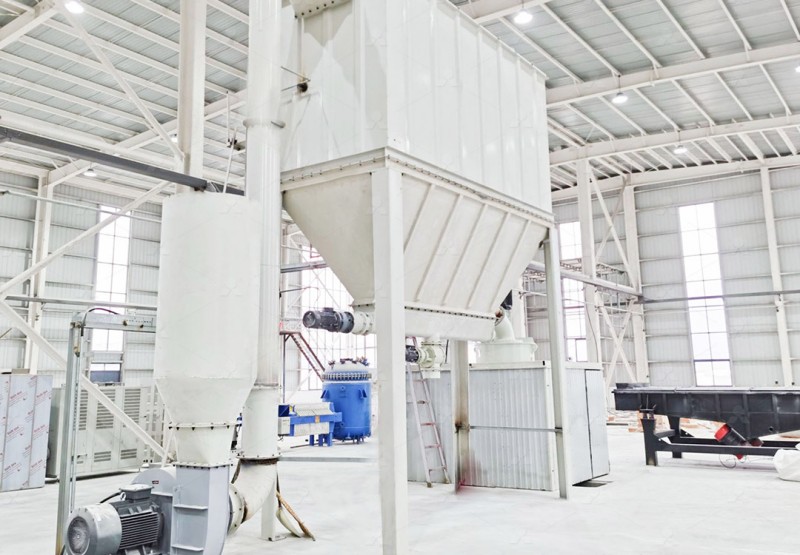
Uniform particles ensure predictable behavior during storage, transportation, spraying, and curing. This consistency is essential for manufacturers seeking stable quality across large-scale production runs.
Impact on Electrostatic Spraying Efficiency
Electrostatic spraying is the core application method for powder coatings. During spraying, particles are electrically charged and attracted to grounded workpieces. When particle size distribution is uneven, charging efficiency varies significantly from one particle to another. Larger particles tend to carry less charge relative to their mass, while extremely fine particles may overcharge and repel each other.
Uniform particle size allows for balanced electrostatic forces, resulting in higher transfer efficiency, reduced overspray, and improved material utilization. This directly translates into lower production costs and cleaner working environments.
Influence on Coating Thickness and Surface Quality
Consistent particle size is essential for achieving uniform coating thickness. When particles are evenly sized, they melt and flow simultaneously during the curing process, forming a smooth, continuous film. In contrast, non-uniform particles melt at different rates, leading to defects such as orange peel texture, pinholes, craters, or uneven gloss.
In applications where appearance is critical, such as decorative metal panels or consumer products, particle uniformity becomes a key quality indicator. Even in purely functional coatings, inconsistent film thickness can compromise corrosion resistance and mechanical durability.
Role of Grinding Technology in Particle Control
The grinding stage is fundamental in determining the final particle size distribution of powder coating materials. Raw materials such as resins, pigments, fillers, and additives must be ground to precise fineness before blending and extrusion. Inefficient grinding leads to wide particle size distribution, excessive energy consumption, and unstable product quality.
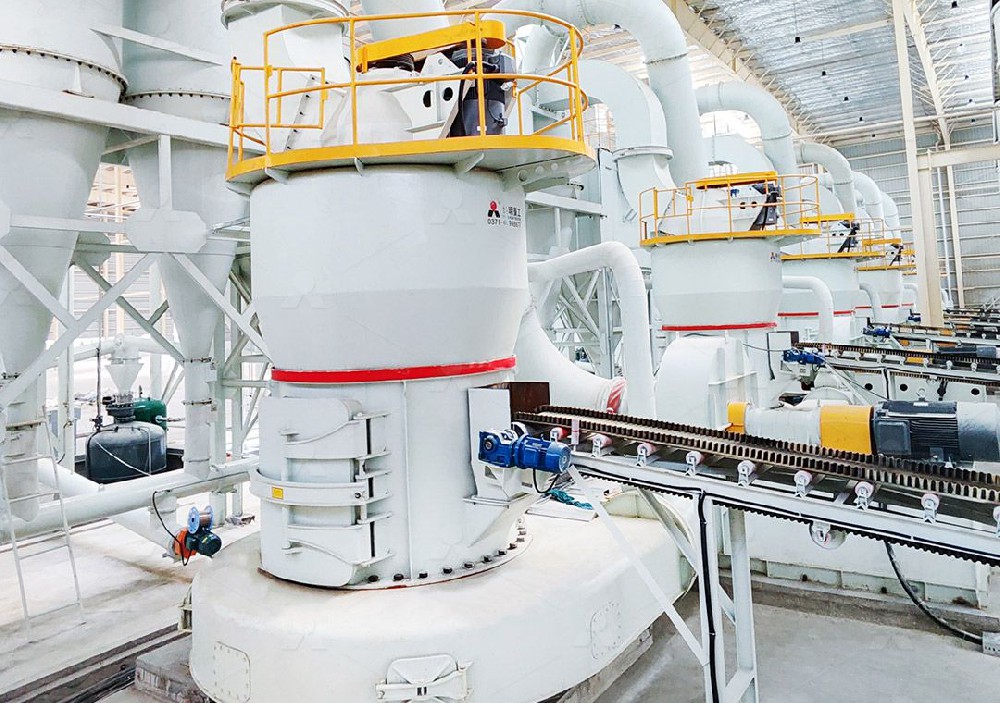
Advanced grinding systems are designed to deliver stable output, controllable fineness, and high production efficiency. Among these, Raymond mills and vertical grinding mills have proven to be highly effective solutions for powder coating material processing.
Advantages of Raymond Mills in Powder Coating Applications
Raymond mills are widely recognized for their ability to produce fine powders with stable particle size distribution. Their mature design, reliable operation, and flexible adjustment make them suitable for grinding resin-based materials and mineral fillers commonly used in powder coatings.
Key advantages include uniform grinding force, precise fineness control, and low vibration during operation. These characteristics help minimize excessive fines and oversized particles, ensuring a narrow particle size range. Additionally, Raymond mills offer relatively low energy consumption and easy maintenance, making them a cost-effective choice for medium-scale powder coating production lines.
Benefits of Vertical Grinding Mills for Large-Scale Production
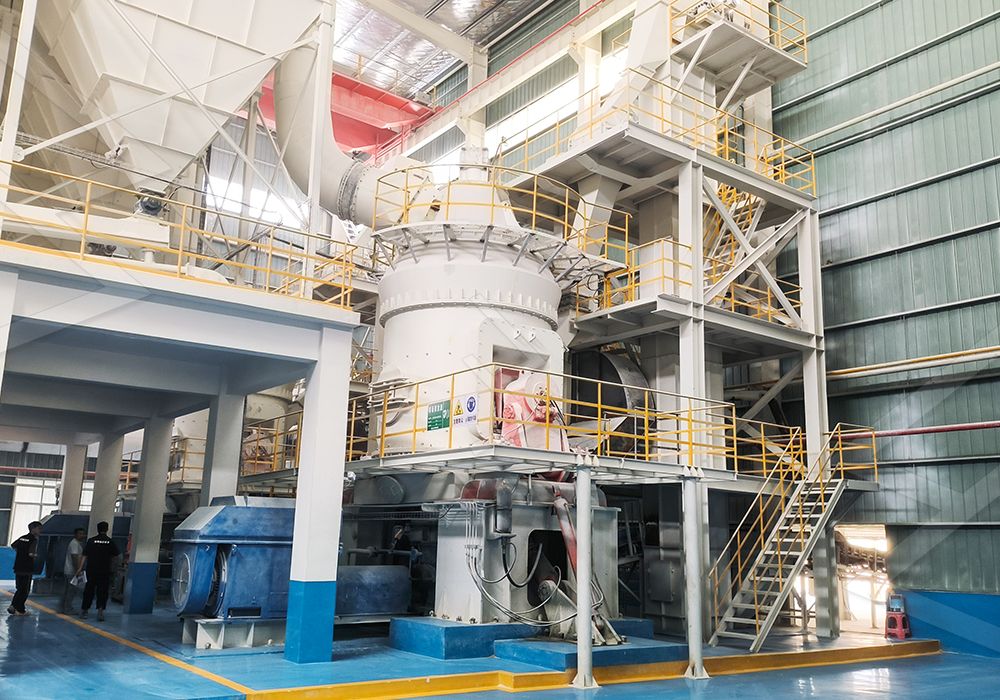
For manufacturers with higher capacity requirements, vertical grinding mills provide significant technical advantages. Vertical mills integrate grinding, drying, and classification into a single system, enabling efficient processing of large material volumes while maintaining excellent particle uniformity.
The advanced classification system in vertical mills ensures precise separation of qualified particles from coarse material, which is returned for further grinding. This closed-loop process significantly improves particle consistency and reduces energy waste. The compact layout and automated control systems also contribute to stable long-term operation and reduced labor costs.
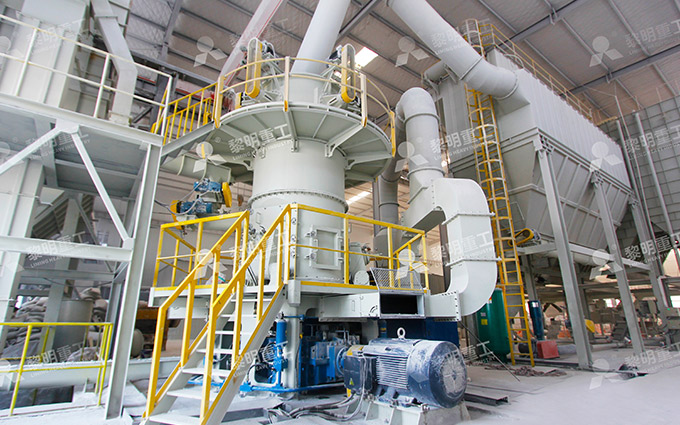
Liming Heavy Industry's Solutions for Particle Uniformity
Liming Heavy Industry has accumulated extensive experience in grinding technology across multiple industrial sectors. Its Raymond mills and vertical grinding mills are designed with a strong focus on particle size control, operational stability, and energy efficiency.
In powder coating material applications, Liming's equipment supports precise fineness adjustment to meet different formulation requirements. Optimized internal structures ensure uniform grinding pressure, while efficient classifiers help maintain narrow particle size distribution. These features enable manufacturers to produce powder coatings with consistent quality, improved spraying performance, and reliable surface finishes.
Economic and Environmental Benefits of Uniform Particles
Beyond technical performance, particle uniformity also delivers tangible economic and environmental benefits. Improved transfer efficiency reduces raw material waste and lowers production costs. Stable coating quality minimizes rework and rejects, enhancing overall manufacturing efficiency.
_1761361296291.jpg)
From an environmental perspective, uniform powder coatings generate less overspray and dust, contributing to cleaner production environments and reduced emissions. This aligns well with modern sustainability goals and increasingly strict environmental regulations.
Conclusion
Particle uniformity is a fundamental factor that determines the performance, appearance, and reliability of powder coating materials. From electrostatic spraying efficiency to final surface quality, consistent particle size distribution influences every stage of the coating process.
By adopting advanced grinding solutions such as Raymond mills and vertical grinding mills from Liming Heavy Industry, manufacturers can achieve precise particle control, stable production, and long-term operational efficiency. In an increasingly competitive market, investing in reliable grinding technology is not only a technical decision, but a strategic one that supports quality, sustainability, and growth.
_1761355701097.jpg)
FAQ
Why is particle uniformity critical in powder coating materials?
Uniform particles ensure stable electrostatic charging, consistent coating thickness, smooth surface appearance, and efficient material utilization.
What problems can occur if particle size distribution is too wide?
Wide distribution may cause poor flowability, uneven spraying, surface defects, higher material waste, and unstable coating quality.
How does grinding equipment affect particle uniformity?
Grinding equipment determines how evenly raw materials are reduced in size and how effectively oversized particles are reprocessed, directly influencing final particle consistency.
Are Raymond mills suitable for powder coating materials?
Yes, Raymond mills are well suited for producing fine, uniform powders used in powder coating formulations, especially for resins and mineral fillers.
When should a vertical grinding mill be considered?
Vertical grinding mills are ideal for large-scale production where high capacity, energy efficiency, and precise particle classification are required.
How does Liming Heavy Industry support quality control in powder coatings?
Liming's grinding solutions offer precise fineness adjustment, stable operation, and advanced classification systems to ensure consistent particle uniformity.


