

Industry News
Cement Clinker Grinding Mill Review for High-Quality Cement Production in Vietnam
2025-12-26 09:36:19
We are Liming Heavy Industry, a manufacturer of various types of industrial crushers, such as Raymond Mill, Trapezoidal Mill, Vertical Mill, Ultrafine Mill, Ball Mill, etc.
Our mills can process the following minerals:
limestone, quicklime, kaolin, talc, barite, bentonite, calcium carbonate, dolomite, coal, gypsum, clay, carbon black, slag, cement raw materials, cement clinker, etc.
If you need a mill to process stone or minerals into powder, please feel free to contact me (WhatsApp: +86 153 3380 7511). Thank you.
Cement production in Vietnam has experienced steady growth over the past decade, driven by rapid urbanization, infrastructure investment, and industrial expansion. At the heart of this industry lies clinker grinding, a critical process that directly determines cement strength, setting time, and long-term durability. Choosing the right clinker grinding mill is therefore essential for cement producers aiming to maintain product quality while controlling operating costs. Among the available technologies, vertical grinding mills have become a preferred solution for modern cement plants across Vietnam.

The Importance of Efficient Clinker Grinding
Cement clinker is a hard, nodular material that requires high-pressure grinding to achieve the desired fineness. In Vietnam’s competitive cement market, manufacturers must produce cement with consistent particle size distribution to meet national standards and customer expectations. Inefficient grinding leads to uneven quality, higher power consumption, and increased maintenance costs, all of which can reduce profitability.
An effective clinker grinding system must ensure:
Stable cement fineness and uniform particle distribution
Low specific energy consumption per ton of cement
High system availability and operational reliability
Adaptability to different cement formulations
Why Vertical Grinding Mills Are Widely Adopted
Vertical grinding mills, also known as vertical roller mills, integrate grinding, drying, and classification into a single compact system. This design has proven particularly suitable for clinker grinding in regions where energy efficiency and environmental compliance are key considerations.
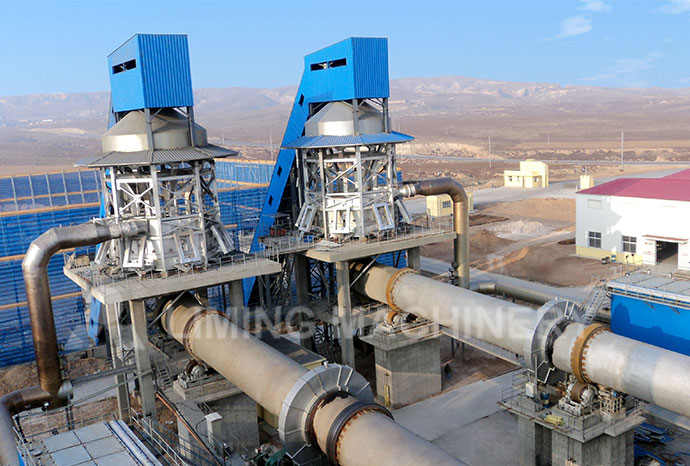
Compared with traditional grinding systems, vertical mills offer several structural and operational advantages. The material is ground under high pressure between rollers and a rotating grinding table, resulting in efficient size reduction and lower wear rates. The built-in classifier ensures precise control over final cement fineness, allowing producers to fine-tune product performance.
Vertical Mill Performance in Vietnam’s Cement Industry
Vietnam’s cement plants often operate under challenging conditions, including fluctuating raw material quality, high ambient temperatures, and strict environmental regulations. Vertical grinding mills are well-suited to these conditions due to their robust design and flexible operation.
Energy Efficiency and Cost Control
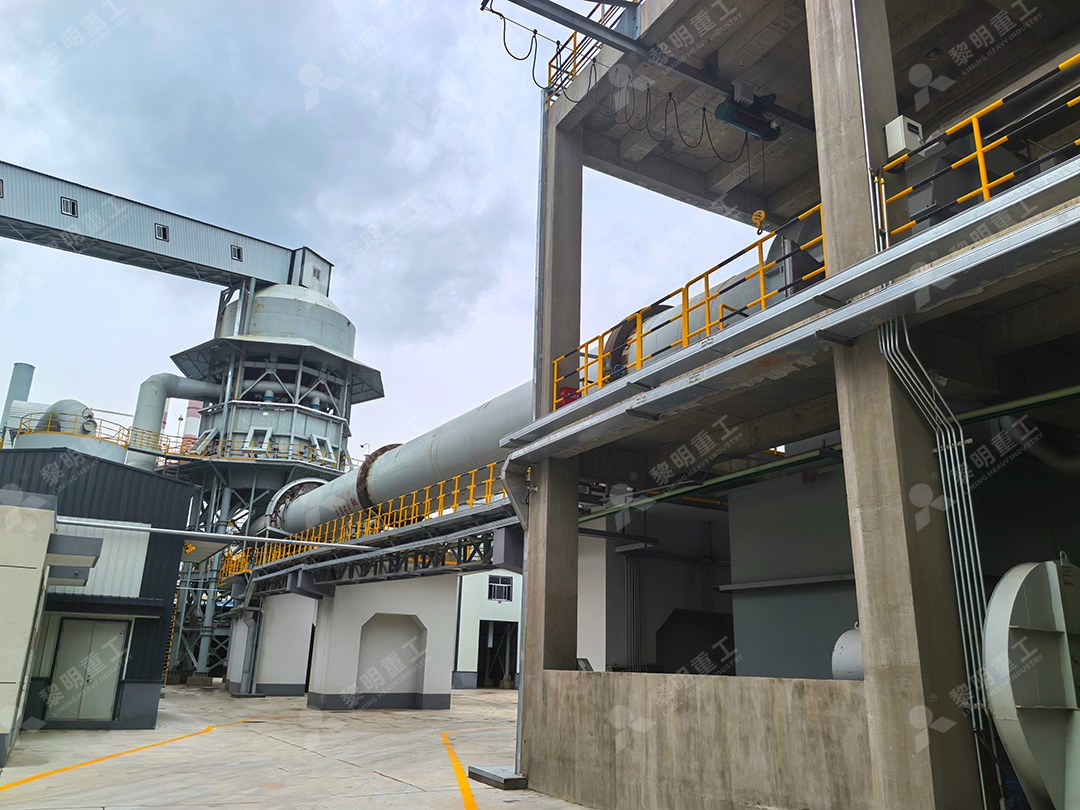
Energy cost represents a significant portion of cement production expenses. Vertical mills consume less power per ton of clinker ground compared to conventional systems, especially at medium to large production scales. This reduction in energy consumption translates directly into lower operating costs and improved competitiveness in both domestic and export markets.
Consistent Cement Quality
High-quality cement requires precise control of fineness and particle distribution. Vertical mills provide stable grinding conditions, ensuring uniform cement properties from batch to batch. This consistency is essential for meeting construction standards and maintaining customer trust.
Environmental Compliance
Modern cement plants in Vietnam must comply with increasingly strict emission standards. Vertical grinding mills are designed with efficient dust collection systems and enclosed material handling, minimizing particulate emissions. Lower energy consumption also reduces the overall carbon footprint of cement production.
Liming Heavy Industry Vertical Mill Solution
Liming Heavy Industry has extensive experience in the design and manufacture of vertical grinding mills for cement clinker processing. Its vertical mill solutions are engineered to meet the demands of high-capacity cement plants while maintaining long-term reliability.

Advanced Grinding Technology
Liming’s vertical mills utilize optimized roller profiles and grinding tables to maximize contact efficiency between clinker and grinding surfaces. This design enhances grinding performance while reducing wear on key components. The result is stable operation and extended service intervals.
Flexible Production Capability
The vertical mill can be adjusted to produce different cement types, including ordinary Portland cement and blended cement. By modifying operating parameters and additives, producers can respond quickly to market demand without major equipment changes.
Ease of Maintenance and Operation
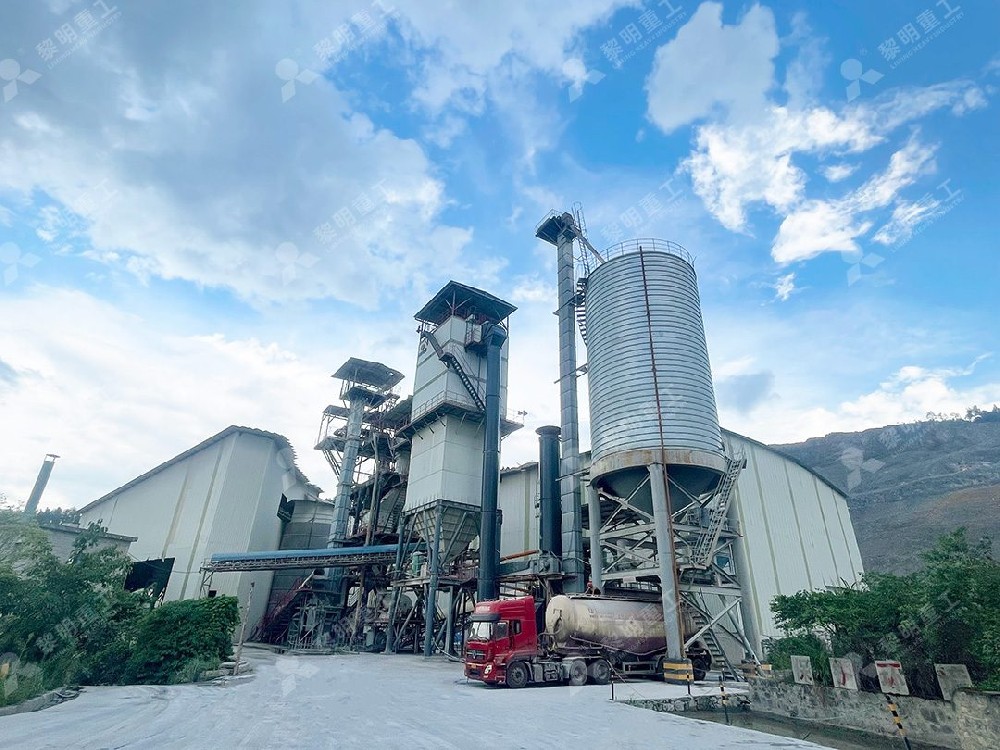
Maintenance accessibility is a critical factor for cement plants aiming to minimize downtime. Liming’s vertical mills are designed for convenient inspection and replacement of wear parts. Automated control systems simplify operation, allowing precise regulation of feed rate, pressure, and fineness.
Investment Value for Cement Producers
For cement manufacturers in Vietnam, investing in a vertical clinker grinding mill represents a strategic decision with long-term benefits. While the initial investment may be higher than simpler grinding equipment, the lower operating costs, higher efficiency, and improved product quality offer a strong return over the plant’s lifecycle.
Vertical mills are particularly suitable for:
New cement plant projects seeking modern, efficient solutions
Existing plants planning capacity expansion or equipment upgrades
Producers targeting premium cement grades and export markets
Conclusion
Cement clinker grinding is a decisive step in producing high-quality cement, and the choice of grinding mill has a lasting impact on plant performance. In Vietnam’s dynamic cement industry, vertical grinding mills have demonstrated clear advantages in efficiency, quality control, and environmental performance. Liming Heavy Industry’s vertical mill solutions provide cement producers with reliable technology, operational flexibility, and long-term value, making them a strong choice for modern cement grinding applications.
Frequently Asked Questions
1. Why is clinker grinding so important in cement production?
Clinker grinding determines cement fineness and particle distribution, which directly affect strength, setting time, and durability.
2. Is a vertical mill suitable for large-scale cement plants?
Yes, vertical mills are especially effective for medium to large production capacities due to their high efficiency and stable operation.
3. Can vertical mills produce different types of cement?
They can produce various cement grades by adjusting operating parameters and blending materials.
4. How does a vertical mill help reduce energy consumption?
The integrated grinding and classification system reduces unnecessary over-grinding and improves overall power efficiency.
5. Are vertical grinding mills environmentally friendly?
Yes, they feature efficient dust control systems and lower energy usage, helping plants meet environmental standards.


