

Industry News
Best Deals Gypsum Grinding Mills for Drywall Construction Projects in Philippines
2025-12-24 09:48:41
We are Liming Heavy Industry, a manufacturer of various types of industrial crushers, such as Raymond Mill, Trapezoidal Mill, Vertical Mill, Ultrafine Mill, Ball Mill, etc.
Our mills can process the following minerals:
limestone, quicklime, kaolin, talc, barite, bentonite, calcium carbonate, dolomite, coal, gypsum, clay, carbon black, slag, cement raw materials, cement clinker, etc.
If you need a mill to process stone or minerals into powder, please feel free to contact me (WhatsApp: +86 153 3380 7511). Thank you.
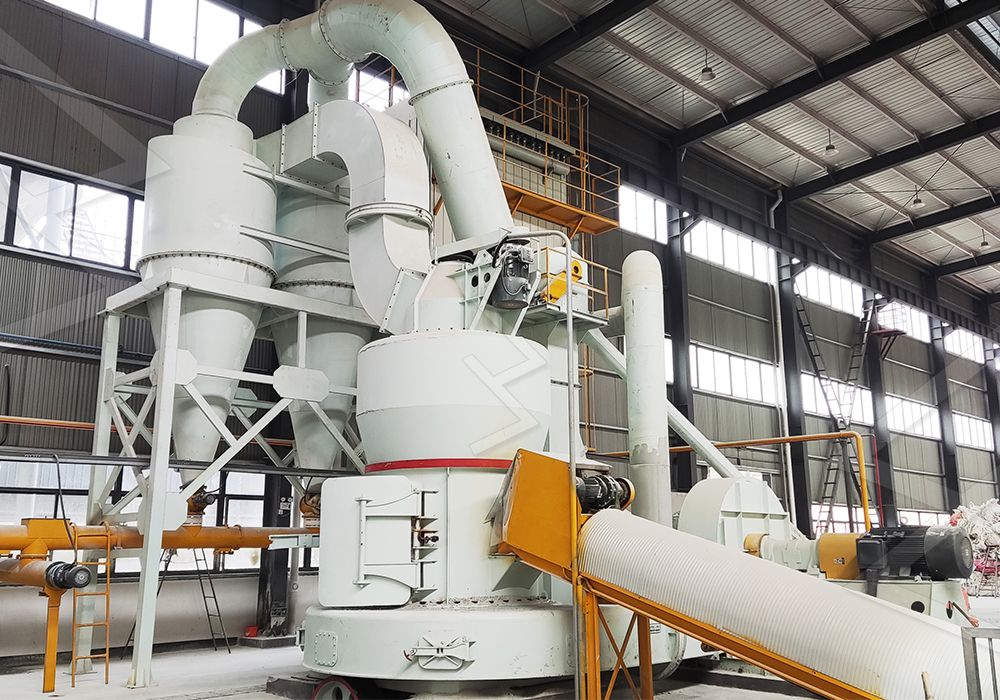
Gypsum is one of the most widely used industrial minerals in the world, especially in the construction industry. In the Philippines, the demand for quality gypsum powder has risen sharply due to the rapid growth of building and infrastructure projects. Drywall, plasterboard, and ceiling tiles all rely on finely ground gypsum powder with consistent quality and particle size distribution. When selecting the right grinding mill for gypsum processing, investors and plant managers need equipment that offers reliability, energy efficiency, and long-term service life. This article explores the best deals for gypsum grinding mills available in the market and highlights two standout solutions from Liming Heavy Industry: the Raymond Mill and the Vertical Mill (also known as the vertical roller mill).
Understanding Gypsum Grinding Requirements
Gypsum is a soft sulfate mineral, and while it is easier to grind than many other minerals, achieving the right fineness and consistency for construction use requires an appropriately designed mill. Gypsum powder for drywall production typically requires fineness between 200–400 mesh (75–44 microns), depending on product specifications. Too coarse and the gypsum board will lack smoothness; too fine and the energy cost increases without field advantage.
A successful gypsum grinding operation must balance:
Particle size distribution
Energy consumption
Maintenance cost
Operational stability
Output capacity
Why Choose a High-Quality Grinding Mill?
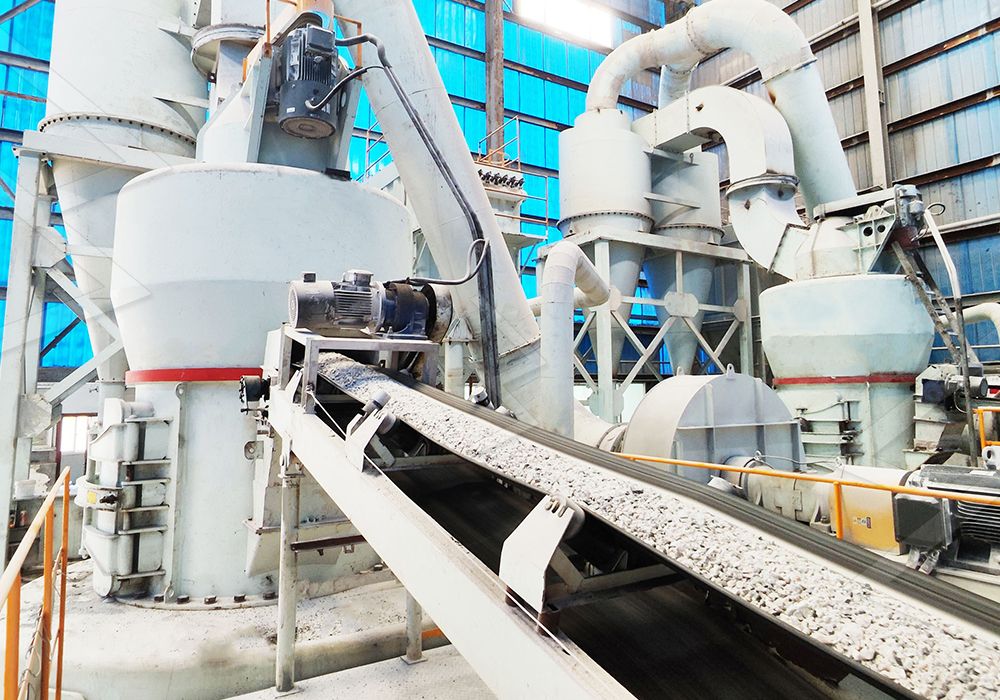
The equipment chosen for gypsum grinding determines not only production efficiency but also the final product quality. Low-grade or undersized mills often struggle to achieve uniform fineness, resulting in varied product performance. In contrast, well-engineered grinding mills offer:
Stable and predictable output
Energy-efficient operation
Ease of maintenance and long service life
Flexible configuration to meet different capacities
Industry support and spare parts availability
For drywall and plasterboard producers in the Philippines, investing in a reliable grinding mill is a strategic decision that impacts return on investment and market competitiveness. Liming Heavy Industry has a strong track record in mineral processing technology, and its gypsum mills are used worldwide.
Raymond Mill: Proven Performance for Gypsum Grinding
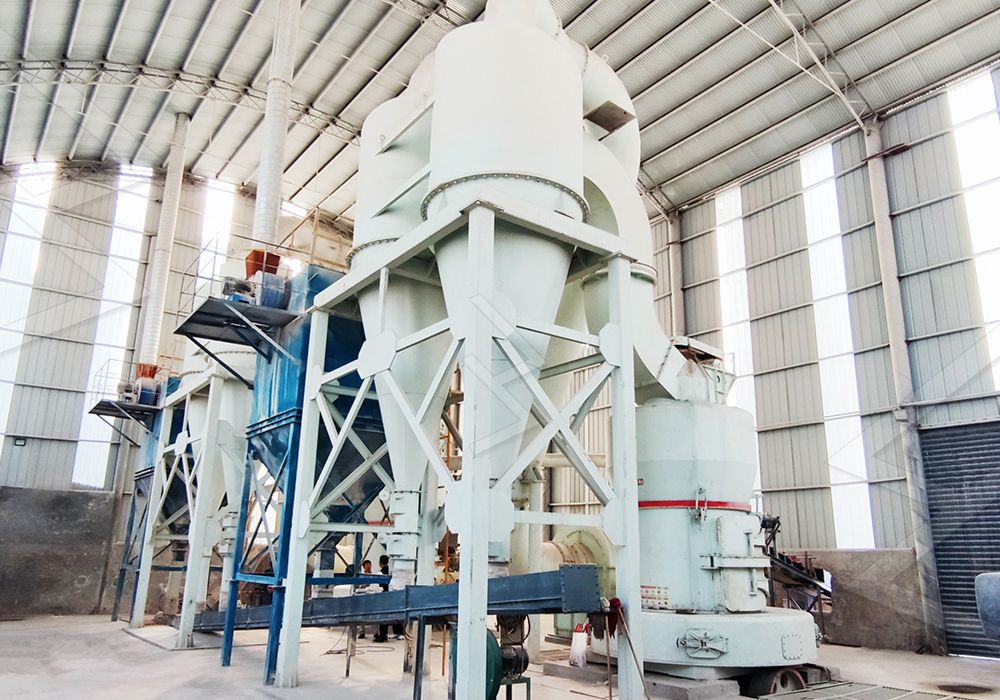
The Raymond Mill is a classic and widely used grinding solution. It has evolved over decades to become one of the most dependable choices for soft to medium-hard materials like gypsum. Liming’s Raymond Mills combine robust construction with high-performance grinding and easy operation. Key advantages include:
_1761355927036.jpg)
Efficient Grinding Mechanism
The Raymond Mill uses a combination of rollers and a grinding ring to apply pressure to the gypsum material. As the grinding rollers roll around the ring, the gypsum is crushed and ground into fine powder. This mechanism ensures a consistent grind and allows operators to adjust fineness easily.
Energy Efficiency
Compared with traditional ball mills, the Raymond Mill consumes less energy to achieve the same fineness. This translates into lower operational cost per ton of gypsum produced. In regions where energy cost is a significant factor, this efficiency offers a tangible advantage.
Low Maintenance Costs
Raymond Mills are designed with simplicity and long service life in mind. Wear parts such as grinding rollers and rings are easy to replace, and downtime for routine maintenance is minimal. This reduces the total cost of ownership over the life of the equipment.
Flexible Capacity Options
Liming offers Raymond Mill models suited to a range of production requirements. Small to medium-sized drywall plants can opt for compact models, while larger operations can select industrial-grade Raymond Mills with higher throughput.
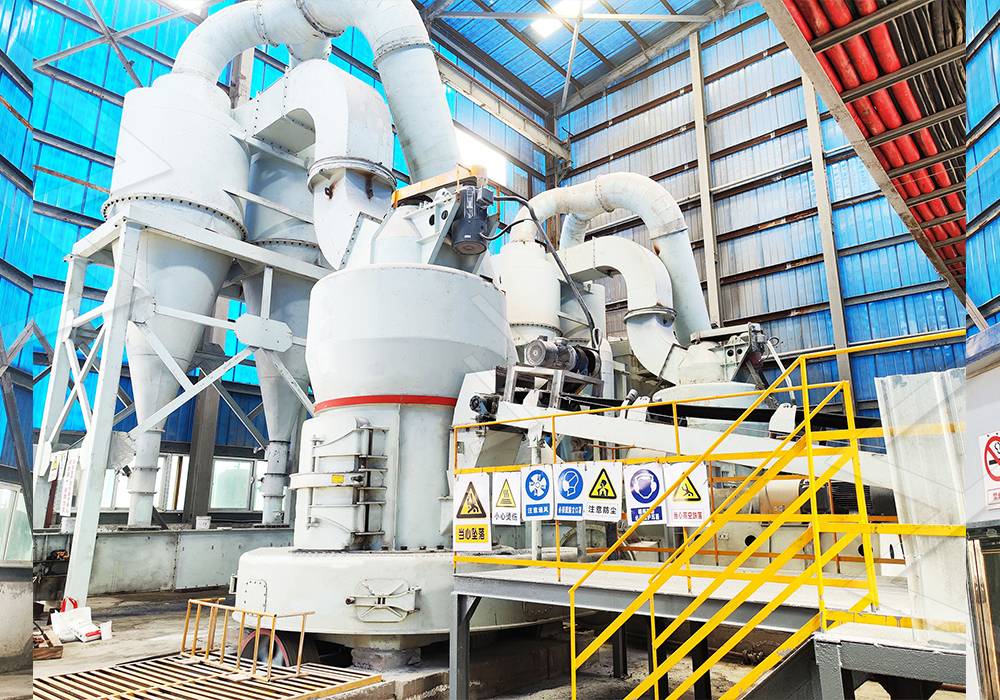
Vertical Mill: Advanced Technology for Large Scale Projects
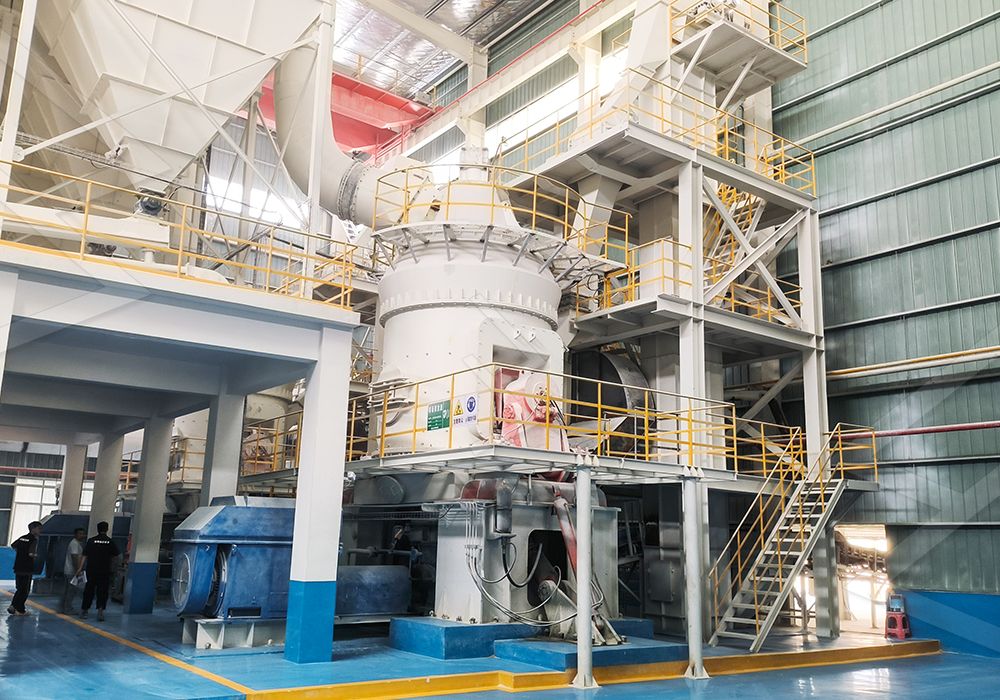
For gypsum producers with higher capacity needs or those looking to future-proof their investment, the Vertical Mill offers superior performance and scalability. Also known as a vertical roller mill (VRM), this equipment integrates crushing, grinding, grading, and conveying in a single system. The key benefits include:
High Output and Stable Operation
Vertical Mills are engineered to handle large volumes of material without sacrificing product quality. The vertical configuration allows more uniform pressure distribution and better grinding efficiency compared to horizontal mills. This results in stable operation at high capacities, ideal for large drywall factories or integrated gypsum processing plants.
Fine and Adjustable Product Fineness
With precise control over airflow and classifier settings, the Vertical Mill can produce gypsum powder across a wide fineness range, from coarse fillers to fine plaster powders. This flexibility helps manufacturers tailor their products to different market demands and application standards.
Energy Savings and Environmental Benefits
Vertical Mills are known for their lower energy consumption per ton of output. The design reduces unnecessary grinding and improves heat dissipation, leading to more efficient use of electrical power. Additionally, integrated dust collection systems minimize environmental impact, ensuring compliance with local regulations.
Integrated Automation and Control
Modern Vertical Mills from Liming Heavy Industry include advanced control systems that automate key functions such as feed rate, classifier speed, and mill temperature. This automation enhances safety, reduces operator workload, and improves consistency in product quality.
Choosing the Right Mill for Philippine Drywall Projects
When evaluating a grinding mill for gypsum powder production, consider the following factors:
Annual Production Capacity: Match mill capacity with your projected annual gypsum output to avoid bottlenecks or underutilization.
Product Specifications: Confirm the required fineness and uniformity for your end products.
Energy Cost: Estimate operational energy expenses and weigh them against mill efficiency.
Service Network: Choose equipment from suppliers with reliable after-sales support, spare parts availability, and technical training.
Budget and ROI: Calculate total cost of ownership, including installation, maintenance, and downtime, to ensure a strong return on investment.
Both the Raymond Mill and Vertical Mill from Liming Heavy Industry provide excellent performance and value. Smaller drywall producers may find the Raymond Mill meets their needs with lower initial investment. Larger, high-capacity operations may benefit more from the advanced features and scalability of the Vertical Mill. Liming’s global experience in mineral grinding technologies ensures that either choice can deliver consistent quality and long-term operation.
Conclusion
For drywall construction projects in the Philippines, gypsum grinding mills are a cornerstone of efficient production. Selecting the right equipment can significantly influence product quality, operational cost, and competitive edge. Liming Heavy Industry’s Raymond Mill and Vertical Mill represent two proven solutions suited for different scales and production goals. Investors and plant managers are encouraged to assess their project requirements carefully and consult with Liming’s technical team to identify the best fit for their gypsum processing needs.
_1761355701097.jpg)
Frequently Asked Questions (FAQ)
1. What is the ideal fineness for gypsum powder used in drywall?
The typical range for drywall gypsum powder is between 200–400 mesh (75–44 microns), depending on product specifications and performance requirements.
2. Can a Raymond Mill meet high-capacity gypsum production needs?
Raymond Mills are suitable for small to medium-scale production. For significantly higher throughput, a Vertical Mill may be more appropriate.
3. How does energy consumption compare between a Raymond Mill and a Vertical Mill?
Vertical Mills generally offer better energy efficiency at large scale due to advanced grinding mechanisms and integrated systems.
4. Are spare parts readily available for these mills in the Philippines?
Yes, Liming Heavy Industry maintains a global supply network, and spare parts can be supplied with reasonable delivery times.
5. What factors should be considered when choosing a gypsum grinding mill?
Consider annual output capacity, product fineness, energy cost, maintenance support, and total cost of ownership when making your decision.


