

Industry News
Slag grinding mill for cement additives in Turkey
2025-12-13 11:11:01
We are Liming Heavy Industry, a manufacturer of various types of industrial crushers, such as Raymond Mill, Trapezoidal Mill, Vertical Mill, Ultrafine Mill, Ball Mill, etc.
Our mills can process the following minerals:
limestone, quicklime, kaolin, talc, barite, bentonite, calcium carbonate, dolomite, coal, gypsum, clay, carbon black, slag, cement raw materials, cement clinker, etc.
If you need a mill to process stone or minerals into powder, please feel free to contact me (WhatsApp: +86 153 3380 7511). Thank you.
Slag has become one of the most important supplementary cementitious materials in Turkey's rapidly expanding construction and infrastructure sectors. As demand for stronger, more durable, and environmentally friendly cement continues to grow, many cement plants are increasing their use of ground granulated blast furnace slag (GGBFS) as a cement additive. The quality of slag powder used in blended cement depends largely on the performance of the grinding mill. For this reason, advanced slag grinding technology has become central to the competitiveness of Turkish cement producers.

Growing Importance of Slag in Turkey's Cement Industry
Turkey is one of the world's leading cement producers, supplying both domestic and international markets. Over the past decade, the industry has increasingly adopted additives such as slag to enhance cement performance while reducing clinker consumption. This shift is driven by several key factors:
Sustainability goals that encourage lower CO₂ emissions
Cost reduction strategies, as slag is generally cheaper than clinker
Improved durability, especially for large infrastructure and marine projects
Higher resistance to sulfate attack and alkali-silica reactions
As a result, many Turkish cement plants now require grinding systems capable of producing high-quality slag powder with stable fineness, high activity index, and consistent particle morphology.

Why Efficient Slag Grinding Matters
Effective slag grinding influences both cement quality and production economics. Properly ground slag powder offers multiple advantages:
Improved Strength Development
Finer slag enhances hydration reactions and accelerates strength gain, strengthening both early and long-term performance.
Better Workability
Uniform slag powder helps produce cohesive and workable concrete mixtures, essential for ready-mix plants.
Enhanced Durability
High-quality slag contributes to dense, low-permeability concrete that performs better in aggressive environments.
Lower Production Cost
Using slag reduces reliance on clinker, lowering fuel consumption and CO₂ emissions.
Given these benefits, the grinding mill must deliver stable, energy-efficient, and reliable production — areas where modern vertical mills have proven to outperform traditional ball mills.
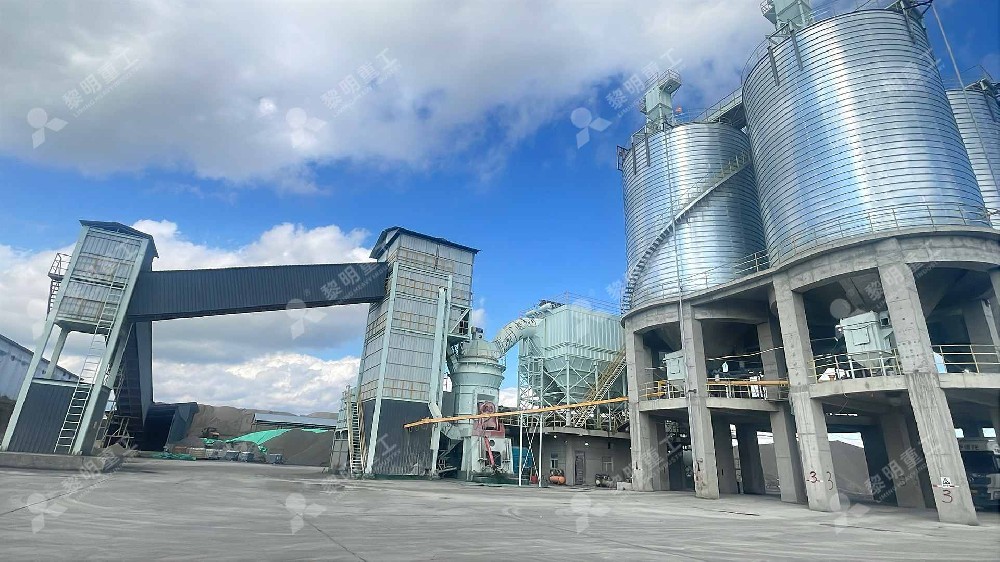
Advantages of Vertical Mills for Slag Grinding
Vertical mills have become the mainstream choice for slag grinding in Turkey due to their superior performance and integrated design. Their key strengths include:
High Grinding Efficiency
The grinding rollers exert strong pressure on the material bed, resulting in higher efficiency compared with conventional mills.
Lower Power Consumption
Vertical mills consume significantly less power per ton, reducing operational costs for cement plants.
Integrated Drying and Grinding
Turkish slag often contains residual moisture. Vertical mills can dry and grind in a single process using hot gases from the kiln.
Stable and Adjustable Fineness
The classifier system ensures precise control, producing slag powder suitable for CEM II, CEM III, and other blended cement types.
Environmentally Friendly Operation
With sealed systems, low noise, and minimal dust, vertical mills support cleaner production standards.
These advantages make vertical mills the preferred choice for both new cement grinding plants and upgrades to existing facilities.
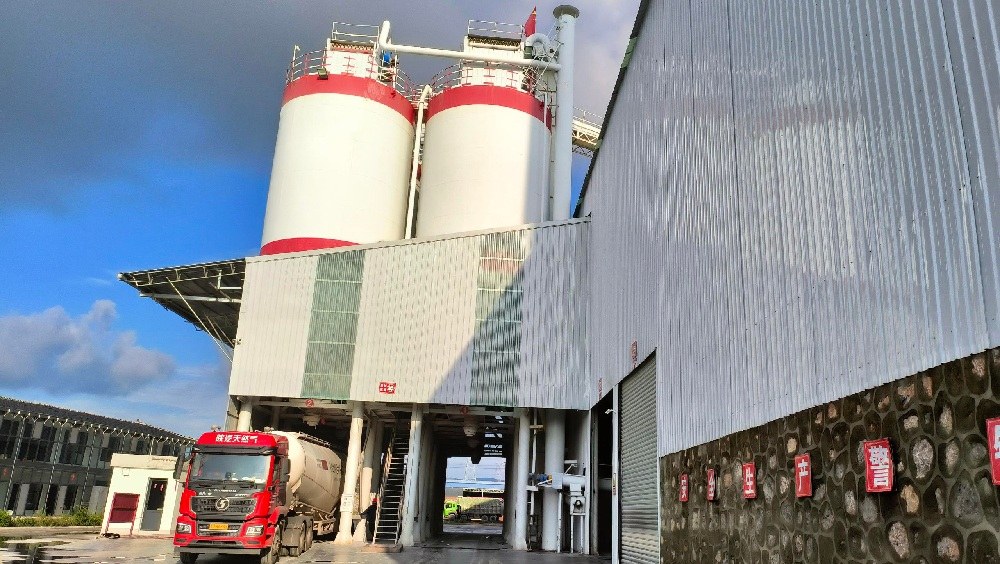
Performance of Advanced Slag Vertical Mills
Modern slag vertical mills incorporate advanced technologies designed to maximize output and product quality. Their performance characteristics include:
Large-Scale Production Capacity
They can handle significantly higher throughput, enabling cement plants to meet rising market demand.
Consistent Product Activity
Optimized grinding mechanisms ensure high slag reactivity, crucial for high-strength and high-performance cement.
Low Maintenance Requirements
The simple structure and automatic control systems reduce downtime and maintenance costs.
Flexible Operation
The mill can switch between slag, clinker, gypsum, and other materials, allowing diversified production strategies.
Reliable System Integration
Modern vertical mills integrate smoothly into existing cement production lines with efficient material handling and process control.
These features align well with the priorities of Turkish cement plants seeking stable output and competitive operating costs.
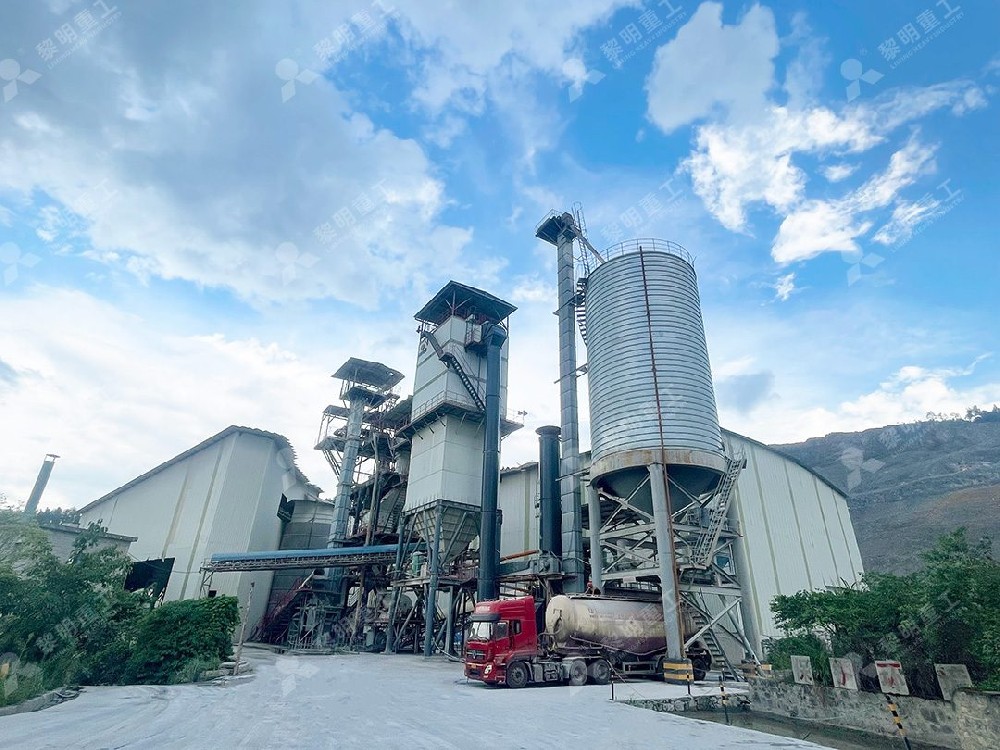
Why Many Turkish Producers Prefer This Type of Vertical Mill
Enterprises in Turkey value long-term reliability, high energy efficiency, and consistent slag quality. The advanced design of modern vertical mills supports:
Higher grinding efficiency for finer, more reactive slag
Lower energy and maintenance expenses
Strong adaptability to different slag sources
Stable long-term operation even under high workloads
Improved environmental performance and compliance
These strengths have contributed to the widespread adoption of vertical mills in new Turkish grinding stations and integrated cement plants.
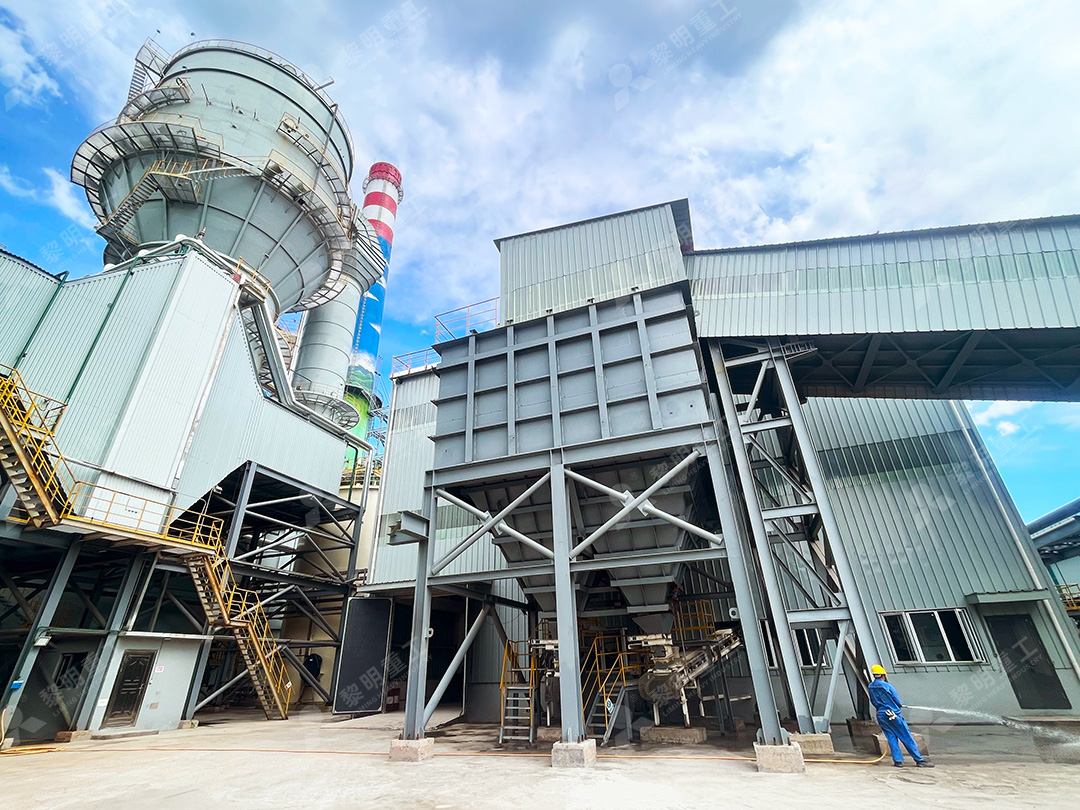
Application in Cement Additives and Blended Cement Production
Slag powder produced by vertical mills plays a crucial role in manufacturing several types of blended cements in Turkey. These include:
CEM II/A-S and CEM II/B-S, widely used in residential construction
CEM III/A and CEM III/B, for high-strength and marine structures
Ready-mix concrete additives, improving workability and durability
Infrastructure-grade concrete, used in bridges, tunnels, and industrial foundations
The ability to produce high-quality slag powder consistently enables Turkish manufacturers to meet market demand and elevate the performance of their cement products.
Conclusion
As Turkey continues investing in large-scale infrastructure, energy projects, and urban development, the demand for high-performance cement additives such as slag will continue to rise. Efficient slag grinding technology is essential not only for cement quality but also for cost control and environmental compliance. Modern vertical mills provide an integrated and reliable solution for producing high-quality slag powder, making them an important asset for companies seeking competitive advantages in the Turkish cement market.

FAQ
1. Why is slag powder widely used in Turkey's cement industry?
Slag improves cement strength, enhances durability, reduces clinker consumption, and supports lower CO₂ emissions, making it valuable for both economic and environmental reasons.
2. What fineness is typically required for slag used in cement additives?
Most cement producers target 420–500 m²/kg Blaine fineness to achieve high reactivity and strong performance in blended cement.
3. Why do many plants prefer vertical mills for slag grinding?
Vertical mills offer higher efficiency, lower power consumption, integrated drying, and more stable product quality compared with traditional mills.
4. Can vertical mills handle slag with high moisture content?
Yes. They use hot gases to dry the material while grinding, making them suitable for slag with varying moisture levels.
5. What benefits do modern slag vertical mills offer for long-term operation?
They provide high throughput, consistent quality, low maintenance requirements, and strong adaptability to different materials.


