

Industry News
Gypsum Grinding Mill Reviews for Agricultural Lime and Soil Improvement in Egypt
2025-12-12 09:51:33
We are Liming Heavy Industry, a manufacturer of various types of industrial crushers, such as Raymond Mill, Trapezoidal Mill, Vertical Mill, Ultrafine Mill, Ball Mill, etc.
Our mills can process the following minerals:
limestone, quicklime, kaolin, talc, barite, bentonite, calcium carbonate, dolomite, coal, gypsum, clay, carbon black, slag, cement raw materials, cement clinker, etc.
If you need a mill to process stone or minerals into powder, please feel free to contact me (WhatsApp: +86 153 3380 7511). Thank you.
Gypsum grinding technology has become an essential part of agricultural development in Egypt, especially for regions dealing with soil salinity, poor structure, and limited organic content. As more farmers adopt soil-improvement strategies, the demand for reliable grinding mills capable of producing high-quality gypsum powder has grown steadily. Gypsum, when processed into fine powder, can be blended into agricultural lime formulations to enhance soil pH balance, improve nutrient availability, and increase crop productivity. This article reviews the use of gypsum grinding mills in Egypt's agricultural sector, evaluates performance factors, and highlights why equipment such as Raymond mills and vertical mills has become a preferred choice for many processing enterprises.
_1761296107304.jpg)
Growing Demand for Gypsum-Based Soil Enhancers in Egypt
Egypt's arid climate poses natural challenges to soil quality. Many farmlands suffer from alkalinity and hardpan layers that restrict water infiltration. Gypsum, composed primarily of calcium sulfate, provides a natural solution by breaking down compacted soil, enhancing permeability, and aiding root development. Its application as a soil amendment has been widely adopted in Upper Egypt, the Nile Delta, and reclaimed desert lands.
Because gypsum needs to be ground into specific fineness ranges before it can be used effectively, grinding mills play a critical role in ensuring product quality. Properly processed gypsum powder is also added to agricultural lime products to create balanced formulations that improve both pH and soil structure.
Key Performance Factors in Gypsum Grinding Mills
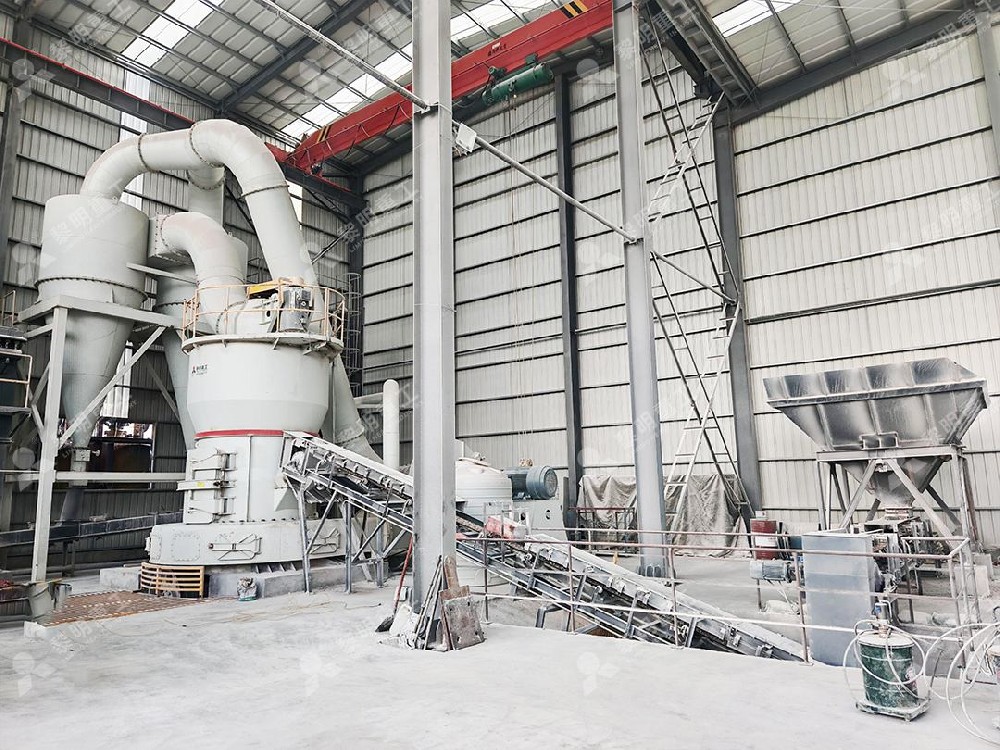
For agricultural applications, the grinding mill must meet strict requirements related to fineness, capacity, energy consumption, and product consistency. Common considerations include:
Fineness Control
The ideal gypsum powder for soil conditioning typically ranges from 80–325 mesh. Mills must maintain stable fineness throughout production to ensure uniform field application.
Moisture Handling
Egyptian gypsum deposits may contain variable moisture levels. Efficient grinding systems should handle slightly wet materials without output fluctuation.
Energy Efficiency
With rising fuel and electricity prices, mills offering lower energy consumption significantly reduce operating costs.
Environmental Performance
Dust control and sealed conveying systems are necessary for cleaner production and compliance with environmental requirements.
Raymond Mill Performance for Gypsum Processing
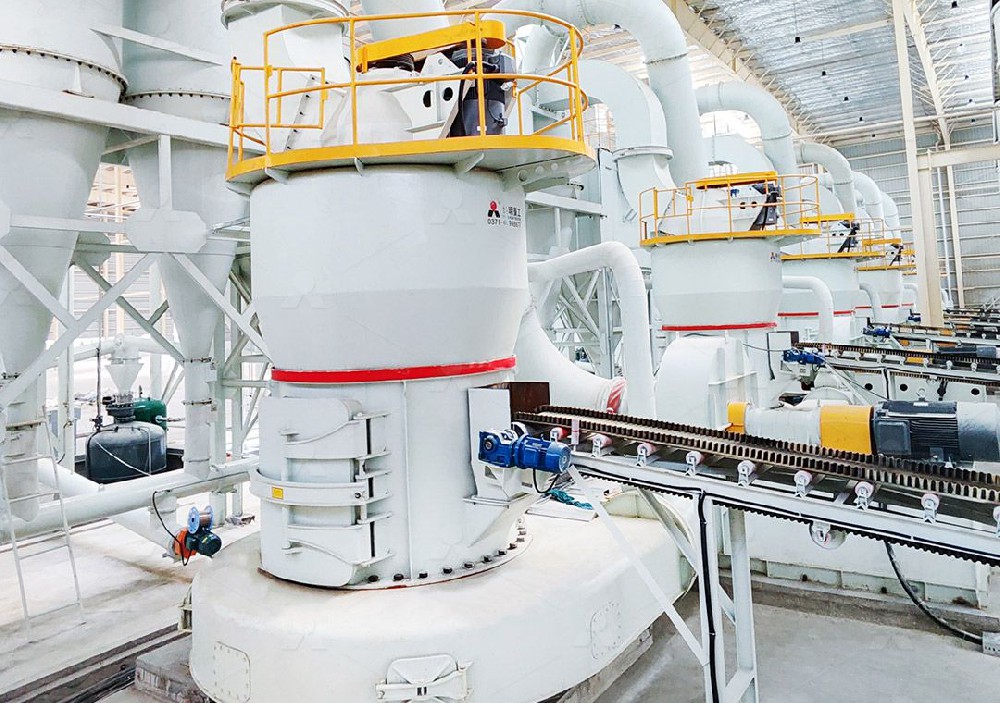
Raymond mills have been used extensively for mineral grinding in Egypt due to their stable performance, simple structure, and cost-effective operation. In gypsum processing for agricultural lime, the Raymond mill offers several advantages:
Uniform Fineness:
The classifier system ensures stable particle size distribution, ideal for soil improvement uses.
Lower Investment:
Raymond mills require relatively modest initial investment and are easy to install, making them suitable for medium-scale gypsum producers.
Efficient Dry Grinding:
Many models can handle materials with moderate moisture, reducing the need for separate drying equipment in Egypt's dry climate.
Reliable Operation:
With fewer moving parts and a proven grinding mechanism, Raymond mills deliver long-term stable production with simplified maintenance.
These features make Raymond mills popular among Egyptian processors producing gypsum powder for agriculture, fertilizers, and construction additives.
Vertical Mill Advantages for Large-Scale Gypsum Projects
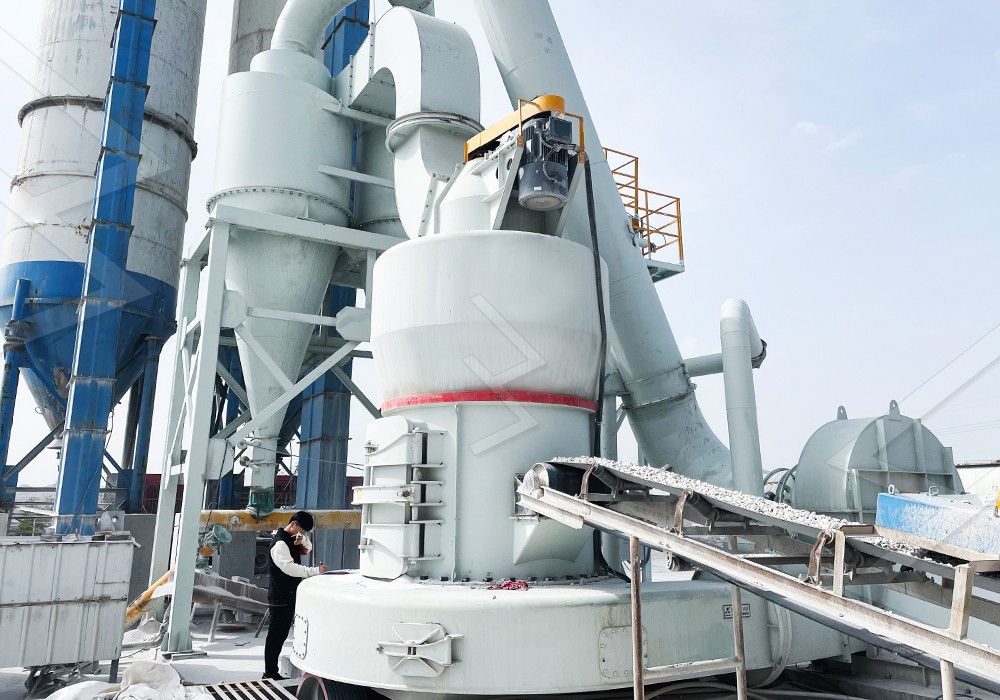
Vertical mills offer a more advanced grinding solution, especially for enterprises that require high-capacity, high-efficiency, and environmentally friendly production. Their performance characteristics include:
High Throughput:
Vertical mills can handle significantly larger capacities compared with traditional mills, making them ideal for large gypsum mines and industrial producers.
Superior Energy Efficiency:
Grinding efficiency is higher due to the integrated roller-grinding mechanism, which reduces power consumption per ton.
Integrated Functions:
Vertical mills combine crushing, grinding, classifying, and conveying into a single unit, reducing equipment footprint and simplifying process flows.
Stable Product Quality:
The mill's precision control ensures consistent fineness, crucial for producing premium agricultural gypsum powders.
Low Dust and Noise:
The sealed system reduces emissions and complies with modern standards for green production.
In Egypt's growing fertilizer and soil-improvement markets, vertical mills have gained recognition for their ability to supply large volumes of stable, high-quality gypsum powder.
Why Many Egyptian Processors Choose These Mills
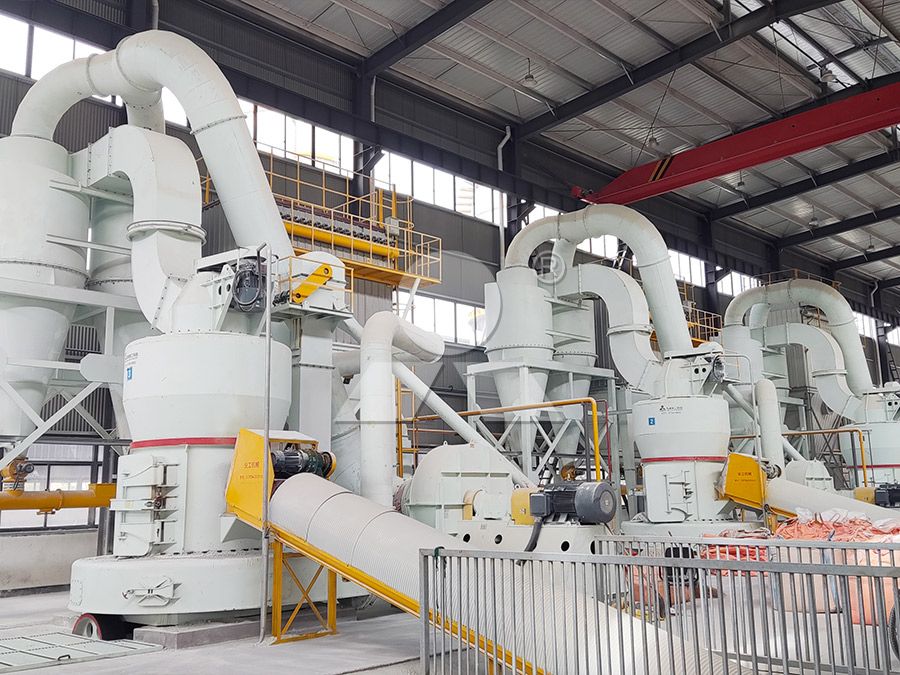
Companies involved in gypsum grinding for agricultural purposes prioritize long-term reliability, low operating costs, and output consistency. Both Raymond mills and vertical mills meet these criteria, offering:
Strong adaptability to Egyptian gypsum ore quality
Efficient processing suitable for both small and large producers
High product quality for agricultural lime formulations
Lower maintenance demands compared with older grinding equipment
Proven operational success in mineral processing industries
These strengths have made these types of mills a trusted choice among agricultural suppliers, fertilizer manufacturers, and soil-amelioration product producers across Egypt.
Conclusion
As Egypt increasingly focuses on improving soil quality and agricultural productivity, the role of gypsum grinding technology continues to expand. High-performance mills ensure that gypsum can be processed into fine, consistent powder suitable for use in agricultural lime and soil-conditioning products. For producers seeking stable performance, lower operational costs, and high output quality, equipment such as Raymond mills and vertical mills has become a strategic investment that supports long-term industry development.
_1761355927036.jpg)
FAQ
1. What fineness is recommended for gypsum used in agricultural soil improvement?
Gypsum powder for agricultural applications is typically ground to 80–325 mesh to ensure efficient soil penetration and uniform field application.
2. Is a Raymond mill suitable for producing gypsum powder for agriculture?
Yes. Raymond mills perform well for medium-capacity operations, offering stable fineness, low investment cost, and reliable operation for gypsum powder production.
3. Why choose a vertical mill for gypsum grinding in Egypt?
Vertical mills offer high capacity, lower energy consumption, integrated functions, and excellent environmental performance, making them ideal for large gypsum processing lines.
4. Can these mills handle gypsum with varying moisture levels?
Both Raymond mills and vertical mills can manage moderate moisture content, ensuring stable grinding without requiring separate drying equipment.
5. Are these mills energy-efficient for long-term agricultural production?
Yes. Raymond mills offer good energy performance, while vertical mills provide even higher efficiency, reducing overall production costs.


