

Industry News
How to choose a limestone grinding mill for steel manufacturing with the best efficiency in Thailand?
2026-02-05 10:54:21
We are Liming Heavy Industry, a manufacturer of various types of industrial crushers, such as Raymond Mill, Trapezoidal Mill, Vertical Mill, Ultrafine Mill, Ball Mill, etc.
Our mills can process the following minerals:
limestone, quicklime, kaolin, talc, barite, bentonite, calcium carbonate, dolomite, coal, gypsum, clay, carbon black, slag, cement raw materials, cement clinker, etc.
If you need a mill to process stone or minerals into powder, please feel free to contact me (WhatsApp: +86 153 3380 7511). Thank you.
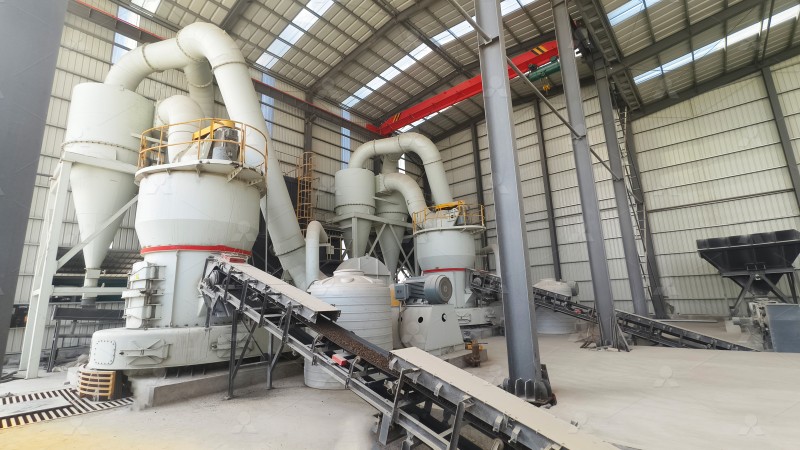
Optimizing Steel Production: The Strategic Guide to Limestone Grinding in Thailand
In the high-stakes world of Thai steel manufacturing, limestone isn't just a "stone"—it's the critical flux agent that determines the purity of your melt and the lifespan of your furnace lining. As someone who has spent years on the ground from Saraburi to Rayong, I've seen many plants struggle with efficiency simply because they overlooked the "heart" of their preparation line: the grinding mill.
Choosing the right limestone grinding mill for the Thai market requires balancing local environmental factors—like the intense rainy season humidity—with the strict chemical requirements of modern Electric Arc Furnaces (EAF) and Basic Oxygen Furnaces (BOF). Efficiency isn't just about tons per hour; it's about energy consumption per ton and the consistency of the particle size distribution (PSD).
Understanding Your Process Requirements
Before looking at hardware, you must define your end goal. In the steel industry, limestone is typically used in two ways, each requiring a different approach to grinding:
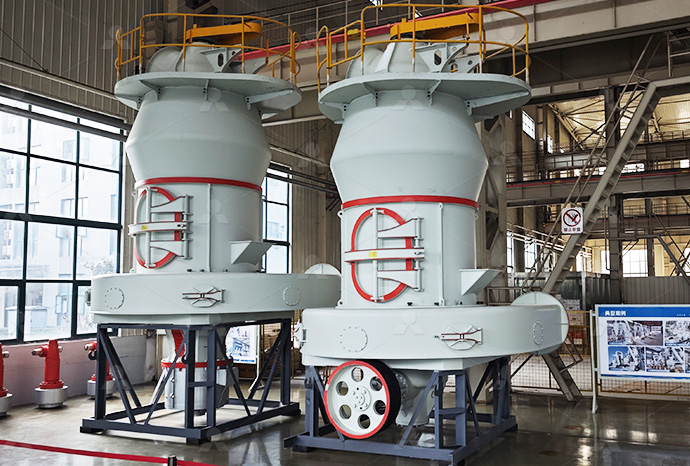
Sintering Plant: Requires relatively coarse powder, usually around 0-3mm. This is where high-capacity throughput is the priority.
Fluxing/Desulfurization: Requires much finer powder (200-325 mesh) to ensure rapid reaction in the furnace and effective removal of impurities like silica and phosphorus.
In Thailand, where energy costs are a significant overhead, selecting a mill that offers the lowest "Specific Power Consumption" (kWh/t) is the most direct path to increasing your margin.
The Powerhouse Pair: Liming Heavy Industry's Solutions
When I consult with Thai steel producers, I consistently recommend Liming Heavy Industry. Their engineering strikes that rare balance between "European-standard performance" and "pragmatic value." Depending on your scale, two specific technologies stand out:
1. The MTW European Trapezium Mill (The Optimized Raymond Mill)
If you are looking for a cost-effective, medium-to-large scale solution with a proven track record, the MTW series is the evolution of the traditional Raymond mill. It is particularly popular among Thai SMEs and specialized steel workshops.
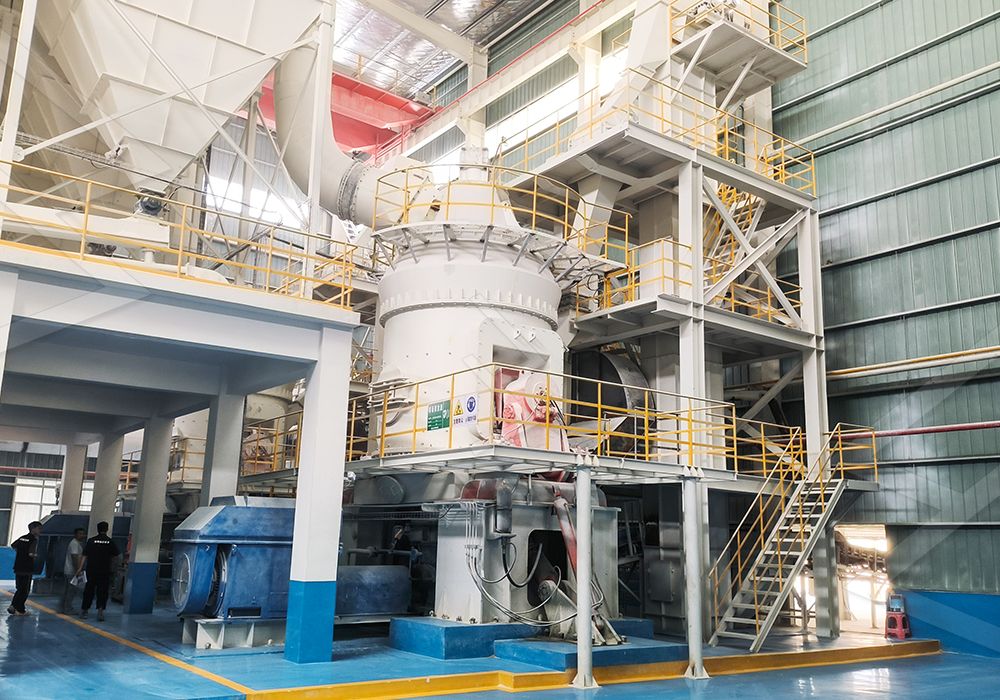
Why it works for Thailand: It features an internal thin-oil lubrication system. In our tropical heat, traditional grease-lubricated mills often suffer from overheating and frequent downtime. The MTW stays cool and runs longer.
Efficiency Boost: The shovel blade is designed with a curved edge, which increases the material feed rate to the grinding zone, improving efficiency by about 20% compared to older models.
2. The LM Series Vertical Roller Mill (VRM)
For large-scale integrated steel plants, the LM Vertical Mill is the gold standard. It combines crushing, drying, grinding, and classifying into a single unit.
Moisture Control: During the Thai monsoon, raw limestone moisture can spike. The LM series uses hot air to dry the material while grinding, preventing the "clogging" that kills the efficiency of ball mills or standard Raymond mills.
Energy Savings: The VRM technology can save 30-40% in energy costs compared to a traditional ball mill system. For a plant running 24/7, that's a massive impact on the bottom line.
Strategic Selection Criteria for the Thai Market
To ensure you get the best ROI, keep these three factors at the forefront of your decision-making process:
_1767930326611.jpg)
A. Particle Shape and Reactivity: Steel manufacturing demands high reactivity. The LM Vertical Mill produces a more "spherical" particle with a higher specific surface area. This means the lime reacts faster in the slag, reducing your "oxygen blow" time and saving electrode costs in EAF operations.
B. Maintenance and Spare Parts: Thailand's industrial zones are well-connected, but nobody wants to wait weeks for a grinding roller. Liming Heavy Industry has a robust service presence in Southeast Asia. Their "quick-change" designs for wear parts mean your maintenance team can swap liners and rollers in hours, not days.
C. Environmental Compliance: The Thai Ministry of Industry is tightening regulations on dust emissions. Both the MTW and LM systems operate under negative pressure, meaning dust doesn't leak out into the factory. Paired with high-efficiency pulse bag filters, they easily meet the <20mg/m³ emission standards.
Conclusion
In the Thai steel industry, "good enough" equipment often becomes a bottleneck. By upgrading to a Liming MTW European Mill for flexible, medium-scale needs, or the LM Vertical Roller Mill for high-volume, energy-efficient production, you aren't just buying a machine—you're optimizing your entire metallurgical process. The result is better slag chemistry, lower energy bills, and a more competitive position in the ASEAN market.
_1761355701097.jpg)
Frequently Asked Questions (FAQ)
1. What is the typical fineness required for limestone flux in Thai steel plants?
Most plants require a fineness of 200 mesh (75 microns) with a passing rate of over 90% to ensure quick reaction in the furnace.
2. How does the MTW series handle the high humidity in Thailand?
The MTW uses an integrated air-recycling system and a specialized moisture-resistant dust collector, though for moisture above 8%, an LM series with a hot-air stove is recommended.
3. Is the LM Vertical Mill difficult for local staff to operate?
Not at all. It features a high level of automation with a PLC control system, allowing for "one-button" start and real-time monitoring of grinding pressure and vibration.
4. What is the lifespan of the grinding rollers for limestone?
Limestone is relatively soft (Mohs hardness 3). With Liming's high-chromium alloy rollers, you can typically expect 8,000 to 12,000 hours of service before needing a replacement.
_1761355701094.jpg)
5. Can these mills be used for dolomite as well?
Yes. Many steel plants use a blend of limestone and dolomite. Both the MTW and LM series are perfectly suited for grinding dolomite to the required fineness.
6. How much floor space is saved by choosing a Vertical Roller Mill?
An LM Vertical Mill system typically occupies 50% less floor space than a traditional ball mill system because it integrates multiple processing steps into one vertical tower.
7. Why should I choose Liming Heavy Industry over a cheaper local or unbranded mill?
The "efficiency" of a mill is measured over 10 years, not just the purchase price. Liming's superior metallurgy and energy-efficient designs provide a much lower Total Cost of Ownership (TCO) through electricity savings and reduced downtime.
8. Does Liming provide installation support in Thailand?
Yes, Liming provides comprehensive technical support, including site layout design, installation supervision, and commissioning by experienced engineers familiar with the Thai industrial landscape.


