

Industry News
The Role of Kaolin Powder in Cosmetic and Skincare Products
2026-02-04 10:15:34
We are Liming Heavy Industry, a manufacturer of various types of industrial crushers, such as Raymond Mill, Trapezoidal Mill, Vertical Mill, Ultrafine Mill, Ball Mill, etc.
Our mills can process the following minerals:
limestone, quicklime, kaolin, talc, barite, bentonite, calcium carbonate, dolomite, coal, gypsum, clay, carbon black, slag, cement raw materials, cement clinker, etc.
If you need a mill to process stone or minerals into powder, please feel free to contact me (WhatsApp: +86 153 3380 7511). Thank you.
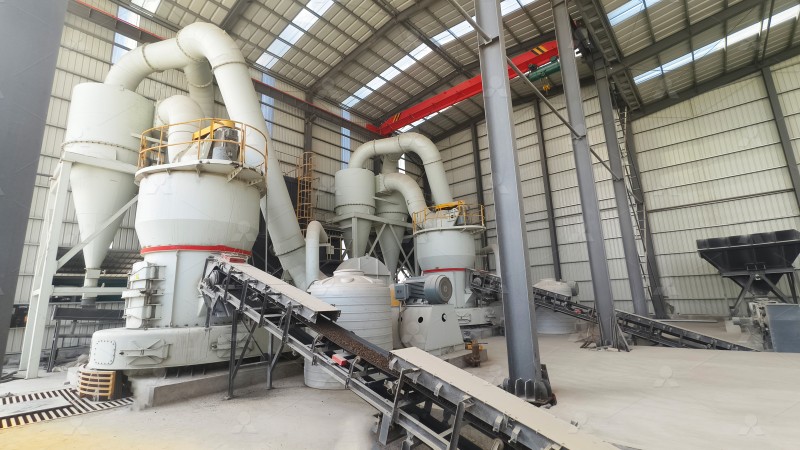
From Quarry to Complexion: Engineering the Perfect Kaolin for the Beauty Industry
In the world of cosmetics, "texture" is currency. Whether it is a matte-finish foundation, a silky setting powder, or a detoxifying clay mask, the tactile experience of the product often dictates its success in the market. As a mineral processing specialist who has spent decades bridging the gap between raw mining and high-end manufacturing, I have observed a fascinating shift. The "Clean Beauty" movement has revitalized the demand for Kaolin (China Clay), moving it from a humble industrial filler to a premium functional ingredient.
However, there is a disconnect. Many raw material suppliers believe that simply mining high-whiteness kaolin is enough. It is not. The difference between a cheap, chalky filler and a luxury cosmetic ingredient lies almost entirely in the mechanical processing capabilities of your grinding line. A cosmetic chemist demands particle uniformity, low abrasion, and specific oil-absorption rates. These properties are engineered, not mined.
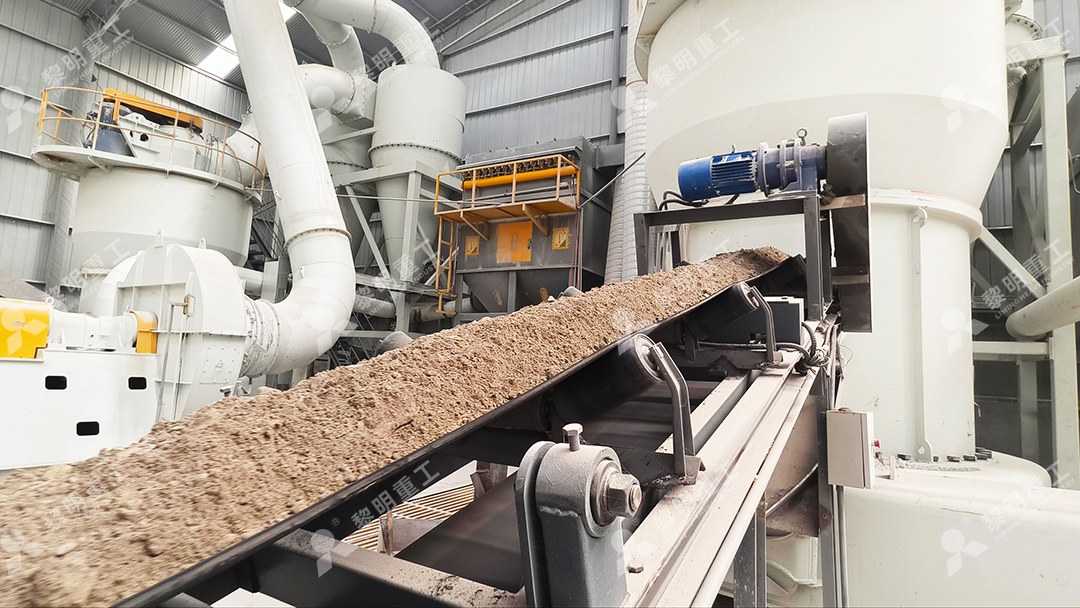
This article explores the technical nuances of processing kaolin for the skincare and cosmetic sectors, and why the choice of milling technology—specifically the solutions offered by Liming Heavy Industry—determines whether your product ends up in high-end formulations or low-grade industrial fillers.
The Physics of "Feel": Why Milling Matters
Kaolinite is a layered silicate mineral. Its value in cosmetics comes from its platy (flat) crystal structure, which provides "slip" (the ability to glide smoothly over skin) and "coverage" (opacity).
Here is the processing challenge: You need to grind the material fine enough to eliminate any grittiness (typically passing 325 mesh or much finer), but if you use the wrong type of impact force, you destroy the platy structure. If the plates are shattered into jagged shards, the powder feels dry and drags on the skin. Furthermore, "flash" or "agglomerates" (clumps of particles) are unacceptable in a mascara or lipstick formulation.
To achieve the "silky" texture required by top-tier cosmetic brands, the grinding equipment must offer:
Precise Particle Size Distribution (PSD): A steep curve is required. You cannot have coarse "oversize" particles that scratch the skin, nor excessive "ultra-fines" that cause dusting issues.
Iron Control: Iron oxide creates color issues and interacts negatively with certain active ingredients. The mill itself must not introduce metal contamination.
Surface Modification Capability: Modern cosmetic kaolin is often coated with stearates or silicones to improve dispersibility in oil.
The Artisan's Tool: The Liming MTW European Trapezium Mill
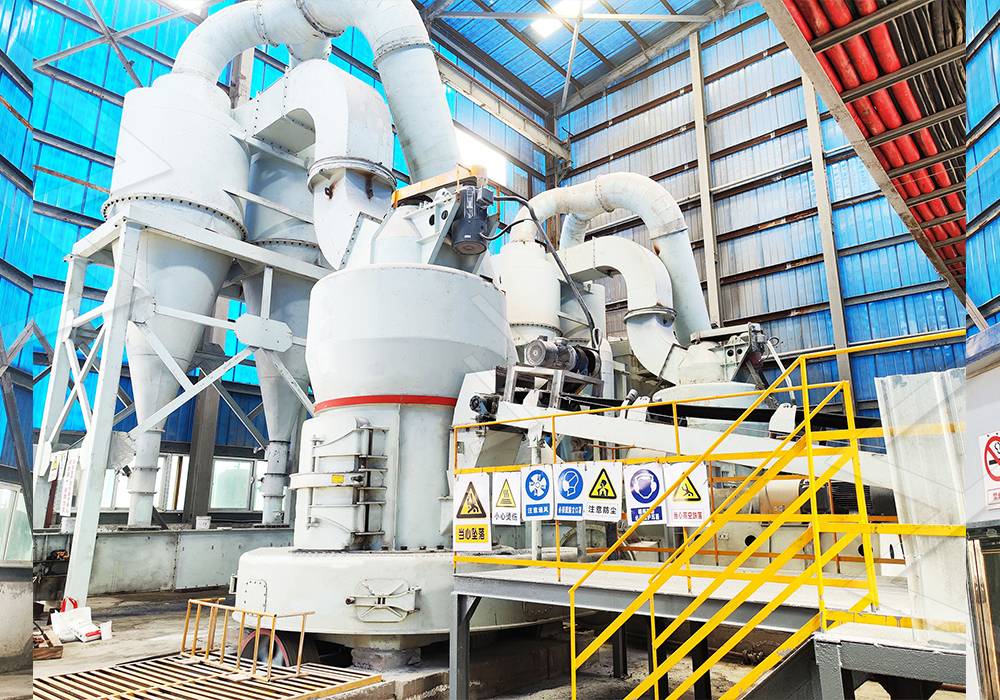
For producers targeting the mid-to-high-end cosmetic market with production goals of 3 to 15 tons per hour, the Liming MTW Series is what I consider the "precision instrument" of grinding mills.
The MTW is an evolution of the traditional Raymond mill, but it addresses the specific hygiene and quality concerns of the cosmetic sector. In older mills, the bearing seals were weak points where oil could leak into the powder—a catastrophe for cosmetic ingredients. The MTW employs an integral drive system and advanced sealing technologies that virtually eliminate the risk of lubricant contamination.
The Delamination Advantage: The grinding geometry of the MTW (trapezium rollers and rings) applies pressure in a way that encourages delamination (separating the clay layers) rather than just shattering them. This preserves the "slip" of the kaolin. When a user applies a powder foundation made from MTW-processed kaolin, it glides.
Furthermore, the built-in cage classifier is frequency-controlled. This allows the operator to dynamically adjust the cut-point. If a client requests a "super-fine" grade for a liquid foundation, you can adjust the airflow and speed to reject coarse particles without stopping the machine.
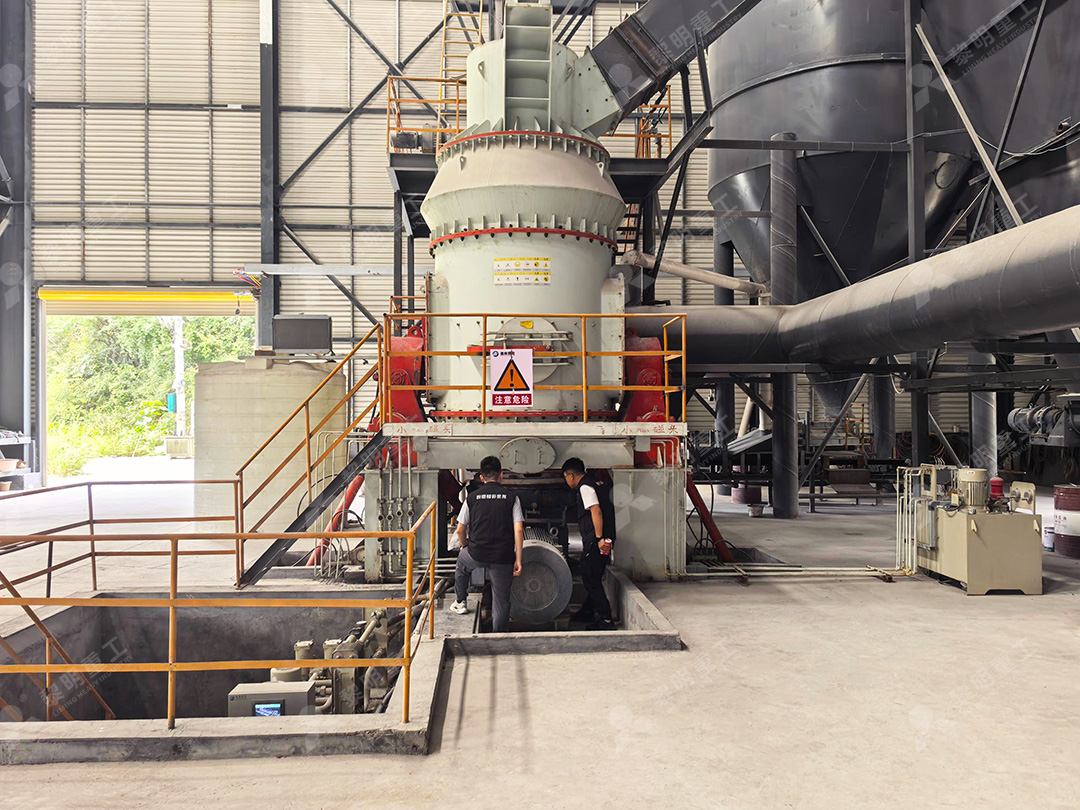
The Industrial Workhorse: The Liming LM Vertical Roller Mill
When we talk about the base ingredients for toothpaste, bulk clay masks, or soap fillers, we are talking about volume. Market demands might push production requirements to 20, 50, or 100 tons per hour. In this scenario, the Liming LM Vertical Roller Mill (VRM) is the superior choice.
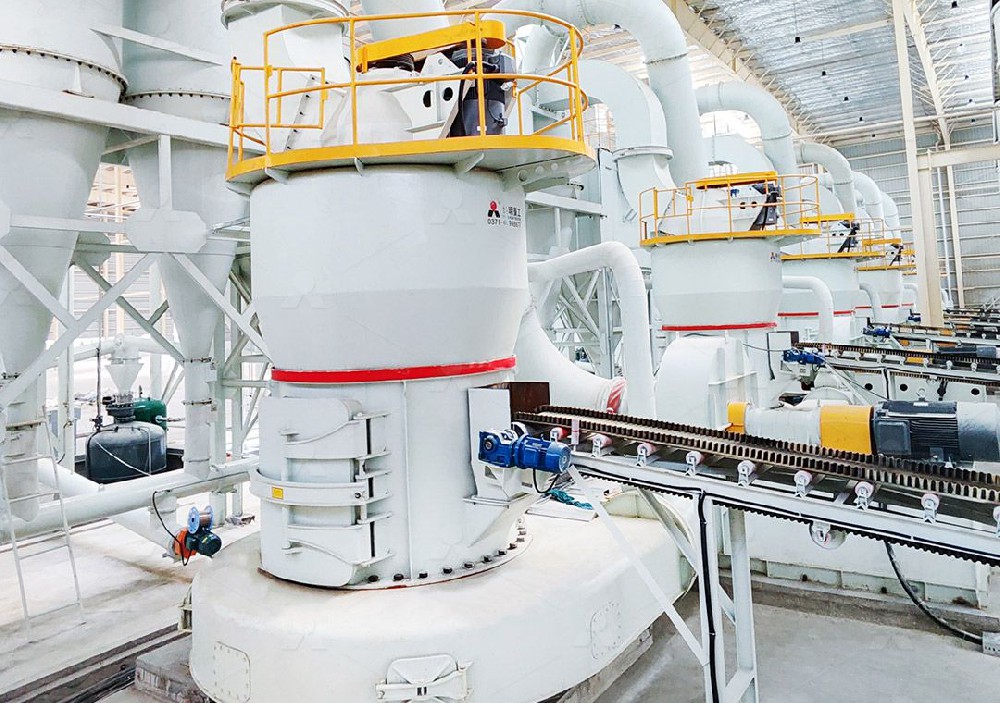
Hygiene through Heat: Raw kaolin is hygroscopic; it loves water. Bacteria and mold love water too. The cosmetic industry has zero tolerance for microbial growth. The LM Vertical Mill solves this through thermodynamics. It is an air-swept mill that allows hot gas (from a burner or heat exchanger) to flow directly through the grinding zone.
You can feed raw kaolin with 15% moisture, and the mill will flash-dry it to below 0.5% moisture while grinding. This thermal shock not only ensures a free-flowing powder but also helps in creating a bacteriostatic environment, reducing the microbial load before the powder even hits the final sterilization stage.
Whiteness Preservation: In high-volume ball milling, the long residence time and steel ball wear can reduce the whiteness (ISO brightness) of the kaolin. The LM Vertical Mill relies on material-bed grinding. The kaolin grinds against itself. The rollers press down on a bed of material, so metal-to-metal contact is minimal. This ensures that the natural whiteness of the clay is preserved, reducing the need for chemical bleaching.
The "Secret Sauce": Surface Modification
This is where the industry is heading. Cosmetic formulators love "hydrophobic" (water-repelling) kaolin because it stays on the skin longer and doesn't cake when the user sweats.
Both the MTW and LM mills from Liming Heavy Industry can be equipped for in-situ surface modification. You can inject modifying agents (like silanes or stearic acid) directly into the mill. The heat and the intense turbulence of the airflow coat every individual particle uniformly during the grinding process.
This turns a 50-cent/kg raw material into a $5.00/kg functional ingredient. Achieving this in a single machine—drying, grinding, classifying, and coating—is the definition of operational efficiency.
Why I Recommend Liming Heavy Industry
In the non-metallic mineral sector, equipment is often judged by how much punishment it can take. But in cosmetics, equipment is judged by the finesse of its output.
I recommend Liming Heavy Industry because they have recognized that "powder processing" is not one-size-fits-all. They offer specific configurations for the "white mineral" industry.
Wear Parts: They offer ceramic or high-chrome alloy options to minimize iron contamination.
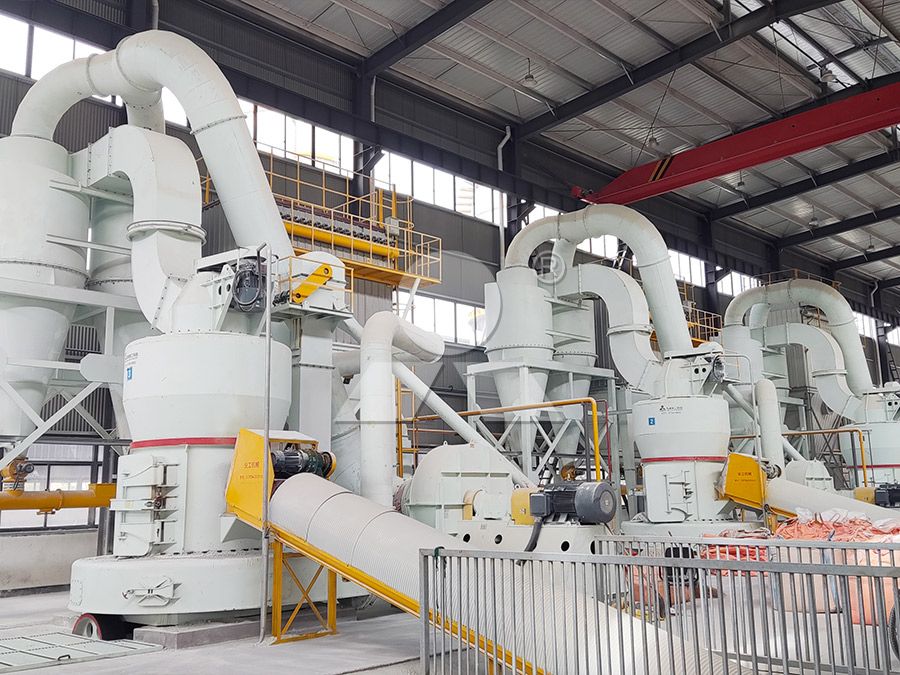
Airflow Design: Their Pulse-Jet dust collectors are incredibly efficient (99.99% capture). In a cosmetic grade plant, you cannot have dust cross-contamination between batches. Their negative-pressure design ensures the plant remains hospital-clean.
Support: Adjusting a classifier to get exactly 2 microns (d50) takes skill. Liming's engineers don't just install the machine; they help dial in the process parameters to hit those specific specs required by companies like L'Oréal or Estée Lauder.
Final Thoughts
The cosmetic consumer is becoming more educated. They read labels. They understand ingredients. Brands are under pressure to source minerals that are pure, safe, and sensory-pleasing. As a supplier, your ability to meet these demands rests on your grinding line.
If you are running a boutique operation focusing on ultra-premium grades, the Liming MTW Raymond Mill offers the control and particle shape preservation you need. If you are feeding the mass market with high-quality base fillers, the Liming LM Vertical Roller Mill provides the scale, drying capability, and consistency required to secure large contracts.
Quality is not an accident; it is an engineered outcome.
_1761361296293.jpg)
Frequently Asked Questions (FAQ)
1. What is the ideal particle size for kaolin used in cosmetics?
It varies by application. For face powders and foundations, a mesh size of 325 to 1250 (roughly 45 to 10 microns) is standard to ensure a smooth feel. For "invisible" setting powders or cream formulations, ultra-fine grades (2000-3000 mesh / D97 < 5 microns) are often required. Both Liming MTW and LM mills can achieve these fineness levels via adjustable classifiers.
2. How do I prevent iron contamination during the grinding process?
Iron is the enemy of cosmetic purity. We recommend using Liming's wear parts made from specialized high-chrome alloys or ceramic composites. Additionally, magnetic separators should be installed at the feed inlet and the discharge outlet of the mill to capture any tramp iron or magnetic particles.
3. Can the mill handle wet kaolin clay?
The Liming LM Vertical Roller Mill is designed specifically for this. It can handle raw kaolin with moisture contents up to 15-20%. The integrated hot air system dries the clay almost instantly during grinding. The MTW Raymond Mill can handle moisture up to 6%; anything higher requires an external dryer before milling.
4. What is "calcined kaolin" and can these mills process it?
Calcined kaolin has been fired in a kiln to remove crystal water, making it whiter and more abrasive. It is used in high-end cosmetics for better opacity. Because it is harder (higher Mohs hardness), the Liming LM Vertical Mill is preferred due to its high grinding pressure and robust wear parts, though the MTW can handle "light" calcined grades.
5. Is it possible to coat the kaolin with oil or stearate inside the mill?
Yes. This is known as "surface modification." Liming mills can be equipped with a dosing system that sprays the coating agent into the grinding chamber. The heat and turbulence ensure each particle is uniformly coated, turning hydrophilic clay into a hydrophobic ingredient in a single step.
_1761355927036.jpg)
6. How do you clean the machine between batches to prevent cross-contamination?
Cosmetic GMP requires strict cleaning. Liming mills are designed with access doors that allow for easier inspection and cleaning of the interior. However, for strict color changes (e.g., grinding red clay after white kaolin), we usually recommend dedicated lines or a thorough purge cycle using a neutral aggregate.
7. Does the grinding process affect the whiteness of the kaolin?
Improper grinding can reduce brightness due to heat or contamination. Liming mills utilize airflow to keep the grinding zone cool (preventing yellowing) and use material-on-material grinding principles (especially in the VRM) to minimize steel contamination, thus preserving the natural ISO brightness of the ore.
8. Can the classifier remove "grit" effectively?
Yes. The cage-type turbine classifiers used in Liming mills are extremely precise. They create a centrifugal force field that rejects heavy, coarse particles back to the grinding zone, ensuring that 99% or more of the final product passes the specified screen mesh. This guarantees the "grit-free" texture essential for skincare.
9. Why is the Vertical Roller Mill (VRM) more energy-efficient?
The VRM uses hydraulic pressure to crush material on a rotating table, which is more direct and efficient than the chaotic tumbling action of a ball mill or the centrifugal impact of older mills. This results in 30-40% less energy consumption per ton, which is vital for maintaining margins on high-volume products.
10. What environmental standards do these mills meet?
Liming Heavy Industry integrates Pulse-Jet Bag Filters that typically achieve dust emission levels below 20mg/m³, meeting strict environmental standards in Europe, North America, and Asia. The systems operate under negative pressure, ensuring a dust-free plant environment.


