

Industry News
Cement Raw Materials Grinding Mill for Limestone, Clay, and Industrial Cement in Malaysia
2026-02-03 13:58:05
We are Liming Heavy Industry, a manufacturer of various types of industrial crushers, such as Raymond Mill, Trapezoidal Mill, Vertical Mill, Ultrafine Mill, Ball Mill, etc.
Our mills can process the following minerals:
limestone, quicklime, kaolin, talc, barite, bentonite, calcium carbonate, dolomite, coal, gypsum, clay, carbon black, slag, cement raw materials, cement clinker, etc.
If you need a mill to process stone or minerals into powder, please feel free to contact me (WhatsApp: +86 153 3380 7511). Thank you.
Optimizing Cement Production in Malaysia: A Strategic Approach to Raw Material Grinding
I have spent over fifteen years walking the floors of cement plants, from the limestone-rich valleys of Ipoh to the expanding industrial zones of Sarawak. If there is one thing I have learned about the Malaysian cement industry, it is that the market is unforgiving of inefficiency. With the Pan Borneo Highway, the ongoing MRT projects, and the constant urbanization of the Klang Valley, the demand for cement is robust. However, the pressure on margins is equally intense due to fluctuating energy costs and strict environmental regulations.
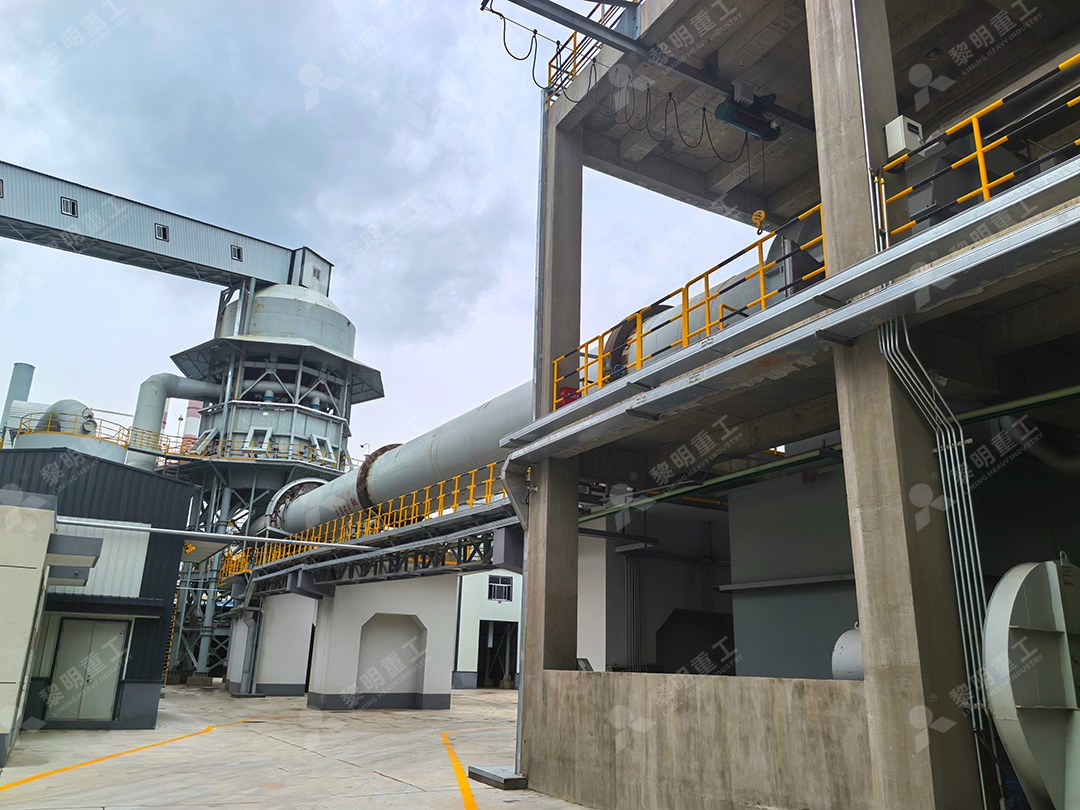
The heart of the cement plant is not the kiln; it is the grinding circuit. Specifically, the raw material grinding stage where limestone, clay, silica sand, and iron ore are prepared into "raw meal." If this stage fails, the kiln stops. If this stage is inefficient, your electricity bill destroys your profit.
In the context of Malaysia's tropical climate and specific geology, choosing the right grinding mill is critical. Today, I want to discuss why shifting from traditional ball mills to modern Vertical Roller Mills (VRM) or advanced European-style Raymond Mills is the operational upgrade your plant needs. Specifically, I will outline why Liming Heavy Industry has become the preferred partner for smart plant owners in Southeast Asia.
The Malaysian Challenge: Moisture and Hardness
Malaysia presents a unique challenge for cement production: Moisture. The limestone in Perak or Kedah is generally of high quality and moderate hardness. However, the clay component is the headache. In a tropical environment with heavy monsoon seasons, raw clay becomes sticky and heavy with water (often exceeding 15-20% moisture).
Traditional ball mills struggle here. They consume immense amounts of energy to grind wet material, often requiring separate, expensive pre-drying systems. This is where modern technology separates the leaders from the followers.
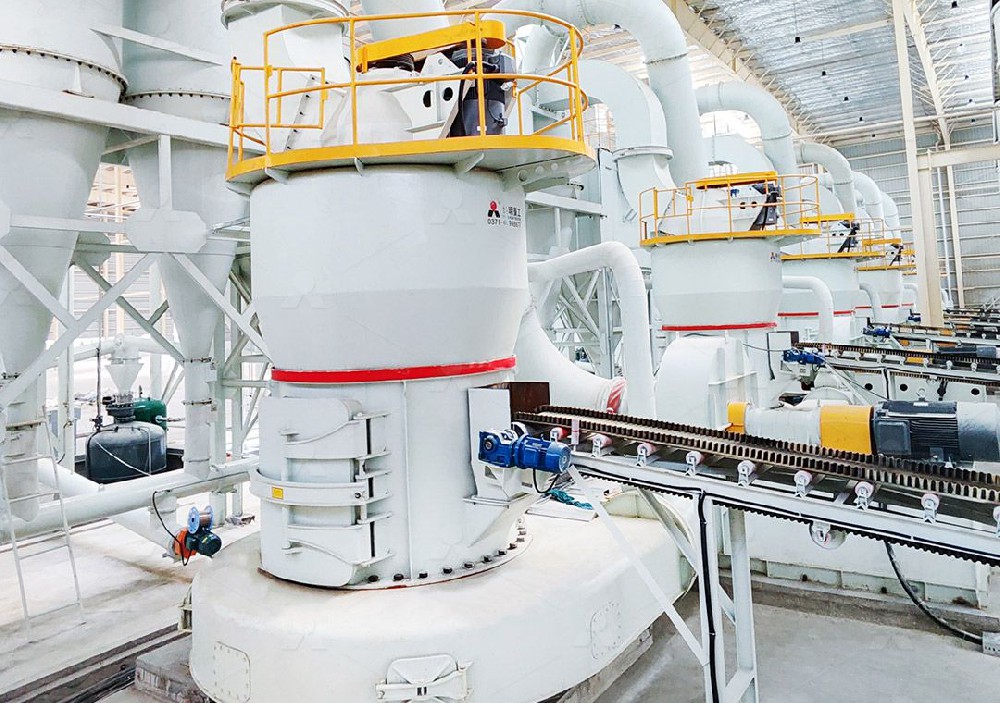
The Heavyweight Champion: Liming LM Vertical Roller Mill (VRM)
For the main raw meal preparation line—typically requiring capacities from 80 to 400+ tons per hour—the Liming LM Vertical Roller Mill is the industry standard. It is no longer a "new technology"; it is the "necessary technology."
1. Integrated Drying and Grinding
This is the single biggest advantage for Malaysian producers. The LM Vertical Mill uses hot gas from the kiln preheater (or an auxiliary source) to dry the material inside the mill. It can handle raw materials with high moisture content without clogging. The hot air sweeps the ground powder upward, drying it instantly.
This eliminates the need for a separate rotary dryer, saving you capital investment and, more importantly, fuel costs. In the rainy season, while your competitors with ball mills are struggling with clogged chutes and wet feed, the LM VRM keeps running smoothly.
2. Energy Efficiency
Cement production is energy-intensive. Grinding accounts for a massive chunk of that consumption. The LM Vertical Mill operates on the principle of material bed grinding—using the pressure of rollers to crush the stone against a rotating table. This is fundamentally more efficient than the random impact of steel balls in a ball mill.
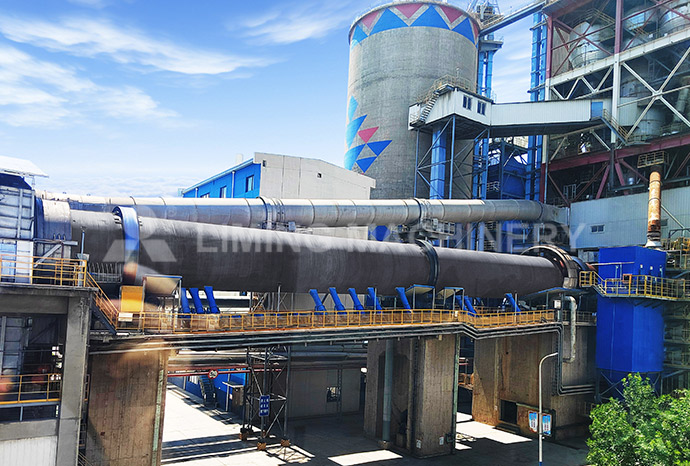
Switching to a Liming LM VRM typically results in a 30% to 50% reduction in power consumption per ton of raw meal produced. Calculate that saving over a year of 24/7 operation, and the ROI becomes undeniable.
3. Stability and Control
Raw meal for cement requires precise chemical balance (LSF, Silica Ratio, Alumina Ratio). The LM mill allows for rapid adjustments. Because the retention time of material inside a VRM is short (minutes vs. roughly 20 minutes in a ball mill), operators can adjust the feed mix and see the results in the product almost immediately. This ensures your kiln gets a consistent, high-quality feed, stabilizing the burning process.
The Versatile Specialist: Liming MTW European Trapezium Mill
Not every grinding application in a cement plant requires a massive VRM. For smaller cement plants, or for grinding specific additives (like gypsum, coal, or correcting materials), the massive VRM might be overkill. This is where the Liming MTW Series (upgraded Raymond Mill) shines.
Many older plants in Malaysia still use traditional pendulum Raymond mills. These are maintenance nightmares with frequent lubrication needs and low efficiency. The MTW Series is the modern evolution of this classic design.
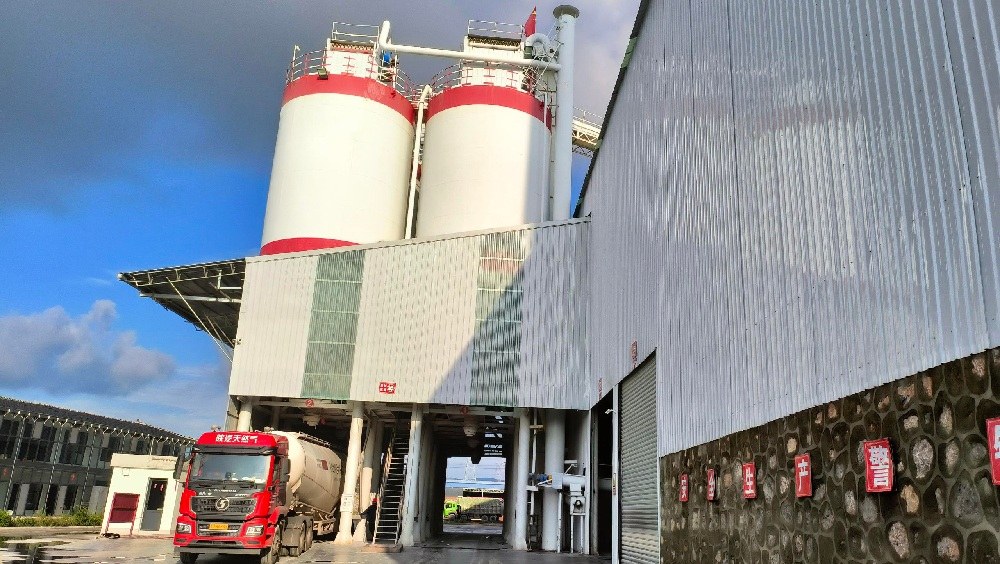
Why the MTW fits the Cement Auxiliary Line:
Coal Grinding: Cement kilns need pulverized coal. The MTW is an excellent, safe, and efficient coal mill. It features explosion-proof designs and produces the fine powder necessary for efficient combustion in the kiln burner pipe.
Gypsum and Additives: For the final cement grinding stage (clinker + gypsum), or for preparing corrective materials for the raw mix, the MTW offers precision. Its integral bevel gear drive minimizes energy loss, and the internal oil lubrication system reduces maintenance downtime significantly compared to older belt-driven mills.
Compact Footprint: For retrofitting existing plants where space is tight, the MTW is ideal. It packs high capacity into a small vertical structure.
Why Liming Heavy Industry?
I have dealt with European suppliers, and I have dealt with various Asian suppliers. Liming Heavy Industry occupies the "Goldilocks" zone—offering European-level design and metallurgy at a price point that makes sense for the Asian market.

Metallurgy Matters: Limestone is abrasive, but the silica content in some Malaysian clay and correcting materials is the real killer of wear parts. Liming uses high-chrome alloy steels for their rollers and table liners. They understand the "wear profile" of cement raw materials. This means you aren't shutting down every two months to hard-face your rollers.
Service in Southeast Asia: The fear of every plant manager is downtime without support. Liming has established a strong presence in the region. They don't just ship a machine; they provide the engineering logic for the entire circuit—from the limestone crusher to the raw meal silo. Their familiarity with the logistical and operational realities of Malaysia makes them a safer bet than distant suppliers with no local footprint.
The Verdict
The days of cheap energy and loose emission standards are gone. To survive and thrive in the Malaysian cement sector, you must optimize your OPEX (Operating Expenditure).
If you are building a new raw meal line or replacing an energy-guzzling ball mill, the Liming LM Vertical Roller Mill is the only logical choice for high-volume, moist-material efficiency.
If you are upgrading your coal mill or need a flexible solution for additives, the Liming MTW Series offers the reliability of the Raymond design with 21st-century engineering.
Don't let your grinding mill be the bottleneck of your profitability.
_1767930055774.jpg)
Frequently Asked Questions (FAQ)
1. Can the LM Vertical Roller Mill handle the high moisture of Malaysian clay during the monsoon?
Yes, absolutely. This is its primary advantage over ball mills. By introducing hot gases from the kiln system directly into the mill, the LM VRM can dry and grind raw materials with moisture contents up to 15-20% efficiently. It acts as a dryer and grinder in one.
2. What is the typical power saving of a VRM compared to a Ball Mill for raw meal?
Generally, you can expect a power saving of 30% to 50% per ton of material. The VRM uses compression (bed grinding) which is far more efficient than the impact and attrition grinding of a ball mill. This lower specific energy consumption is crucial for reducing production costs.
3. Is the MTW Series suitable for grinding clinker?
While the MTW can grind clinker, for large-scale final cement production (Clinker + Gypsum), we usually recommend a dedicated Cement Vertical Mill or a Ball Mill with a Pre-grinding Roller Press. However, for smaller capacity requirements or specialized masonry cements, the MTW is a capable and cost-effective option.
4. How often do the grinding rollers need to be replaced?
This depends on the abrasiveness (silica content) of your limestone and clay. However, Liming uses reversible roller tires and high-wear-resistant alloys. In a typical raw meal application, wear life is significant. Furthermore, the rollers in the LM mill can be flipped to use the other side, doubling the service life before replacement is needed.
5. Do I need a separate building for the mill?
The LM Vertical Mill can be installed outdoors or in a semi-open structure, which is common in Malaysia to aid ventilation and reduce civil construction costs. The enclosed design ensures electrical components are protected, but the main structure is robust enough for outdoor installation.
_1767929649021.jpg)
6. How fine can these mills grind the raw meal?
Both the LM and MTW mills use dynamic air classifiers. They can easily achieve the standard cement raw meal fineness (typically 10-15% residue on 80 microns / 200 mesh) and can be adjusted instantly via the control panel to be finer or coarser depending on your kiln's requirements.
7. What about spare parts availability in Malaysia?
Liming Heavy Industry has a robust supply chain network in Southeast Asia. We recommend keeping a set of critical spares (like roller tires and grinding ring segments) on site, but standard consumables are readily available to ensure minimum downtime.
8. Can the mill handle hard limestone with high silica?
Yes. The LM Vertical Mill utilizes hydraulic pressure which can be adjusted. If the material becomes harder, the hydraulic system increases pressure to maintain grinding efficiency. We also analyze your raw material beforehand to select the correct wear-liner metallurgy.
9. Is the noise level high?
Compared to a ball mill, which is notoriously loud (steel on steel), the Vertical Roller Mill is significantly quieter. There is no metal-to-metal contact during normal operation as there is always a bed of material between the roller and the table. This makes it easier to comply with workplace noise regulations.
10. Can Liming provide the full circuit design?
Yes. We provide EPC (Engineering, Procurement, Construction) services. We don't just sell the mill; we design the feeding system, the hot gas ducting, the dust collection (bag house), and the conveying system to the silo to ensure the whole system works in harmony.


