

Industry News
Quicklime Grinding Mill Factory Direct Supplier for Agriculture and Soil Use in Vietnam
2026-01-26 10:24:32
We are Liming Heavy Industry, a manufacturer of various types of industrial crushers, such as Raymond Mill, Trapezoidal Mill, Vertical Mill, Ultrafine Mill, Ball Mill, etc.
Our mills can process the following minerals:
limestone, quicklime, kaolin, talc, barite, bentonite, calcium carbonate, dolomite, coal, gypsum, clay, carbon black, slag, cement raw materials, cement clinker, etc.
If you need a mill to process stone or minerals into powder, please feel free to contact me (WhatsApp: +86 153 3380 7511). Thank you.
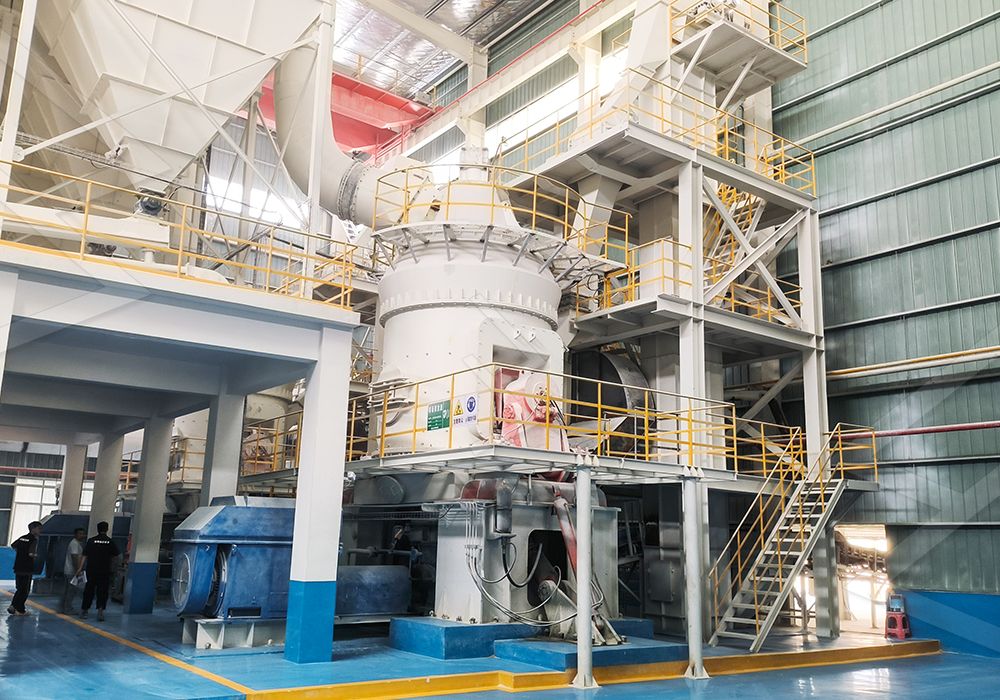
As a veteran in the non-metallic mineral processing industry, I have spent years walking the floors of grinding plants across Southeast Asia. I have seen the challenges local producers face—humidity-clogged machines, soaring electricity costs, and the relentless pressure to produce finer, more reactive powder for the agricultural sector. In Vietnam, where the demand for high-quality quicklime (calcium oxide) is booming for soil conditioning and aquaculture, choosing the right grinding technology isn't just a capital expenditure; it is a strategic move for survival and growth.
_1767930326611.jpg)
Liming is essential for Vietnam's diverse agricultural landscape, from the rice paddies of the Mekong Delta to the rubber plantations in the Central Highlands. However, raw quicklime must be processed to specific particle sizes to be effective. This is where Liming Heavy Industry (LIMING) steps in as a direct factory supplier, offering the industry-standard Raymond Mill and the high-efficiency Vertical Roller Mill (VRM).
The Workhorse of the Industry: The Raymond Grinding Mill
For many medium-sized factories in Vietnam, the Raymond Mill remains the "gold standard." It is a machine born from durability. When processing quicklime for soil stabilization or pH adjustment, you need a system that can handle the abrasive nature of the material without constant downtime.
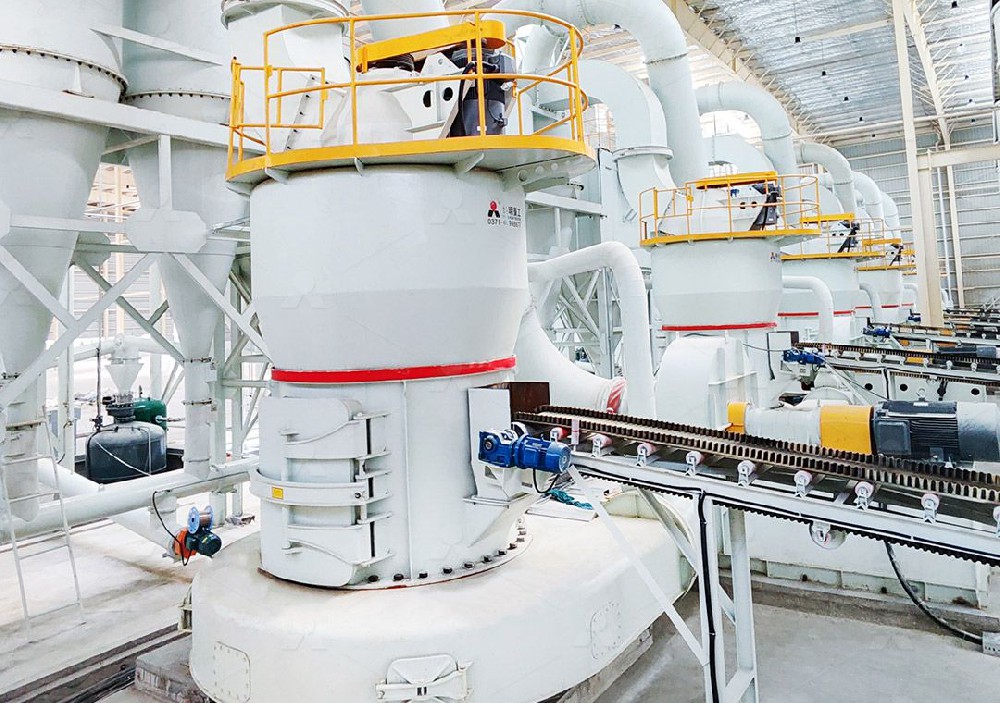
Our latest generation Raymond Mills have evolved significantly from the traditional designs of decades past. We have optimized the grinding roller assembly and the hanger, ensuring that the centrifugal force is maximized. This means you get a more consistent output with less "over-grinding," which is a common energy-waster in cheaper, knock-off machines.
For agricultural lime, where a mesh size of 200 to 325 is often the "sweet spot," the Raymond Mill offers an unbeatable price-to-performance ratio. It is compact, easy to maintain, and—most importantly for the Vietnamese market—it is incredibly resilient to the high ambient humidity that can often cause inferior mills to seize up or lose efficiency.
Scaling Up: The Vertical Roller Mill (VRM) Advantage
If your operation is aiming for industrial-scale supply or requires ultra-fine powders for specialized agricultural chemical applications, the Vertical Roller Mill (LM Series) is the superior choice. In the global shift toward "Green Grinding," the VRM is the undisputed champion of energy efficiency.
_1761355927036.jpg)
The beauty of the VRM lies in its integrated approach. It combines crushing, drying, grinding, and classifying into a single unit. In Vietnam’s rainy season, the ability to introduce hot air into the mill to dry the material while grinding is a game-changer. You no longer need a separate rotary dryer, which saves massive amounts of floor space and fuel.
From a sales perspective, I always tell my clients to look at the Specific Energy Consumption. A Vertical Roller Mill can save between 30% to 50% in electricity compared to traditional ball mills, and about 15-20% compared to standard Raymond mills at higher capacities. When you are running 24/7, those savings go directly to your bottom line.
Why Partner with a Factory-Direct Supplier?
In my years of consulting, I’ve seen too many Vietnamese entrepreneurs buy through third-party "trading agents" only to find that when a bearing fails or a classifier needs recalibrating, the agent is nowhere to be found. Purchasing directly from Liming Heavy Industry offers three distinct advantages:
_1761361296291.jpg)
Customization: We don't just sell a "one-size-fits-all" box. We adjust the alloy composition of the grinding rollers based on the specific Mohs hardness of your quicklime source.
Technical Support: We have a dedicated service footprint in Vietnam. Our engineers understand the local power grid requirements and environmental regulations.
Parts Availability: As the manufacturer, we keep a full inventory of wear parts—rollers, rings, and pressure springs—ready for immediate dispatch.
Impact on Vietnamese Agriculture
Quicklime produced by Liming mills helps Vietnamese farmers combat soil acidification and prevent pathogens in shrimp ponds more effectively. By achieving a precise particle size distribution, the lime reacts faster with the soil, meaning the farmer uses less product to achieve the same pH-balancing result. This creates a value chain where the factory owner wins, and the end-user wins.
Whether you are starting a new lime processing plant in Ninh Binh or upgrading an existing facility in Dong Nai, the choice of mill will define your next ten years of operation. Let’s build a facility that is efficient, dust-free, and highly profitable.
_1761355701097.jpg)
Frequently Asked Questions (FAQ)
1. Which mill is better for quicklime: Raymond Mill or Vertical Roller Mill?It depends on your scale. The Raymond Mill is excellent for small to medium capacities (up to 20 tons per hour) and is cost-effective. The Vertical Roller Mill is better for large-scale production (up to 100+ tons per hour) and offers much higher energy efficiency.
2. Can these mills handle the moisture in Vietnamese lime?Yes. Our Vertical Roller Mills are designed with an air-swept system that allows for simultaneous drying and grinding. For Raymond Mills, we recommend a moisture content below 5% for optimal performance.
3. What is the typical fineness achieved for agricultural use?Most agricultural lime requires a fineness of 80 to 325 mesh. Both our Raymond and Vertical mills can easily reach these levels, with the ability to go as fine as 2500 mesh if using our ultra-fine series.
4. How long do the wear parts (rollers and rings) last?Depending on the abrasiveness of your quicklime, our high-manganese and chromium alloy parts typically last between 8,000 to 12,000 working hours.
5. Do you provide installation services in Vietnam?Absolutely. We send our technical engineers to your site in Vietnam to oversee foundation construction, equipment installation, commissioning, and staff training.
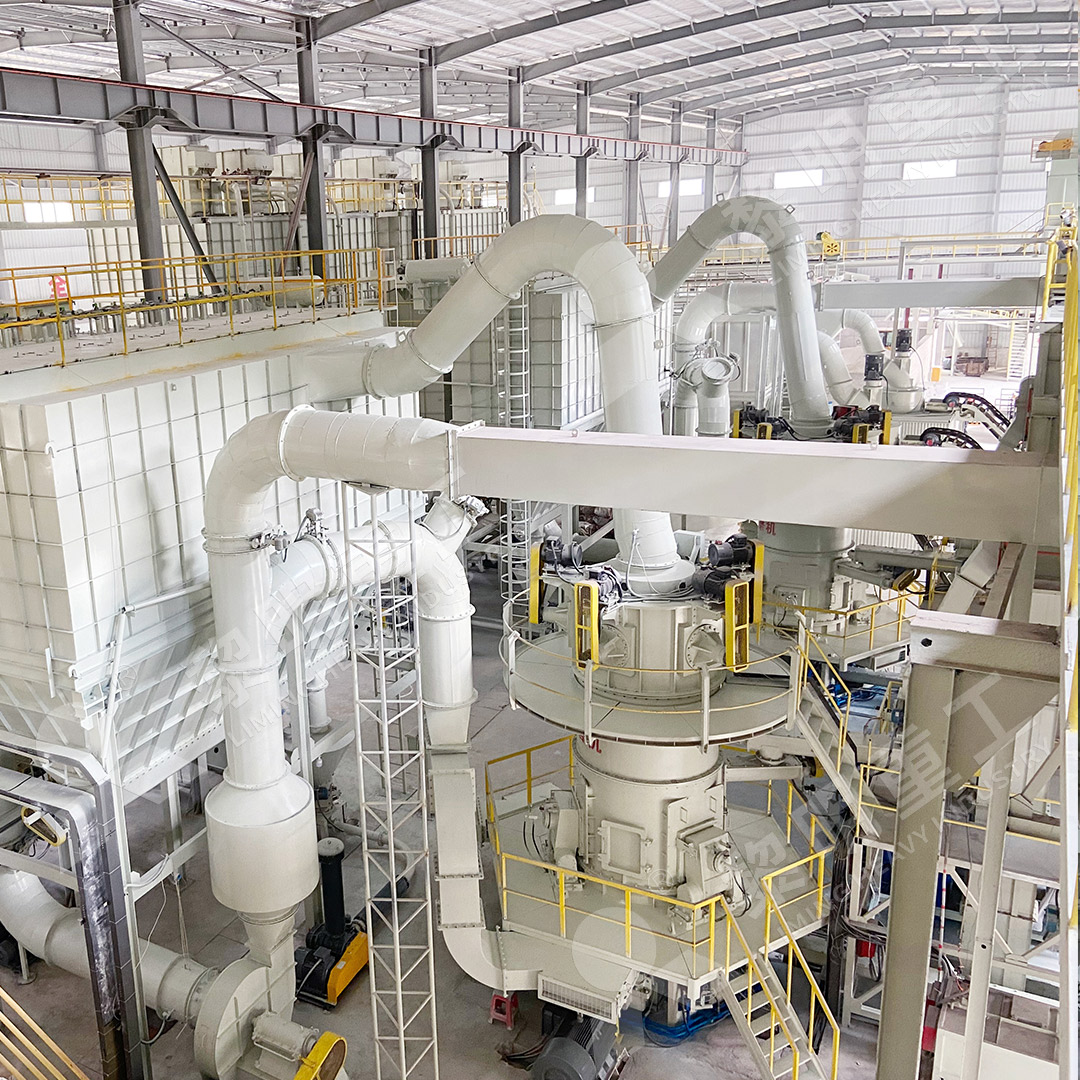
6. How does the Vertical Roller Mill reduce noise and dust?The VRM operates under negative pressure, which prevents dust from escaping. It also features a vibration-damping design that keeps noise levels significantly lower than traditional impact mills.
7. What is the lead time for delivery to Vietnam?Typically, standard models can be shipped within 30 to 45 days. Shipping to major Vietnamese ports like Hai Phong or Ho Chi Minh City usually takes an additional 7 to 10 days.
8. Are spare parts available locally?We maintain a regional hub and work with local partners to ensure that common wear parts are available without waiting for international shipping.
9. Can the mill be used for other materials like limestone or dolomite?Yes, our mills are versatile and can process over 280 types of non-flammable and non-explosive minerals with Mohs hardness below 9.3.
10. Does Liming Heavy Industry offer a warranty?Yes, we provide a one-year warranty on the main machine and comprehensive lifetime technical support.
Would you like me to prepare a detailed technical comparison table between the MTW European Type Raymond Mill and the LM Vertical Roller Mill based on your specific hourly production targets?


