

Industry News
Slag Grinding Mill Solutions for Blast Furnace Cement and Construction Projects in India
2026-01-19 09:15:11
We are Liming Heavy Industry, a manufacturer of various types of industrial crushers, such as Raymond Mill, Trapezoidal Mill, Vertical Mill, Ultrafine Mill, Ball Mill, etc.
Our mills can process the following minerals:
limestone, quicklime, kaolin, talc, barite, bentonite, calcium carbonate, dolomite, coal, gypsum, clay, carbon black, slag, cement raw materials, cement clinker, etc.
If you need a mill to process stone or minerals into powder, please feel free to contact me (WhatsApp: +86 153 3380 7511). Thank you.

The industrial landscape in India is undergoing a massive transformation, driven by large-scale infrastructure projects, smart city initiatives, and a growing emphasis on sustainable building materials. One of the most critical components of this green shift is the utilization of Ground Granulated Blast Furnace Slag (GGBS). To process this byproduct into high-quality cementitious material, selecting the right grinding technology is paramount. Liming Heavy Industry has emerged as a preferred partner for Indian contractors and cement manufacturers, offering two distinct yet powerful solutions: the traditional Raymond Mill and the high-efficiency Vertical Roller Mill (VRM).
Blast furnace slag is a glassy, granular material formed when molten iron slag is rapidly chilled. In its raw state, it is abrasive and often contains significant moisture. For it to be used in "Green Cement" or as a partial replacement for Portland cement in construction, it must be ground to a specific fineness—typically between 400 to 600 m²/kg (Blaine fineness). Achieving this consistently while managing operational costs is the primary challenge for Indian suppliers.

Comparing Grinding Technologies: Raymond Mill vs. Vertical Roller Mill
When planning a slag grinding plant in India, the choice between a Raymond Mill and a Vertical Roller Mill depends largely on the project's scale, budget, and the desired quality of the final product. Both machines from Liming Heavy Industry are engineered to withstand the abrasive nature of slag, but they serve different market segments.
1. Liming Raymond Mill: The Cost-Effective Solution for Small to Medium Projects
The Raymond Mill, often referred to as a pendulum roller mill, has been a staple in the Indian grinding industry for decades. Liming’s upgraded Raymond mills are particularly popular for small-to-medium-scale GGBS production lines where initial capital expenditure (CAPEX) is a concern.
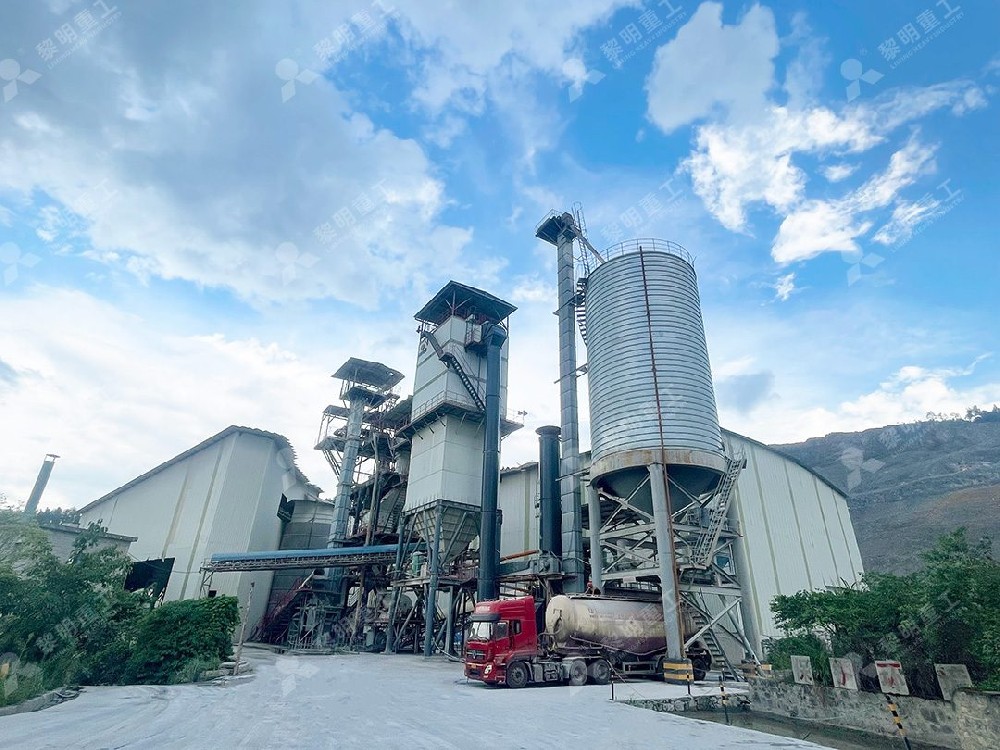
Compact Footprint: The vertical structure of the Raymond Mill integrates crushing, drying, and classification into a single unit, saving valuable floor space on busy Indian construction sites.
Low Investment Risk: Compared to large-scale vertical mills, the Raymond Mill offers a much lower entry barrier for local entrepreneurs and smaller cement blending units.
Stability: It is known for its steady operation and ease of maintenance. For projects in remote areas of India where high-tech technical support might be limited, the mechanical simplicity of the Raymond Mill is a significant advantage.
Fineness Range: It can comfortably produce slag powder in the 80–400 mesh range, which is sufficient for many general construction applications and masonry cements.
2. Liming Vertical Roller Mill (LM Series): The Industrial Powerhouse
For large-scale blast furnace cement plants and major infrastructure suppliers, the Vertical Roller Mill (VRM) is the undisputed leader. Liming’s LM series vertical mills represent the pinnacle of grinding technology, designed to handle the high-volume demands of India’s cement industry.

High Energy Efficiency: Slag grinding is energy-intensive. Liming’s VRM uses a material bed grinding principle, which is 30% to 50% more energy-efficient than traditional ball mills and significantly more efficient than standard Raymond mills for large outputs.
Integrated Drying Capability: Blast furnace slag often has a moisture content of 10-15%. The LM Vertical Mill features an integrated hot air system that dries the material during the grinding process, eliminating the need for a separate dryer.
Superior Product Quality: The VRM produces a more uniform particle size distribution. This results in GGBS with a higher activity index, which is essential for high-strength concrete used in Indian skyscrapers and bridges.
High Capacity: While a Raymond mill might top out at 20-30 tons per hour, Liming’s vertical mills can reach capacities exceeding 100 tons per hour, making them ideal for Tier-1 cement manufacturers.
Why Choose Liming Heavy Industry for Indian Projects?
India’s climate and the specific chemical composition of slag from Indian steel plants (like those in Jamshedpur or Bellary) require robust machinery. Liming Heavy Industry has established a strong presence in the Indian market by focusing on three core areas:
_1767930055775.jpg)
Wear-Resistant Technology: Slag is highly abrasive. Liming uses high-chromium alloy materials for grinding rollers and rings, significantly extending the service life of wear parts and reducing downtime in Indian plants.
Localized Support: Understanding the Indian regulatory and industrial environment, Liming provides comprehensive after-sales service, including installation guidance and technical training for local operators.
Customized Solutions: Whether it is a small-scale project in Rajasthan or a massive cement plant in Andhra Pradesh, Liming offers tailored configurations, ensuring the airflow, pressure, and classification systems are optimized for the specific slag type.
The Future of Slag Grinding in India
As the Indian government tightens environmental regulations and promotes the "Circular Economy," the demand for GGBS will only rise. Transitioning from traditional grinding methods to advanced solutions like Liming’s Vertical Roller Mills allows suppliers to reduce their carbon footprint while increasing profitability. For those just entering the market, the Raymond Mill remains a reliable, "tried-and-tested" gateway into the industry.
By investing in the right equipment, Indian construction and cement projects can ensure they meet the rigorous quality standards required for the nation's 21st-century infrastructure while maintaining a competitive edge in a price-sensitive market.
_1767930055774.jpg)
Frequently Asked Questions (FAQ)
1. What is the main difference between a Raymond Mill and a Vertical Roller Mill for slag?
The main difference lies in scale and efficiency. The Raymond Mill is better for smaller capacities and has a lower initial cost, while the Vertical Roller Mill (VRM) is designed for large-scale production, offers much higher energy efficiency, and includes superior integrated drying capabilities.
2. Can the Raymond Mill produce fine enough GGBS for high-strength concrete?
Yes, modern Raymond mills from Liming can reach up to 400 mesh or higher with advanced classifiers. However, for the very high fineness (Blaine > 450) required in specialized high-performance concrete, a Vertical Roller Mill is usually recommended for better consistency.
3. How does the Vertical Roller Mill handle wet slag?
The Vertical Roller Mill is equipped with a hot air inlet. As the slag is ground on the table, hot air lifts the fine particles and dries them simultaneously. It can handle slag with up to 15% moisture content without needing a pre-dryer.
_1767929649021.jpg)
4. Which mill is easier to maintain in India?
The Raymond Mill is mechanically simpler and often easier for local teams to maintain with basic tools. The Vertical Roller Mill is more complex and uses hydraulic systems, but it features automated monitoring and longer intervals between major part replacements.
5. What is the typical ROI for a Liming Vertical Roller Mill in an Indian slag plant?
While the initial cost is higher, the energy savings (often 30-40% lower electricity bills) and the ability to sell higher-quality GGBS typically result in a Return on Investment (ROI) within 1.5 to 3 years for high-capacity operations.
6. Is it necessary to crush the slag before feeding it into these mills?
Slag from the blast furnace is usually granular (0-10mm). Both the Raymond Mill and VRM can handle this size directly. If the slag is in large lumps (uncommon for granulated slag), a primary crusher would be needed.
7. Does Liming Heavy Industry provide spare parts in India?
Yes, Liming has a well-established supply chain and service network to provide critical wear parts like rollers, grinding rings, and classifier blades to customers across India.
8. Which machine is better for environmental compliance?
The Vertical Roller Mill is generally better for environmental compliance. It operates under negative pressure, which prevents dust leakage, and its higher efficiency leads to a lower overall carbon footprint per ton of material produced.


