

Industry News
Bentonite Grinding Mill for Water Treatment and Chemical Use in Nigeria
2026-01-17 09:09:33
We are Liming Heavy Industry, a manufacturer of various types of industrial crushers, such as Raymond Mill, Trapezoidal Mill, Vertical Mill, Ultrafine Mill, Ball Mill, etc.
Our mills can process the following minerals:
limestone, quicklime, kaolin, talc, barite, bentonite, calcium carbonate, dolomite, coal, gypsum, clay, carbon black, slag, cement raw materials, cement clinker, etc.
If you need a mill to process stone or minerals into powder, please feel free to contact me (WhatsApp: +86 153 3380 7511). Thank you.
Nigeria is a nation endowed with vast mineral resources, and bentonite is one of the most versatile clays found within its borders. Often referred to as "the clay of a thousand uses," bentonite is essential for Nigeria's growing industrial sectors, particularly in water treatment and chemical manufacturing. As the country seeks to diversify its economy and reduce its dependence on imported processed minerals, the establishment of local bentonite processing plants has become a strategic priority. Liming Heavy Industry, a global leader in mineral grinding technology, provides the MTW European Type Raymond Mill and LM Vertical Roller Mill, offering Nigerian entrepreneurs the tools needed to produce high-grade bentonite powder that meets international standards for purity and fineness.
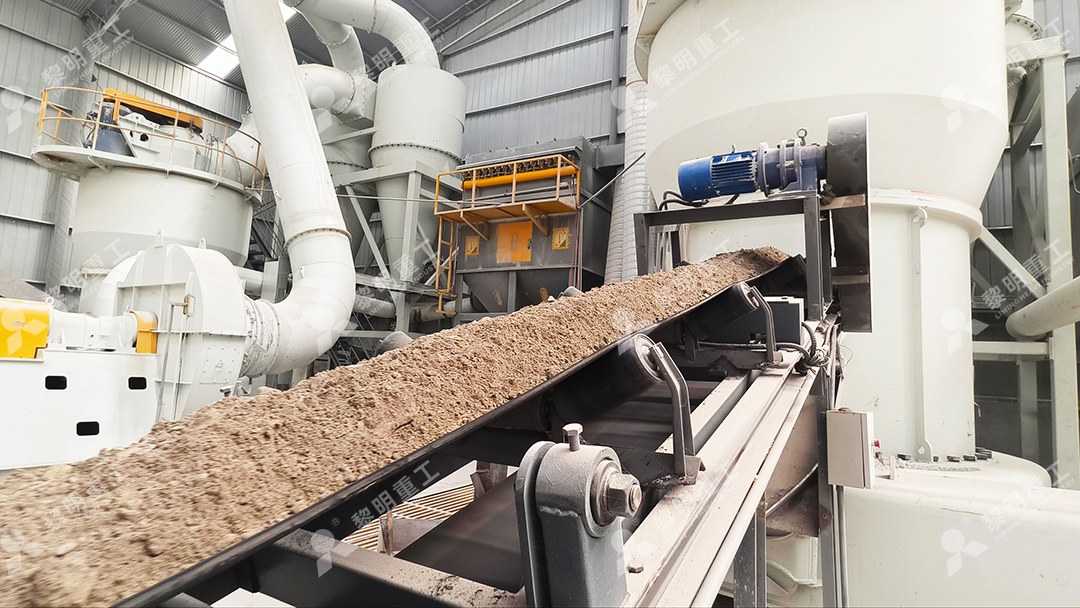
The Industrial Significance of Bentonite in Nigeria
Bentonite is characterized by its strong adsorption properties and high cation exchange capacity. In Nigeria, its applications are expanding rapidly:
Water Treatment: With the increasing need for clean drinking water and industrial wastewater management, bentonite is used as a powerful flocculant and adsorbent to remove heavy metals and organic pollutants.
Chemical Industry: It serves as a thickener, stabilizer, and carrier in detergents, paints, and pharmaceuticals.
Oil and Gas: While this article focuses on chemicals and water, it is worth noting that processed bentonite is the primary component of drilling mud used in Nigeria's oil fields.
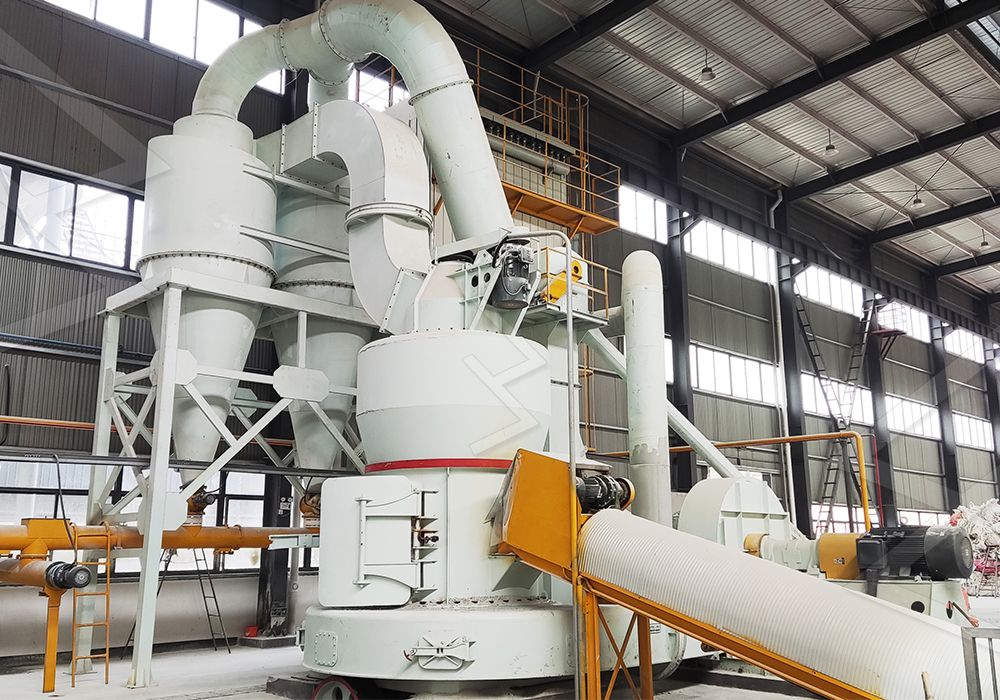
To be effective in these applications, raw bentonite must be ground into a fine powder. The effectiveness of bentonite in adsorbing toxins is directly related to its specific surface area. Mathematically, as the particle radius r decreases, the total surface area A for a constant volume V increases significantly. The relation can be expressed as: This highlights why precision grinding is non-negotiable for Nigerian processors.
Why Local Processing is Critical for Nigeria (Click to Expand)
Nigeria currently spends significant foreign exchange on importing processed industrial clays. By utilizing local deposits in states like Ebonyi, Borno, and Kogi, and processing them with high-efficiency mills, Nigerian companies can:
Reduce production costs by over 40% compared to imports.
Ensure a steady supply chain for local chemical plants.
Create jobs and support the "Made in Nigeria" initiative.
Export high-value processed bentonite to neighboring West African markets.
MTW European Type Raymond Mill: Ideal for Chemical Applications
For chemical manufacturers in Nigeria who require medium to high fineness (typically between 200 and 425 mesh), the MTW Series Raymond Mill is the most recommended solution. This mill is an upgrade over traditional designs, featuring a bevel gear integral drive and an optimized internal lubrication system.
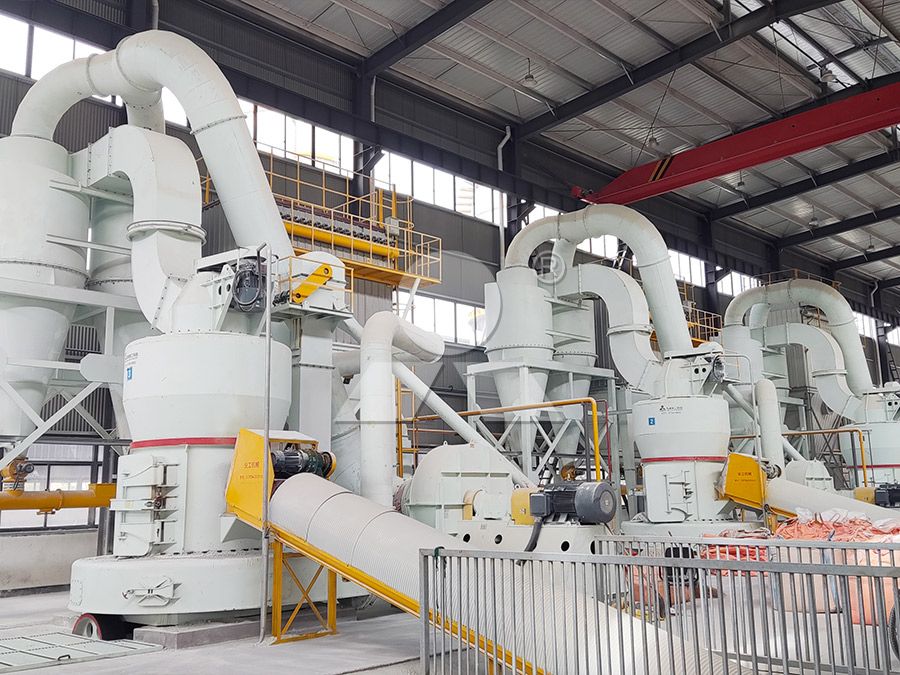
Advantages for the Chemical Sector:
Higher Purity: The MTW mill maintains a stable grinding environment, ensuring the chemical properties of the bentonite are not compromised by excessive heat or contamination.
Energy Efficiency: The auxiliary power consumption is lower than traditional mills, critical in regions where electricity costs are a factor.
Small Footprint: Its compact design allows it to be integrated into existing chemical processing facilities without massive structural changes.
LM Vertical Roller Mill: Large Scale Water Treatment Solutions
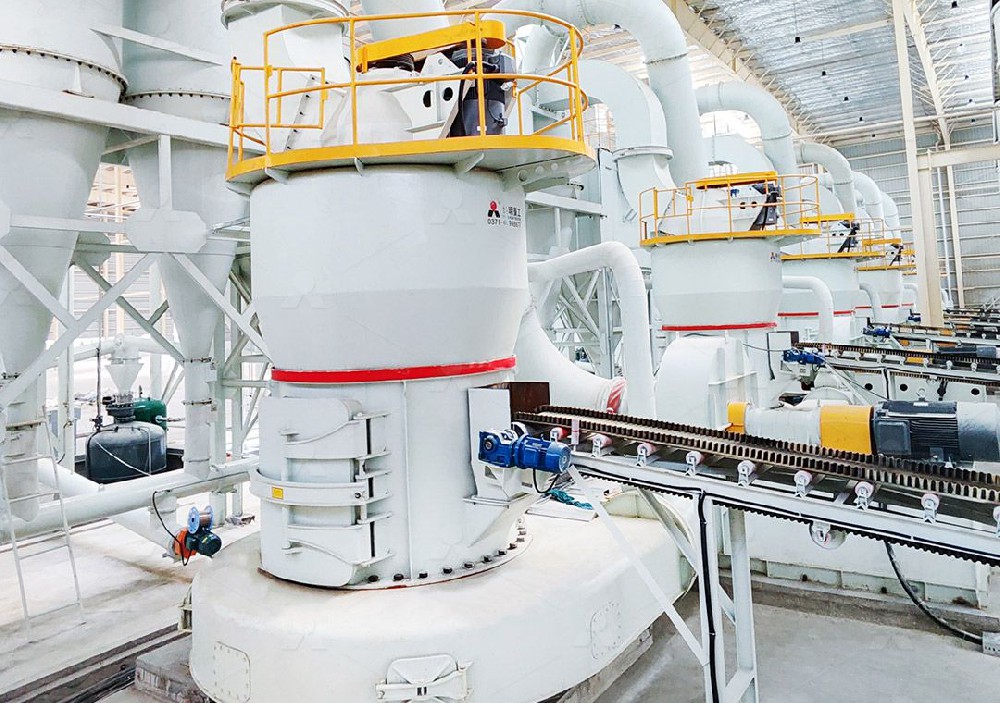
When the requirement is for high-volume production, such as supplying municipal water treatment projects or large-scale industrial filtration, the LM Vertical Roller Mill (VRM) is the superior choice. This machine integrates crushing, drying, grinding, and classifying into one system.
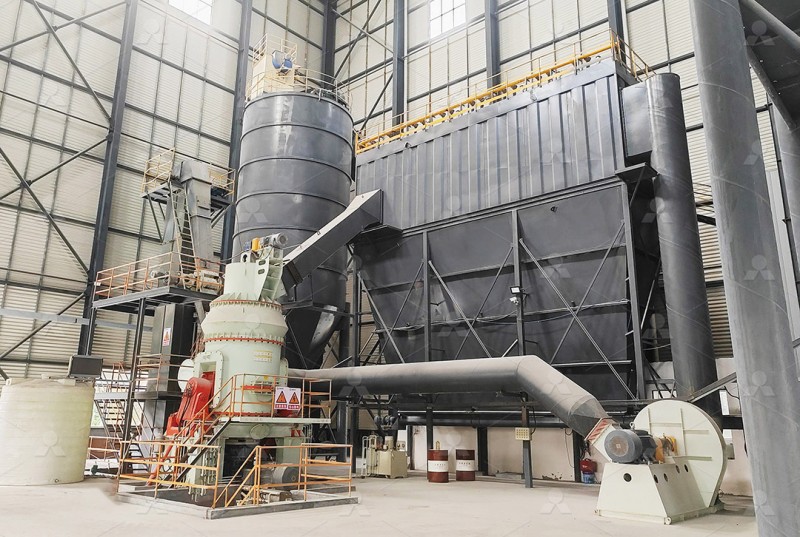
Nigerian bentonite often contains a certain degree of natural moisture. The LM mill excels here by using hot air to dry the clay during the grinding process. This eliminates the need for a separate rotary dryer, saving both space and fuel costs. The ability to control the particle size distribution precisely ensures that the bentonite reacts perfectly as a flocculant in water treatment tanks.
Technical Comparison: MTW vs. LM Mill (Click to View Table)
| Feature | MTW Raymond Mill | LM Vertical Roller Mill |
|---|---|---|
| Feed Size | < 35 mm | < 50 mm |
| Capacity | 3 - 50 TPH | 10 - 100 TPH |
| Final Fineness | 80 - 425 mesh | 170 - 325 mesh |
| Drying Capability | Limited | Excellent (Integrated) |
Environmental Protection and Dust Control
In Nigeria, industrial zones are becoming stricter regarding environmental pollution. Grinding bentonite produces fine dust which, if not controlled, can be a health hazard and result in product loss. Liming's grinding systems operate under a negative pressure environment. The pulse dust collector included in these systems ensures that more than 99.9% of the dust is collected, resulting in a clean factory environment and zero wastage of the final bentonite powder.
Service and Support in Nigeria
Liming Heavy Industry understands the unique challenges of the Nigerian market, including power fluctuations and the need for localized technical support. We provide:
Turnkey Project Design: We don't just sell a machine; we design the entire flow, from raw clay intake to the final packaging unit.
Expert Installation: Our engineers are available for on-site installation and commissioning in Nigeria, ensuring the mill is calibrated for the specific hardness of Nigerian bentonite.
Wear Parts Supply: We maintain a stock of high-chrome grinding rollers and rings, which are essential for long-term operation. Using original specifications ensures the machine maintains its efficiency.
Conclusion
The potential for bentonite processing in Nigeria is enormous. Whether used for purifying water in booming urban centers like Lagos and Abuja or as a chemical additive in Kano and Port Harcourt, high-quality ground bentonite is a vital commodity. By choosing the advanced milling technology of Liming Heavy Industry, Nigerian entrepreneurs can transform raw geological resources into high-value industrial products. Investing in an MTW Raymond Mill or an LM Vertical Roller Mill is not just a purchase of equipment—it is an investment in the industrial future of Nigeria.
_1761361296294.jpg)
Frequently Asked Questions (FAQ)
1. What is the best fineness for bentonite used in water treatment?
Typically, a fineness of 200 to 325 mesh is ideal for water treatment, as it provides enough surface area for effective adsorption without being too difficult to manage in filtration systems.
2. Can the MTW mill handle wet bentonite from Nigerian mines?
Bentonite with moisture above 6% should ideally be dried first. If your raw material is consistently wet, the LM Vertical Roller Mill is a better option because it dries while it grinds.
3. How long do the grinding rollers last?
For bentonite, which is relatively soft, the rollers in an MTW mill can last between 10,000 to 15,000 hours, depending on the silica content of the clay.
4. Does Liming provide training for Nigerian operators?
Yes, as part of our commissioning service, we provide comprehensive training on the 'plc_control_system' and daily maintenance routines for your local staff.
_1761355701097.jpg)
5. Is bentonite grinding a dusty process?
With Liming's closed-circuit system and pulse dust collectors, the process is extremely clean. The system maintains negative pressure, so no dust leaks out.
6. Can these mills be used for other Nigerian minerals like limestone or gypsum?
Absolutely. Both the MTW and LM mills are highly versatile and can be used for over 280 types of non-metallic minerals found in Nigeria.
7. How do I choose between an MTW and an LM mill?
If you need a capacity under 20 tons per hour and high fineness, choose the MTW. If you need massive output (50+ TPH) and have high moisture raw materials, the LM is the better choice.
8. What is the power requirement for these mills?
Power requirements vary by model. For example, a medium-sized MTW138 requires a total installed power of approximately 132 kW. We can help you size your generator accordingly.
9. Are spare parts easy to find in Nigeria?
Liming works with partners to ensure a steady supply of wear parts. We recommend keeping a "Critical Spare Kit" on-site to avoid any downtime.
10. How do I get a quote for a bentonite plant in Nigeria?
Contact our sales team with your required capacity (tons per hour) and the final mesh size you need. We will provide a detailed technical proposal and price list.


