

Industry News
Price of Raymond Mill for Limestone in Cement Production
2025-12-18 09:14:27
We are Liming Heavy Industry, a manufacturer of various types of industrial crushers, such as Raymond Mill, Trapezoidal Mill, Vertical Mill, Ultrafine Mill, Ball Mill, etc.
Our mills can process the following minerals:
limestone, quicklime, kaolin, talc, barite, bentonite, calcium carbonate, dolomite, coal, gypsum, clay, carbon black, slag, cement raw materials, cement clinker, etc.
If you need a mill to process stone or minerals into powder, please feel free to contact me (WhatsApp: +86 153 3380 7511). Thank you.
Limestone is one of the most essential raw materials in modern cement production. As the industry moves toward higher efficiency and lower energy consumption, the demand for reliable and stable limestone grinding equipment continues to grow. Among various grinding technologies available, the Raymond mill has long been recognized as a practical and economical solution for medium-fine powder production. Its ability to produce uniform particle size, stable performance, and relatively low investment cost makes it suitable for cement plants of different scales.
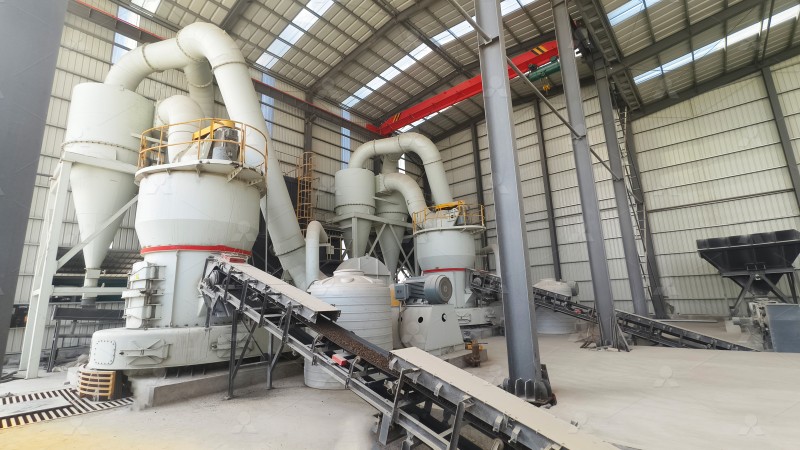
In cement manufacturing, limestone is typically crushed and then ground into fine powder before entering the calcination stage. The quality of this powder plays a decisive role in clinker formation and ultimately in the strength and consistency of the final cement. A well-designed Raymond mill helps maintain a steady feed size, proper fineness, and minimal oversize particles, which directly contributes to reducing heat consumption in kilns and improving clinker quality.
When evaluating the price of a Raymond mill for limestone, several factors influence the final investment:
First, capacity significantly affects the overall cost. Small and medium cement plants commonly choose mills with capacities ranging from 3 to 20 t/h. Larger installations may require higher throughput models with enhanced structural strength and more advanced classification systems. As the capacity increases, the price naturally rises due to heavier components, stronger motors, and additional safety and control systems.
Second, the required fineness impacts the selection of classifier configuration and milling chamber design. Cement manufacturers often need limestone powder between 80 and 325 mesh. The finer the product, the more precise the internal classification, which may increase equipment cost. Higher fineness also demands better wear-resistant materials to maintain stable output over long periods.
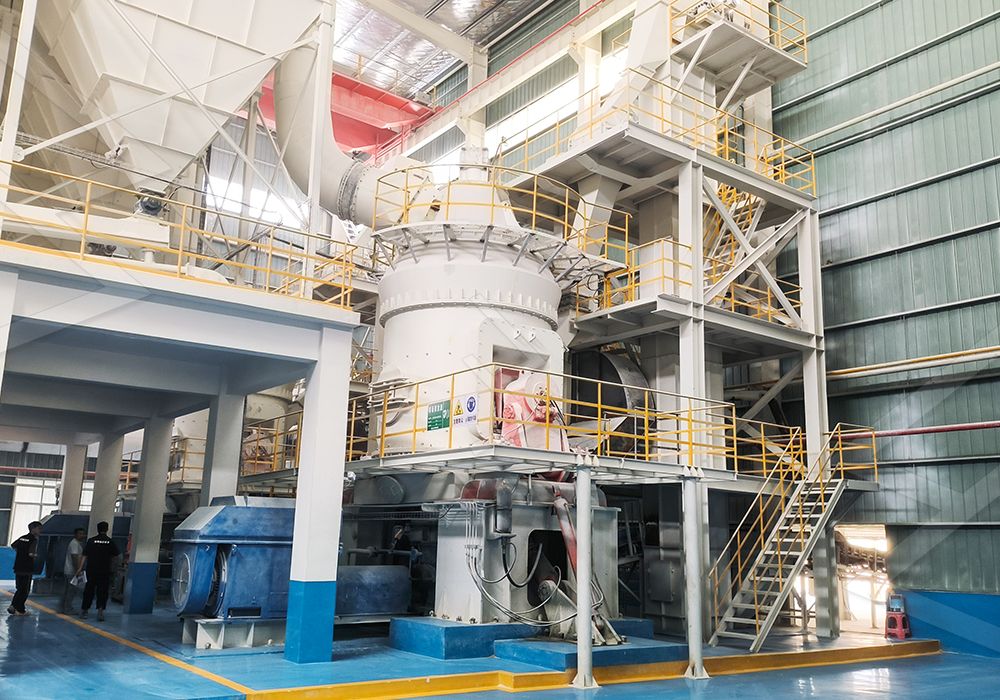
Third, material hardness and moisture level influence the cost of wear parts and motor power. Although limestone is generally soft, some deposits contain impurities such as silica or clay. These impurities can accelerate wear and require mills equipped with upgraded grinding rollers, rings, and other critical components. Moisture also affects drying requirements—plants processing damp limestone may need an integrated hot air system, which increases initial investment.
Fourth, automation and environmental standards play an important role. Cement plants are increasingly subject to strict dust control and energy efficiency regulations. Modern Raymond mills with pulse dust collectors, intelligent frequency control, and centralized plumbing systems tend to cost more but significantly improve long-term operating reliability. Choosing an energy-efficient mill reduces electricity expenses and ensures compliance with cement plant environmental audits.
_1761361296291.jpg)
The geographical location and supplier capabilities also influence the overall cost. Transporting large industrial equipment can account for a considerable portion of the budget. Selecting a manufacturer with nearby service networks helps reduce shipping expenses and speeds up installation. Furthermore, equipment from established suppliers usually reflects a higher initial price but offers better stability, long service life, and stronger after-sales support, which lowers the total cost of ownership.
In recent years, vertical grinding mills have also become widely used for limestone in cement plants because of their high drying capacity and excellent energy performance. Compared with traditional solutions, vertical mills handle larger raw material sizes, operate with reduced power consumption, and deliver more consistent particle distribution. For cement producers looking to modernize their grinding sections, combining Raymond mills for fine grinding with vertical mills for large-scale production is often an efficient solution.
Companies searching for reliable limestone grinding equipment frequently choose machines from Liming Heavy Industry. Their Raymond mills feature stable operation, uniform fineness, and durable wear parts, making them ideal for cement raw material preparation. Meanwhile, their vertical mills offer high drying efficiency, strong output capacity, and lower energy consumption, which meet the needs of modern cement production lines. With comprehensive technical support and long-term service capabilities, these machines help cement plants maintain consistent quality and reduce operational costs.
_1761355701097.jpg)
FAQ
1. What capacity of Raymond mill is suitable for limestone in cement plants?
Most cement plants use mills with capacities between 3 t/h and 20 t/h, depending on clinker line size and raw meal demand.
2. What fineness of limestone powder is commonly required?
Cement production typically requires limestone powder between 80–325 mesh for stable raw meal composition.
3. Which factors influence the price of a Raymond mill?
Capacity, product fineness, wear-resistant materials, automation level, environmental systems, and supplier support all affect the overall cost.
4. Why do some cement plants prefer vertical mills?
Vertical mills provide strong drying capacity, lower energy use, and more stable particle size distribution, especially when handling raw materials with moisture.
5. Are Liming Heavy Industry Raymond mills suitable for cement production?
Yes. Their Raymond mills and vertical mills are widely used in cement raw material grinding due to reliable performance, fine product quality, and strong after-sales service.


