

Industry News
Cement raw materials grinding mill for limestone, clay, and industrial cement in Malaysia
2025-12-09 09:35:15
We are Liming Heavy Industry, a manufacturer of various types of industrial crushers, such as Raymond Mill, Trapezoidal Mill, Vertical Mill, Ultrafine Mill, Ball Mill, etc.
Our mills can process the following minerals:
limestone, quicklime, kaolin, talc, barite, bentonite, calcium carbonate, dolomite, coal, gypsum, clay, carbon black, slag, cement raw materials, cement clinker, etc.
If you need a mill to process stone or minerals into powder, please feel free to contact me (WhatsApp: +86 153 3380 7511). Thank you.
Cement raw materials such as limestone, clay, and industrial additives require stable and efficient grinding equipment to meet the production standards of Malaysian cement plants. In modern cement manufacturing, the quality of the raw meal directly determines kiln stability, clinker quality, and overall energy consumption. Therefore, selecting a reliable grinding system is one of the most important decisions for plant designers and investors.
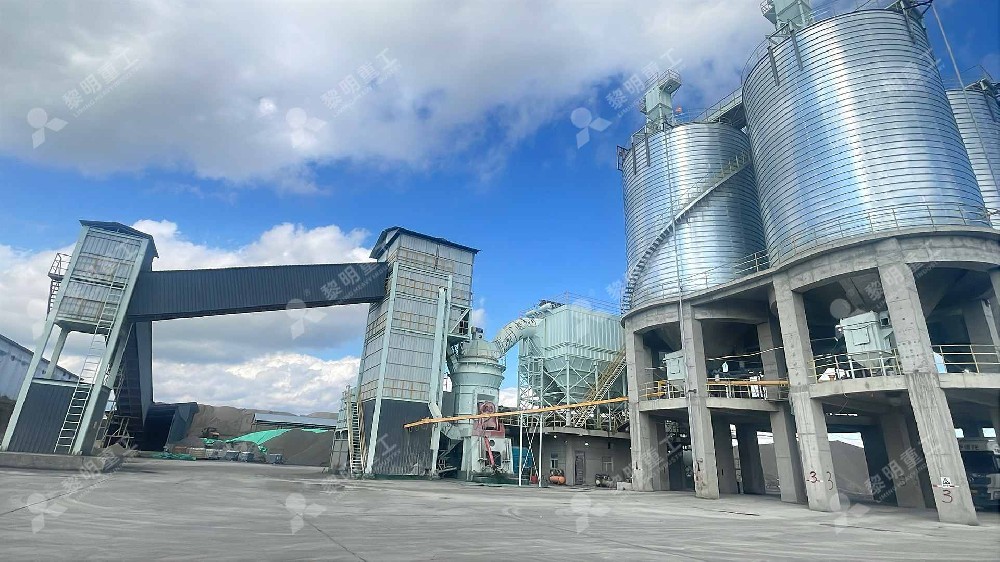
In Malaysia, cement producers are increasingly focusing on energy-saving technologies, high efficiency, and equipment capable of continuous, large-scale operation. Limestone and clay, as the main components of cement raw materials, must be ground into fine and uniform powder before entering the homogenization silo. Limestone typically requires grinding to around 200–325 mesh, while clay needs stable moisture control and consistent particle size. Industrial additives such as shale, laterite, and silica sand also require precision grinding to ensure the chemical composition stays within strict limits.
For this application, Raymond mill and vertical grinding mill have become two widely accepted solutions due to their reliability, stable performance, and cost-effectiveness. Liming Heavy Industry, a professional grinding equipment manufacturer, offers these two types of mills designed specifically for raw material preparation in cement plants.
Raymond mill is suitable for small to medium raw meal production lines. It offers stable particle size control and is ideal for limestone and clay with moderate hardness. Its classic grinding structure uses rollers to exert pressure on the grinding ring, achieving uniform and fine powder. The airflow system ensures continuous, dust-free operation. It is commonly used in cement plants where production requirements are below 20 tons per hour or where layout simplicity is preferred. Raymond mill also features low investment cost and easy maintenance, making it a practical choice for many Malaysian clients.
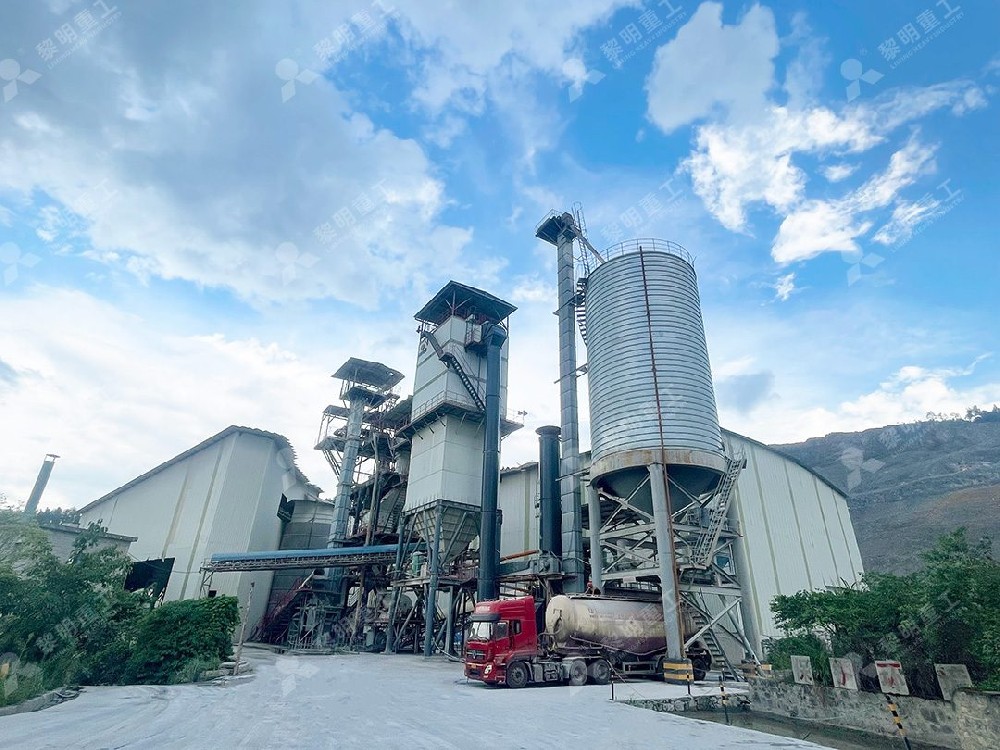
However, when cement factories require higher capacity, better moisture control, and integrated functions, vertical grinding mill becomes the preferred solution. Vertical mills combine drying, grinding, and powder selection within one system. This allows them to process materials with higher moisture content—an important advantage in Malaysia’s humid climate. Limestone, clay, and even industrial by-products such as slag can be ground efficiently. The material stays on the grinding table, where multiple rollers exert strong pressure to achieve fine powder with uniform distribution.
Vertical mills are well-known for their energy efficiency. Compared with traditional ball mills, they can reduce energy consumption by 30–50%. They also improve the stability of raw meal fineness, which is crucial for ensuring smooth rotary kiln operation. In Malaysian cement plants that operate continuously year-round, lower power consumption and stable long-term operation significantly reduce production costs.
Another important advantage is environmental protection. Vertical mills operate within a closed system with efficient dust collection. This meets the environmental requirements for cement production projects in Malaysia, where regulations are becoming stricter. The integrated design also reduces construction area and equipment quantity, speeding up the installation process and lowering overall investment.
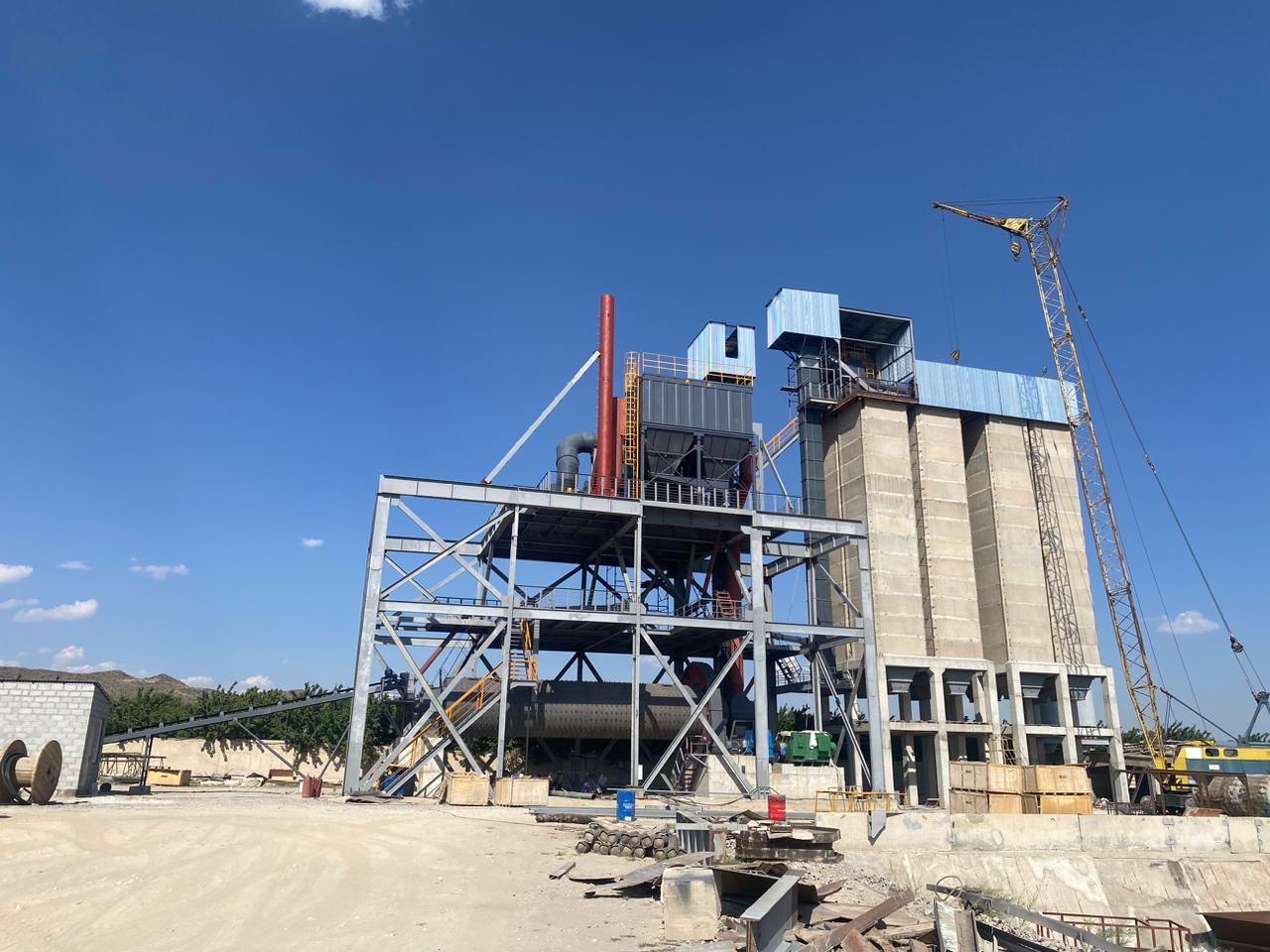
Liming Heavy Industry provides Raymond mills and vertical mills in multiple specifications to support different production scales. Both equipment types can be configured with intelligent control systems, reducing labor requirements and improving operational safety. The company has accumulated decades of experience in mineral grinding and serves customers in more than 100 countries. For cement raw material processing, their solutions offer high stability, compatibility with a wide range of materials, and long-term economic benefits.
Whether a plant is upgrading an existing line or building a new production facility, choosing the right grinding mill is essential. Raymond mills are ideal for smaller capacity raw material grinding, while vertical mills are the optimal choice for large-scale, energy-efficient cement projects in Malaysia. With proper equipment selection, cement companies can improve raw meal quality, reduce energy consumption, and achieve stable long-term production.
_1761355927036.jpg)
FAQ
1. What is the recommended grinding mill for limestone and clay in Malaysian cement plants?
Raymond mills are suitable for small to medium capacity, while vertical mills are recommended for large-scale and energy-efficient production.
2. Can vertical mills handle materials with high moisture?
Yes. Vertical mills integrate drying and grinding, making them ideal for Malaysia’s humid environment and materials like clay with higher water content.
3. What particle size is required for cement raw meal?
Most cement plants grind limestone and clay to around 200–325 mesh to ensure proper kiln stability and clinker formation.
4. Are Raymond mills cost-effective for small cement plants?
Yes. Raymond mills offer low investment, easy maintenance, and stable output, making them suitable for smaller raw material grinding systems.
5. How much energy can be saved using vertical mills compared to ball mills?
Vertical mills typically reduce energy consumption by 30–50%, lowering long-term operating costs significantly.
6. Can one grinding system process limestone, clay, and additives together?
Yes. Vertical mills can grind multiple raw materials simultaneously and maintain uniform fineness.
7. Why choose Liming Heavy Industry for cement raw material grinding equipment?
The company offers reliable Raymond mills and vertical mills with stable performance, strong technical support, and long-term operational durability.
8. Are these mills suitable for continuous 24-hour cement plant operation?
Yes. Both Raymond and vertical mills are designed for stable long-term industrial use and continuous production.


