

Industry News
Cement Clinker Grinding Mill for Large-Scale Cement Plants in India – Fast Delivery Worldwide
2025-12-01 08:36:10
We are Liming Heavy Industry, a manufacturer of various types of industrial crushers, such as Raymond Mill, Trapezoidal Mill, Vertical Mill, Ultrafine Mill, Ball Mill, etc.
Our mills can process the following minerals:
limestone, quicklime, kaolin, talc, barite, bentonite, calcium carbonate, dolomite, coal, gypsum, clay, carbon black, slag, cement raw materials, cement clinker, etc.
If you need a mill to process stone or minerals into powder, please feel free to contact me (WhatsApp: +86 153 3380 7511). Thank you.
The rapid expansion of India's construction and infrastructure sectors continues to drive demand for high-quality cement. As production capacity increases across major plants, the efficiency of clinker grinding systems has become a decisive factor in determining output stability, product fineness, and overall energy consumption. Modern cement manufacturers are replacing outdated grinding equipment with advanced vertical grinding mills that offer higher capacity, lower power usage, and more stable production under large-scale operation.

Clinker is the core ingredient in cement. Its grindability directly influences the quality and strength grade of the final product. In high-capacity cement plants, traditional ball mills often struggle to provide consistent fineness, uniform particle distribution, and energy-efficient performance. In contrast, vertical grinding mills have emerged as the leading solution, providing strong adaptability to different clinker compositions, reliable operating stability, and the ability to meet the strict fineness requirements for OPC, PPC, and slag-blended cement.
India's cement sector is also experiencing a shift toward sustainable production. Major manufacturers are adopting energy-efficient grinding technology to reduce operating costs and minimize carbon emissions. Vertical grinding systems align with these goals by reducing energy consumption by 30–40% compared with conventional grinding technologies. Their compact layout and integrated drying functions make them particularly suitable for regions with high moisture clinker or additives.
A key advantage of modern vertical grinding mills is the integration of crushing, grinding, grading, and powder collection into a single machine. This eliminates redundant processes and minimizes material handling. The grinding roller applies strong pressure on the material bed, producing finer particles while reducing metal wear. The built-in classifier ensures precise control of product fineness, allowing producers to meet diverse cement-grade requirements without additional equipment or system modifications.
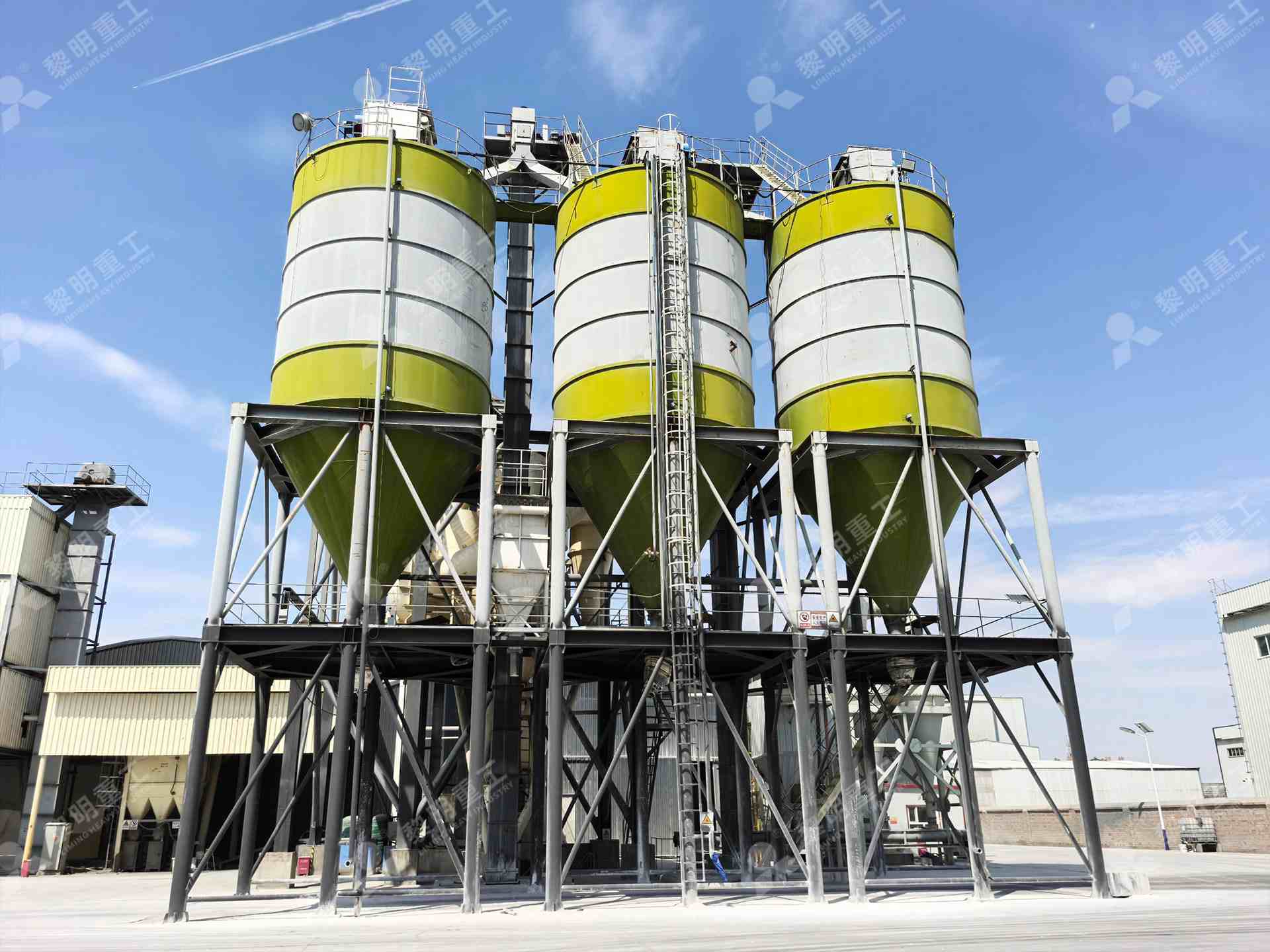
For large-scale cement plants operating continuously, equipment reliability is as important as energy efficiency. Stable operation reduces downtime, lowers maintenance costs, and ensures consistent product quality. Vertical mills offer a sealed, vibration-reduced structure that enhances equipment durability under heavy loads. Their automated control systems allow real-time adjustments to grinding pressure, feeding quantity, and classifier speed, maintaining stable production even when raw clinker hardness fluctuates.
To support the needs of high-capacity plants in India, vertical grinding mills from Liming Heavy Industry provide a strong combination of large output, high grinding efficiency, and long-term operational stability. These mills handle a wide range of materials, including clinker, gypsum, slag, fly ash, and limestone, enabling integrated cement production lines to operate with fewer auxiliary machines. The optimized airflow design improves powder selection efficiency, reduces circulation load, and ensures uniform final product fineness.
One of the major benefits for Indian cement producers is the ability to achieve large throughput with a single unit. Vertical mills can easily reach production capacities suitable for 1–5 million tons per year cement lines, meeting the demands of large enterprises that require robust and scalable grinding solutions. Their modular design allows easy maintenance access, reducing system downtime and ensuring uninterrupted operation during peak production cycles.
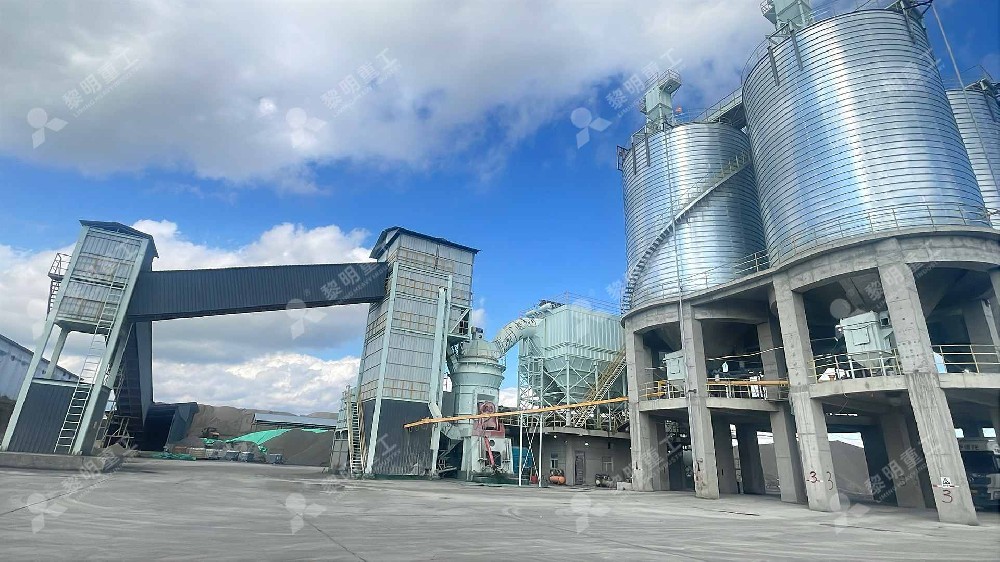
Global delivery capability is another important factor. Cement plants often face tight project schedules and cannot afford delays in equipment installation. Fast delivery services enable companies to receive complete grinding systems, critical wear parts, and technical support in significantly shorter timeframes. Liming Heavy Industry supports customers with rapid logistics and international service teams, ensuring smooth commissioning and long-term technical assistance.
India's cement market continues to evolve, with growing expectations for energy-saving, environmentally friendly, and high-output equipment. Vertical mills align perfectly with these goals, offering proven performance in large industrial projects worldwide. For manufacturers seeking to upgrade clinker grinding capacity, reduce energy consumption, and enhance product quality, this technology provides a reliable long-term investment.
High efficiency, integrated functions, strong adaptability, and dependable global support make vertical grinding mills an ideal choice for large-scale cement plants looking to expand production and remain competitive in an increasingly demanding market.
FAQ
1. What is the main advantage of using a vertical mill for clinker grinding?
A vertical mill integrates grinding, drying, and classifying in one unit, offering higher efficiency and lower energy consumption compared with traditional systems.
2. Can a vertical mill handle materials other than clinker?
Yes. It can process gypsum, slag, fly ash, limestone, and other additives commonly used in modern cement production.
3. Is a vertical mill suitable for large cement plants in India?
It is highly suitable due to its large output capacity, stable operation, and lower operating costs, meeting the needs of high-demand production lines.
4. How does a vertical mill reduce energy usage?
The grinding process relies on material-bed pressure rather than steel-impact grinding, reducing energy consumption by up to 40%.

5. Does the mill support fast delivery for international projects?
Yes. Fast worldwide delivery and comprehensive technical support ensure efficient installation and commissioning.
6. Can product fineness be adjusted easily?
The built-in classifier allows flexible control of fineness to meet requirements for various cement grades.
7. What factors influence the selection of mill size?
Required production capacity, clinker hardness, target fineness, and plant layout determine the appropriate mill configuration.
8. Are maintenance requirements high for vertical mills?
Maintenance is simplified due to modular components, reduced wear rates, and easy access to grinding parts.


