

Industry News
Buy Gypsum Grinding Mill for Wallboard and Plaster Production in India
2025-11-30 15:32:11
We are Liming Heavy Industry, a manufacturer of various types of industrial crushers, such as Raymond Mill, Trapezoidal Mill, Vertical Mill, Ultrafine Mill, Ball Mill, etc.
Our mills can process the following minerals:
limestone, quicklime, kaolin, talc, barite, bentonite, calcium carbonate, dolomite, coal, gypsum, clay, carbon black, slag, cement raw materials, cement clinker, etc.
If you need a mill to process stone or minerals into powder, please feel free to contact me (WhatsApp: +86 153 3380 7511). Thank you.
Gypsum is one of the most widely used industrial minerals in India's construction and building materials industry. It plays an essential role in the production of wallboards, plaster, cement additives, putty powders, and decorative materials. As the demand for faster, more energy-efficient, and cost-effective housing continues to grow across India, the need for stable and high-quality gypsum powder production has increased significantly. To achieve consistent fineness and reliable output, professional grinding equipment is the key.
India's gypsum resources are abundant across Rajasthan, Gujarat, Tamil Nadu, and parts of Uttar Pradesh. Whether natural gypsum, desulfurization gypsum, or phosphogypsum, all require proper drying and grinding before being used in industrial formulations. A high-performance gypsum grinding mill ensures uniform particle size, improves product strength, reduces curing time, and enhances the overall performance of wallboards and plaster products.
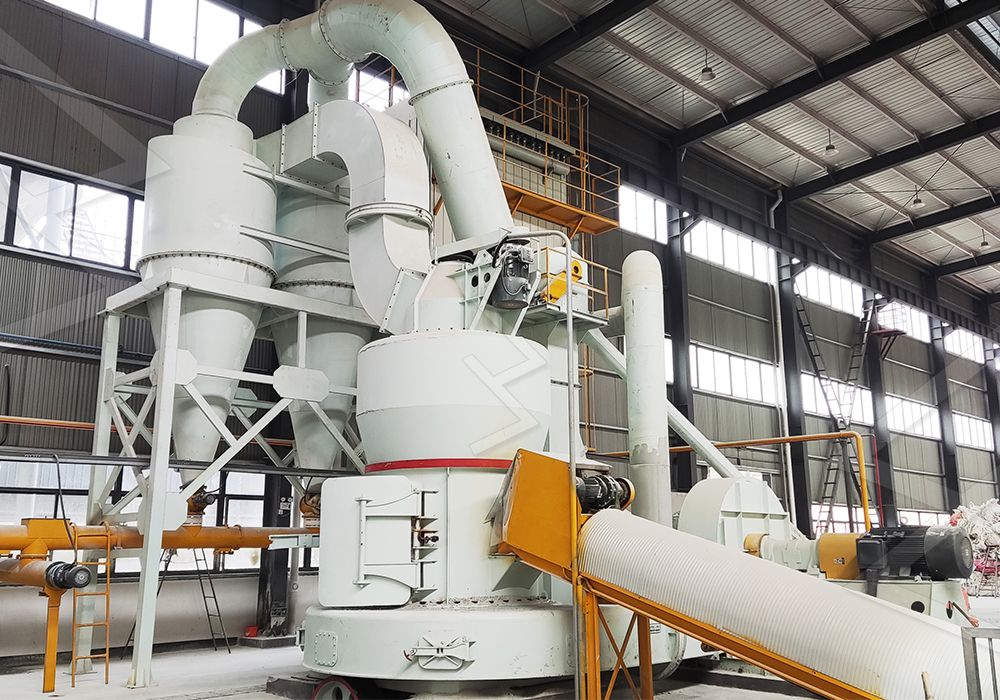
Importance of High-Quality Gypsum Powder in Wallboard and Plaster Industry
Gypsum powder used for plaster and wallboard production requires precise fineness control, typically between 120–325 mesh depending on application. High-quality grinding helps achieve:
Faster setting time
Better bonding strength
Smooth and flat wall surfaces
Reduced cracking during drying
Enhanced insulation and fire-resistant properties
Uniform gypsum particle size is especially important for wallboard manufacturing, where even minor variations can affect board strength, density, and edge bonding.
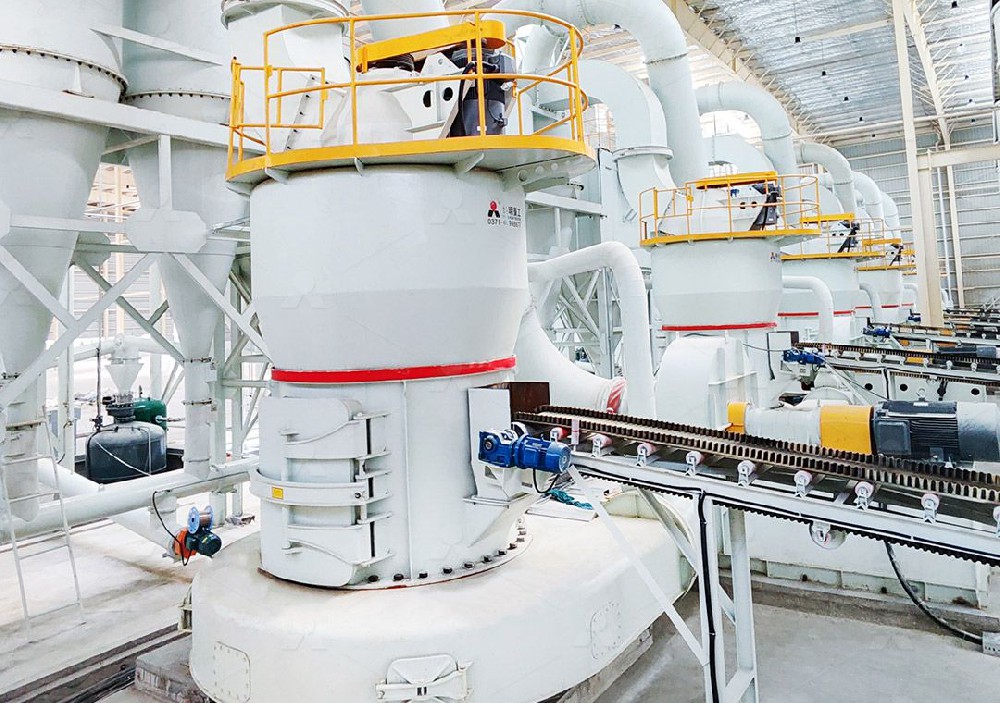
Suitable Grinding Technologies for Gypsum Processing
Two grinding technologies are widely used for gypsum powder production: Raymond mill and vertical roller mill. Each offers specific advantages depending on capacity, powder usage, and plant layout.
Raymond Mill for Stable Gypsum Powder Production
Raymond mills are commonly used for small to medium-scale gypsum grinding lines. Key features include:
Adjustable fineness from 80–325 mesh
Stable grinding pressure with reliable classifiers
High efficiency for soft minerals like gypsum
Low operation cost and easy maintenance
Uniform and clean powder output
For gypsum plaster manufacturers who require flexible production and consistent fineness, Raymond mills provide a cost-effective and dependable solution.
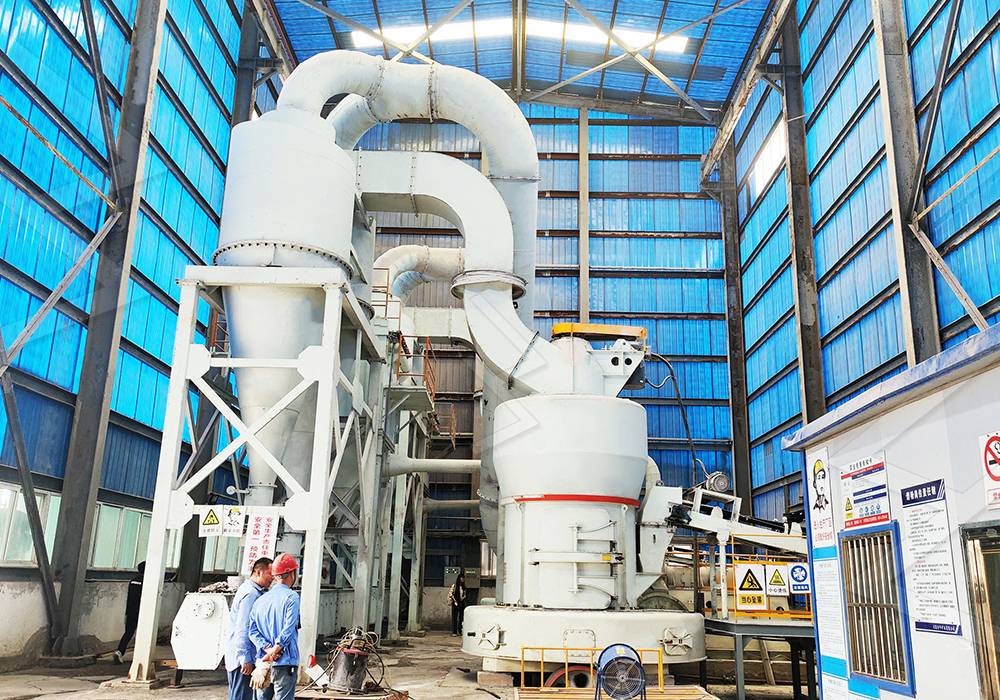
Vertical Roller Mill for High-Capacity Gypsum Production
For large-scale wallboard factories or industrial plaster plants, vertical roller mills offer superior performance. Advantages include:
Higher output capacity for mass production
Excellent drying ability for high-moisture gypsum
Lower energy consumption compared to traditional systems
Integrated grinding, classification, and conveying
Easy control through automated systems
The fine and uniform powder produced by vertical mills improves board density, reduces raw material waste, and enhances plaster workability.
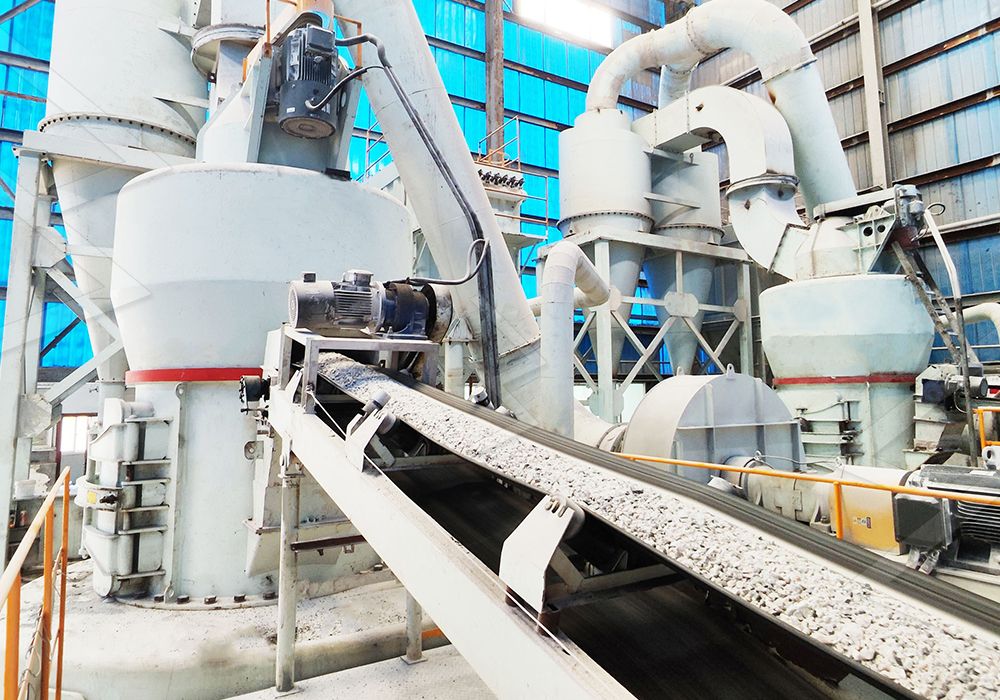
Industrial Value of Gypsum Grinding in India
As India continues to urbanize, demand for drywall and gypsum-based building materials is increasing rapidly. High-quality grinding equipment supports:
Reduced production cost for wallboard manufacturers
Improved durability and strength of plaster products
Faster project completion due to quicker application and curing
Better thermal and acoustic insulation performance
Well-ground gypsum also performs better in cement plants as a retarder, improving cement strength and hydration control.
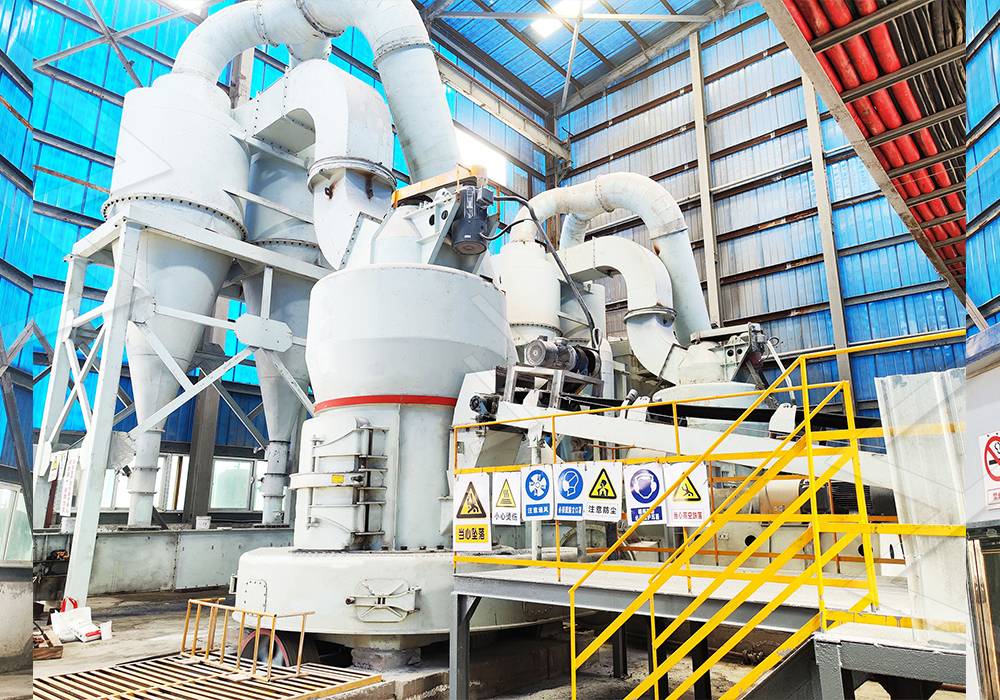
Benefits of Choosing Mills from Liming Heavy Industry
Grinding mills from Liming Heavy Industry are designed for stability, efficiency, and long-term durability. Whether using a Raymond mill or vertical roller mill, users can expect:
High grinding efficiency and stable fineness
Wear-resistant materials for long service life
Automated systems for easy operation
Energy-saving design suited for continuous industrial use
Clean and environmentally friendly production
These features help Indian wallboard and plaster producers maintain consistent powder quality and maximize production capacity.
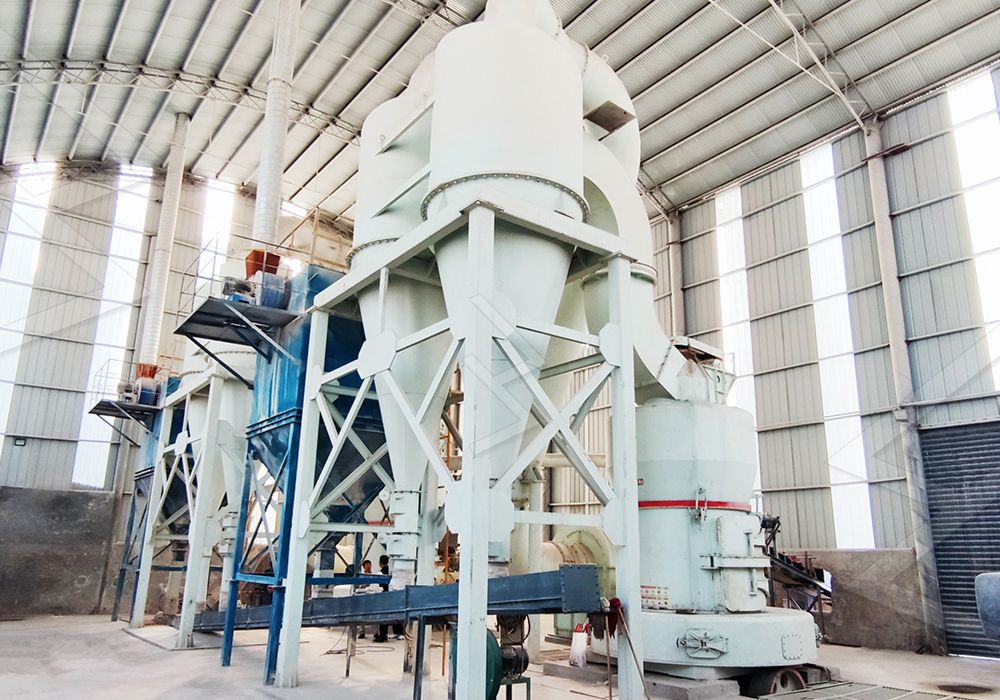
Factory-Direct Purchase and Fast Delivery
Buying directly from the manufacturer offers advantages such as:
Lower equipment cost
Faster communication and technical support
Customized solutions based on raw material conditions
Direct access to spare parts and after-sales service
Reliable packaging and international shipping
Fast delivery ensures minimal downtime for new plants or upgrades, allowing manufacturers to start gypsum powder production quickly.
_1761355701097.jpg)
FAQ
1. What fineness is required for gypsum used in wallboard production?
Most wallboard plants require gypsum powder between 150–200 mesh for stable board strength and bonding.
2. Which grinding mill is better for large gypsum factories?
Vertical roller mills are recommended because of their high capacity, energy efficiency, and excellent drying capability.
3. Can Raymond mills grind natural and desulfurization gypsum?
Yes. Raymond mills are suitable for both types and can produce stable, fine powder for plaster and putty.
4. Is factory-direct shipping available to India?
Yes. Equipment can be shipped directly with secure packaging and fast delivery schedules.
5. Why choose grinding mills from Liming Heavy Industry?
They provide stable performance, consistent fineness, long service life, and reliable production for gypsum-based building materials.


