

Industry News
What's the Fineness Requirement of Bentonite Powder in Animal Feed?
2026-01-12 08:56:56
We are Liming Heavy Industry, a manufacturer of various types of industrial crushers, such as Raymond Mill, Trapezoidal Mill, Vertical Mill, Ultrafine Mill, Ball Mill, etc.
Our mills can process the following minerals:
limestone, quicklime, kaolin, talc, barite, bentonite, calcium carbonate, dolomite, coal, gypsum, clay, carbon black, slag, cement raw materials, cement clinker, etc.
If you need a mill to process stone or minerals into powder, please feel free to contact me (WhatsApp: +86 153 3380 7511). Thank you.
Bentonite is widely used in the animal feed industry due to its excellent adsorption capacity, binding performance, and ability to improve pellet quality. As a functional mineral additive, it plays an important role in toxin adsorption, moisture regulation, and feed stability. Among the many technical parameters that determine its effectiveness, particle fineness is one of the most critical. The fineness of bentonite powder directly affects dispersion, adsorption efficiency, mixing uniformity, and ultimately animal health and feed utilization.
Understanding the appropriate fineness requirement of bentonite powder for animal feed applications is essential for feed manufacturers, mineral processors, and equipment suppliers. Selecting the right grinding technology ensures consistent quality while maintaining production efficiency and cost control.
The Role of Bentonite in Animal Feed
Bentonite is a clay mineral primarily composed of montmorillonite. In animal nutrition, it is commonly used as a mycotoxin binder, pellet binder, and flow agent. Its layered structure allows it to absorb harmful substances such as aflatoxins, heavy metals, and excess moisture in the digestive system.
For bentonite to perform these functions effectively, it must be processed into a fine and uniform powder. Coarse particles reduce surface area and limit adsorption efficiency, while excessively fine particles may cause handling issues such as dust generation or uneven distribution in feed mixtures.
Typical Fineness Range for Feed-Grade Bentonite
In most animal feed applications, bentonite powder is required to have a fineness ranging from 200 to 325 mesh. This range provides a balance between surface area and flowability, ensuring optimal performance during feed processing and digestion.
For poultry and swine feed, a fineness of around 200–250 mesh is often sufficient to achieve good toxin adsorption and pellet binding. In ruminant feed, where digestive retention time is longer, slightly finer powder up to 325 mesh may be preferred to enhance adsorption capacity.
Ultra-fine bentonite powders above 400 mesh are less common in feed applications. While they offer higher surface area, they can increase dust levels, complicate storage, and raise production costs without significant performance gains.
Why Fineness Matters in Feed Performance
Particle size directly influences how bentonite interacts with other feed components. Finer particles disperse more evenly throughout the feed, ensuring consistent toxin-binding performance in every portion consumed by animals.
Proper fineness also improves pellet durability. Bentonite acts as a natural binder, and when ground to the appropriate size, it enhances pellet strength without negatively affecting hardness or palatability.
From a nutritional safety perspective, uniform fineness reduces the risk of segregation during transport and storage. This ensures that animals receive a stable and predictable dosage of bentonite with each feeding.
Grinding Technology for Feed-Grade Bentonite
Achieving the desired fineness requires reliable and precise grinding equipment. Bentonite is relatively soft but has strong moisture sensitivity, which means the grinding system must handle variability in raw material conditions.
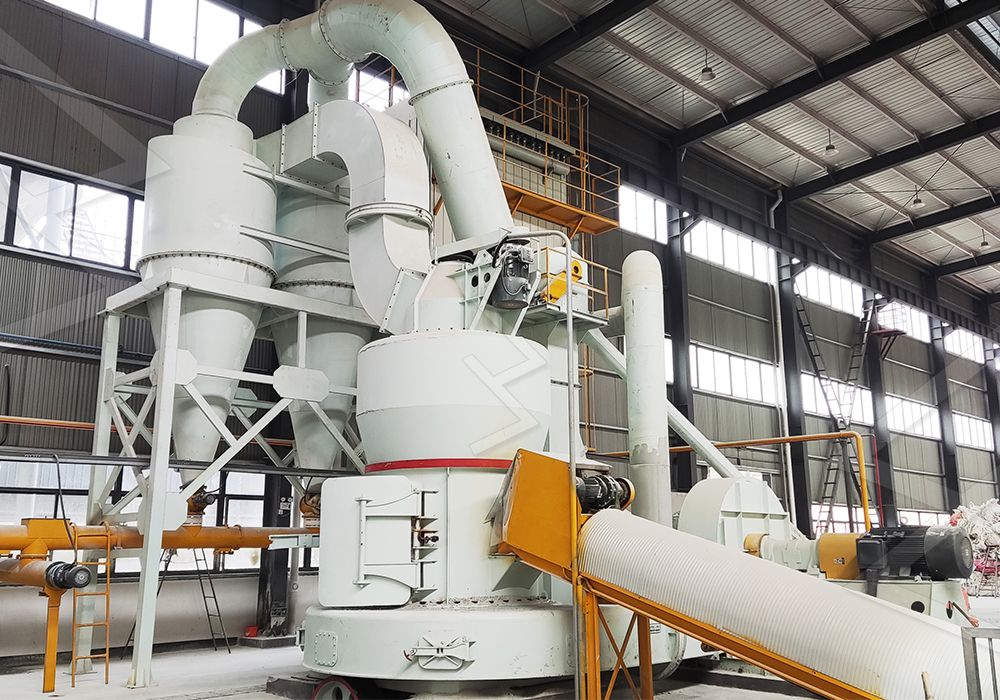
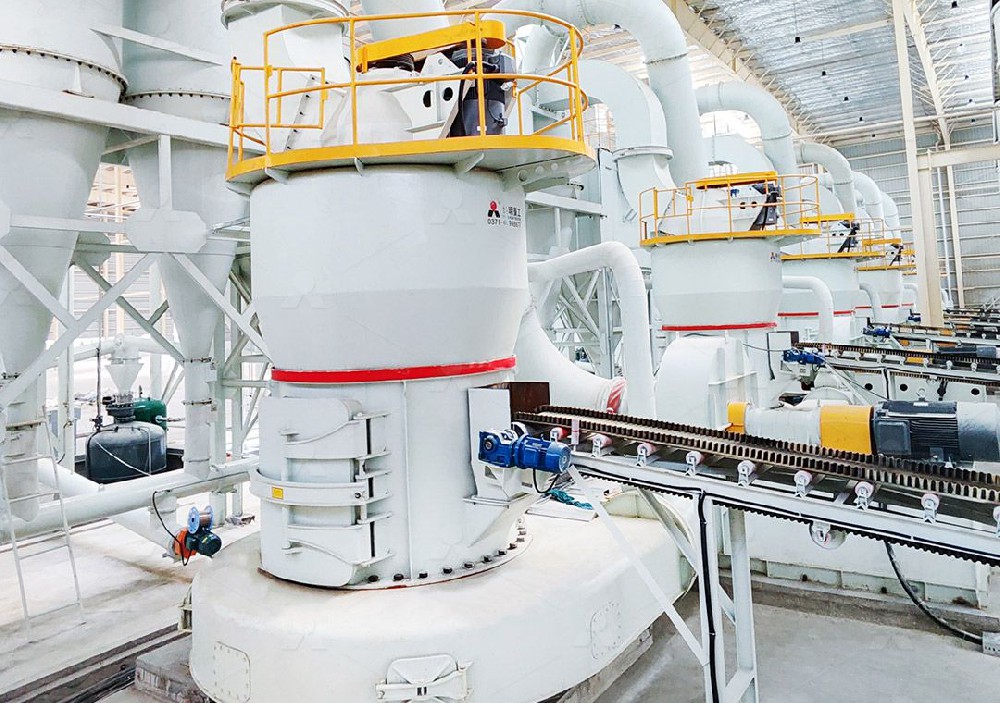
Raymond mills are widely used for producing 200–325 mesh bentonite powder. Their stable operation, adjustable fineness, and low energy consumption make them suitable for small to medium-scale feed additive production. The grinding process ensures uniform particle size while maintaining mineral structure.
_1767930568574.jpg)
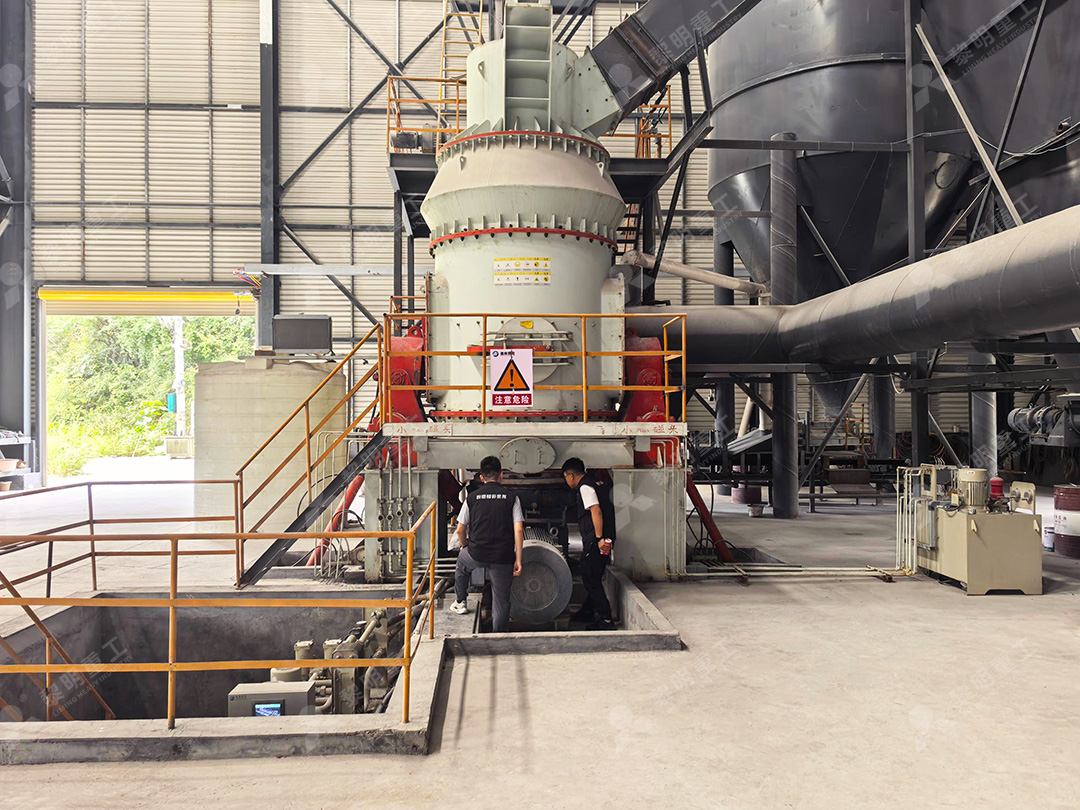
For larger production capacities or integrated mineral processing plants, vertical grinding mills offer clear advantages. They combine grinding, drying, and classification in a single system, making them ideal for handling bentonite with higher moisture content. Vertical mills provide excellent control over product fineness and ensure consistent quality for feed-grade applications.
Quality Control Considerations
In addition to fineness, feed-grade bentonite must meet strict quality standards. Impurities such as heavy metals, quartz, or oversized particles must be minimized. A stable grinding process helps reduce contamination risks and ensures compliance with feed safety regulations.
Consistent particle size distribution also simplifies downstream processes such as mixing, pelleting, and packaging. This consistency is especially important for large feed mills operating automated production lines.
Choosing the Right Milling Solution
Selecting the appropriate grinding equipment depends on production scale, raw material characteristics, and target fineness. Liming Heavy Industry offers both Raymond mills and vertical mills specifically designed for non-metallic mineral processing, including bentonite for animal feed.
_1761355927036.jpg)
The Raymond mill is a cost-effective solution for producing standard feed-grade bentonite with stable output and easy maintenance. For high-capacity operations requiring higher automation and moisture adaptability, the vertical mill provides superior efficiency and long-term operational stability.
Both solutions support precise fineness control, ensuring that bentonite powder meets the functional requirements of modern animal feed formulations.
Conclusion
The fineness requirement of bentonite powder in animal feed is a key factor that determines its functional effectiveness and processing performance. A particle size range of 200–325 mesh is generally optimal for most feed applications, balancing adsorption efficiency, handling properties, and production cost.
With the right grinding technology, feed manufacturers can produce high-quality bentonite powder that enhances feed safety, improves pellet quality, and supports animal health. Reliable milling solutions such as Raymond mills and vertical mills from Liming Heavy Industry provide the technical foundation for consistent and efficient feed-grade bentonite production.
_1761355701097.jpg)
FAQ
What is the most common fineness of bentonite used in animal feed?
The most common fineness range is 200–325 mesh, depending on animal type and feed formulation.
Is finer bentonite always better for toxin adsorption?
Finer particles increase surface area, but excessively fine powder may cause dust and handling issues without significant performance improvement.
Can Raymond mills produce feed-grade bentonite?
Yes, Raymond mills are well suited for producing uniform bentonite powder within the typical feed-grade fineness range.
Why are vertical mills used for bentonite grinding?
Vertical mills handle larger capacities and higher moisture content while providing stable fineness control.
Does bentonite fineness affect pellet quality?
Yes, appropriate fineness improves pellet strength and uniformity without negatively impacting feed texture.


