

Industry News
Gypsum Grinding Mill for Wallboard and Plaster Production in India
2025-12-05 13:31:28
We are Liming Heavy Industry, a manufacturer of various types of industrial crushers, such as Raymond Mill, Trapezoidal Mill, Vertical Mill, Ultrafine Mill, Ball Mill, etc.
Our mills can process the following minerals:
limestone, quicklime, kaolin, talc, barite, bentonite, calcium carbonate, dolomite, coal, gypsum, clay, carbon black, slag, cement raw materials, cement clinker, etc.
If you need a mill to process stone or minerals into powder, please feel free to contact me (WhatsApp: +86 153 3380 7511). Thank you.
Gypsum is one of the most widely used industrial minerals in India, especially in the production of wallboard, plaster, gypsum blocks, and decorative building materials. The country has abundant natural gypsum reserves and a strong manufacturing base, which supports both domestic construction demand and export-oriented industries. To transform raw gypsum into high-performance building materials, efficient and precise grinding technology is essential. The quality of the final powder directly affects product strength, setting time, whiteness, and overall performance in wallboard and plaster applications.
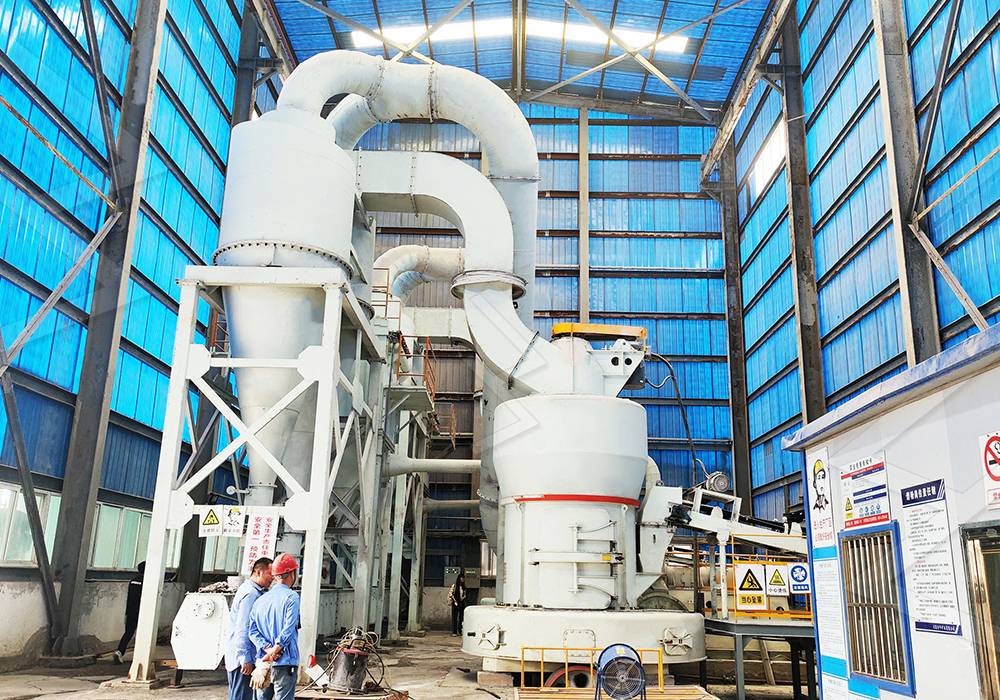
Raw gypsum must be crushed, dried, and ground to a consistent fineness before it enters calcination or final product blending. For wallboard production, gypsum powder typically needs to reach 100–200 mesh, while plaster and finishing products often require finer powder with improved fluidity and purity. Consistent particle size ensures smoother slurry mixing, faster dissolution, and stable setting characteristics during board manufacturing. Advanced grinding equipment plays a key role in achieving these performance targets while keeping production costs under control.
India's gypsum manufacturers operate in a highly competitive market, where productivity, energy efficiency, and environmental compliance are top priorities. Traditional grinding systems such as ball mills consume more energy, require frequent maintenance, and generate higher operational costs. To meet today's industry requirements, more advanced grinding solutions—such as Raymond mills and vertical grinding mill—offer superior performance and long-term reliability for gypsum processing.
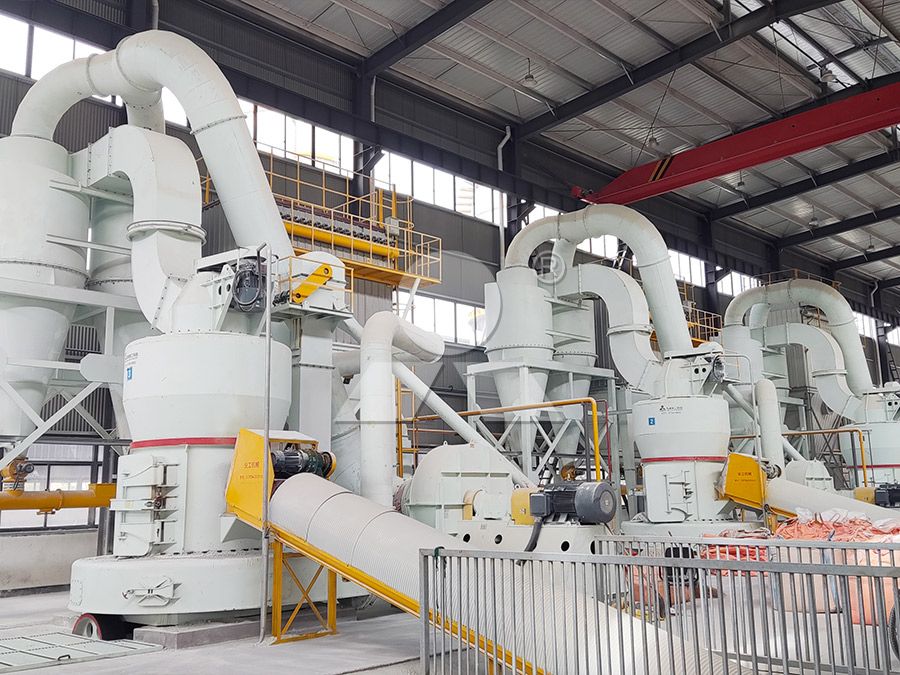
Raymond mills are widely used in medium-fineness gypsum powder production. The machine uses grinding rollers and rings to crush the gypsum under strong mechanical pressure, producing a uniform and stable powder suitable for wallboard cores, plaster formulations, and gypsum-based compound products. With precise classification technology, the mill ensures that oversized particles are automatically returned for further grinding. This guarantees consistent material quality, which is crucial for meeting the strict specifications of gypsum board and plaster production lines. Raymond mills also offer low investment cost, easy maintenance, and stable operation, making them a preferred solution for small and medium-scale gypsum processing plants.
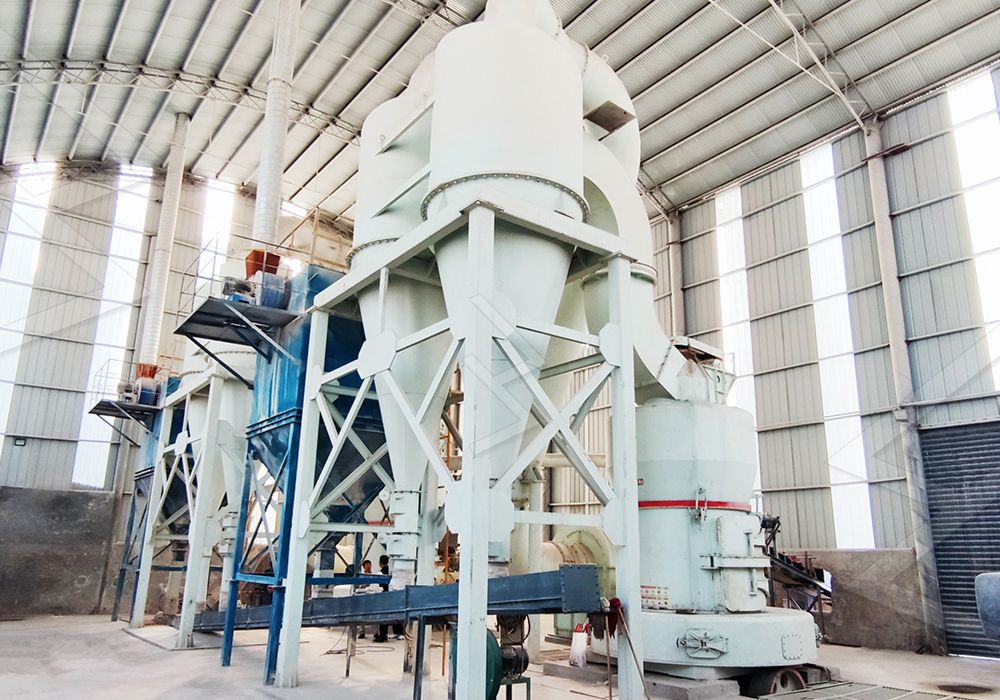
For higher output and more demanding applications, vertical grinding mills provide a more efficient and integrated solution. These mills combine grinding, drying, and classifying in a single system, which is especially beneficial for gypsum with varying moisture content. Their high grinding pressure and controlled airflow allow for greater efficiency and higher production capacity. Vertical mills can achieve fine and adjustable gypsum powder suitable for wallboard core material, fast-setting plaster, high-whiteness gypsum finishing compounds, and industrial-grade gypsum fillers used in construction materials.
Energy consumption remains one of the most important factors for gypsum producers in India, as manufacturing costs continue to rise. Raymond mills and vertical mills are engineered for efficiency, significantly reducing power usage per ton of finished powder. These technologies also minimize mechanical wear through optimized grinding structures, lowering maintenance cost and extending equipment lifespan. For large gypsum board factories or plaster manufacturers, long-term operational savings are substantial.
Environmental performance is another significant advantage of modern grinding mills. Gypsum powder is extremely fine and can easily cause dust pollution if not properly controlled. High-efficiency pulse dust collectors, air sealing systems, and negative pressure operation ensure clean workshop conditions and compliance with environmental standards in India. Cleaner processing not only protects workers but also ensures better machine stability and improved product cleanliness.
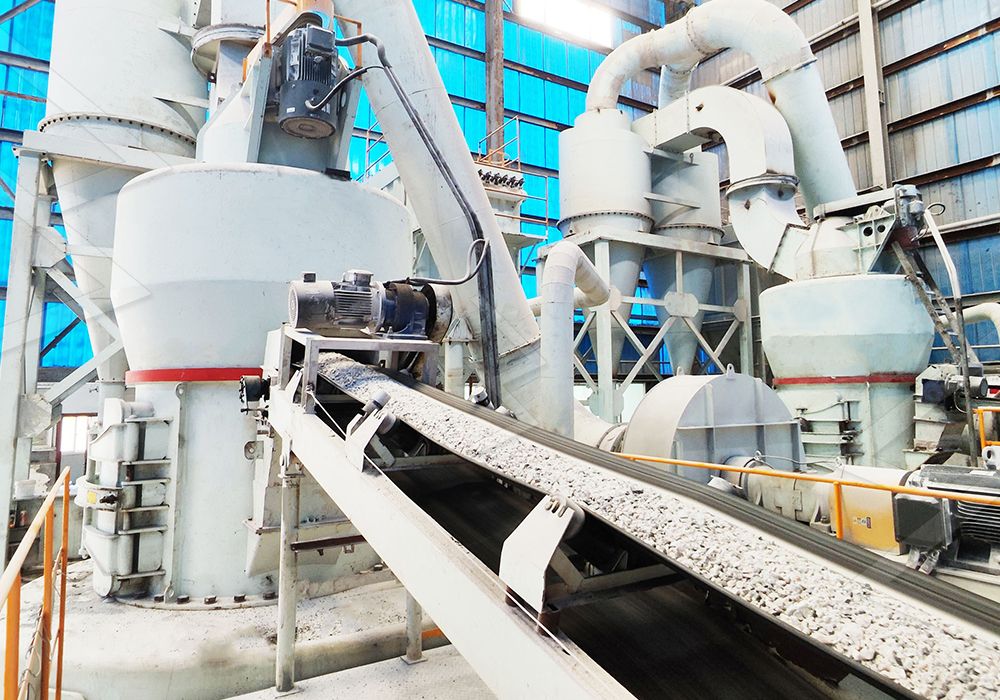
The versatility of these grinding systems also supports broader production requirements. Besides gypsum, Raymond and vertical mills can process limestone, calcite, dolomite, bentonite, kaolin, and other minerals used in construction materials. This allows manufacturers to diversify their product range or integrate additional mineral components into gypsum-based formulations without investing in extra equipment.
For companies evaluating gypsum grinding mill prices, it is essential to consider more than the initial purchase cost. Production capacity, energy consumption, fineness flexibility, maintenance requirements, and after-sales support all contribute to long-term value. Raymond mills offer a cost-effective balance of performance and affordability, while vertical mills provide higher output and more advanced capabilities for large projects and long production cycles.
Equipment from Liming Heavy Industry is designed specifically for efficient gypsum grinding and long-term industrial operation. These mills deliver stable performance, adjustable fineness, and strong drying capacity, meeting the needs of wallboard manufacturers, plaster producers, and gypsum-based material factories. International delivery allows customers in India to receive equipment quickly, supported by comprehensive technical service, installation guidance, and remote assistance.
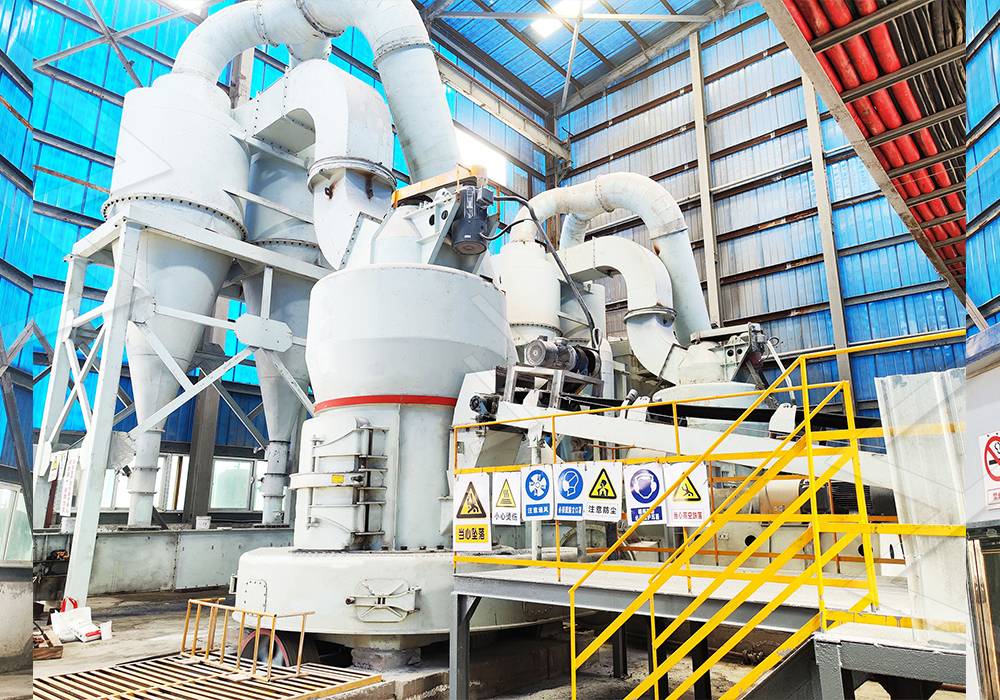
As the construction industry in India continues to demand lightweight, fire-resistant, and environmentally friendly building materials, high-precision gypsum grinding becomes increasingly important. Modern mills ensure consistent quality, high throughput, and reliable performance necessary for competitive production. Whether upgrading an existing line or building a new facility, advanced grinding technology provides a solid foundation for meeting market growth and enhancing product quality.
FAQ
1. What fineness range is required for gypsum used in wallboard?
Wallboard typically requires gypsum powder between 100 and 200 mesh, depending on production specifications.
2. Which mill is better for large-scale gypsum powder production?
Vertical mills are ideal due to their high capacity, integrated drying, and energy-efficient performance.
3. Can Raymond mills produce gypsum for plaster and finishing products?
Yes. Raymond mills can produce fine, uniform powder suitable for plaster, putty, and gypsum-based compounds.
4. Do the mills handle gypsum with high moisture content?
Vertical mills include strong drying capabilities, making them suitable for gypsum with higher natural moisture.
5. How does a grinding mill improve wallboard production quality?
Consistent powder fineness enhances slurry flow, setting time stability, and core board strength.
6. Is dust control included in the grinding system?
Yes. Advanced dust collectors and sealed systems minimize dust and maintain a clean working environment.
7. Can I buy the equipment online with international delivery to India?
Yes. Equipment is available for online ordering with global delivery options for fast shipping.
8. Is technical support offered after installation?
Professional assistance is available, including configuration guidance, installation support, and long-term maintenance advice.
9. Can the mill process other minerals used in construction materials?
Yes. It can grind limestone, calcite, dolomite, kaolin, and other minerals commonly used in industrial production.


