

Industry News
Cement Raw Materials Grinding Mill for Limestone and Clay in Malaysia
2025-11-27 08:36:38
We are Liming Heavy Industry, a manufacturer of various types of industrial crushers, such as Raymond Mill, Trapezoidal Mill, Vertical Mill, Ultrafine Mill, Ball Mill, etc.
Our mills can process the following minerals:
limestone, quicklime, kaolin, talc, barite, bentonite, calcium carbonate, dolomite, coal, gypsum, clay, carbon black, slag, cement raw materials, cement clinker, etc.
If you need a mill to process stone or minerals into powder, please feel free to contact me (WhatsApp: +86 153 3380 7511). Thank you.
The cement industry in Malaysia continues to grow steadily as infrastructure projects, housing developments, and industrial construction expand across the country. Limestone and clay are the two main raw materials for cement production, and their grinding quality directly determines the efficiency of kiln operations, the stability of clinker formation, and the final strength performance of cement. As production demands increase, cement plants in Malaysia are placing greater emphasis on energy-efficient, stable, and automated grinding systems.
A modern raw materials grinding mill is essential to ensure consistent particle size, homogeneous blending, and reliable feeding to the rotary kiln. Among available technologies, the vertical roller mill has become the preferred choice for processing limestone, clay, shale, and other raw components due to its high grinding efficiency, low operating cost, and ability to integrate drying and classification.
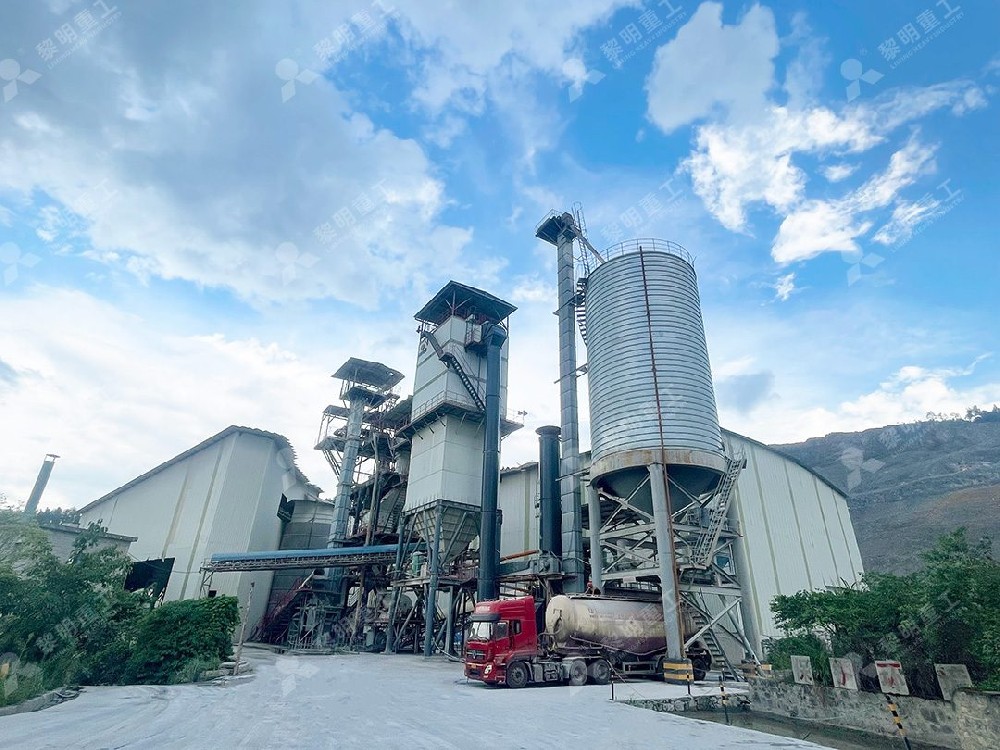
Importance of Efficient Grinding in Cement Production
Raw materials grinding is the foundation of the cement manufacturing process. Limestone typically makes up 70–80% of the raw mix, while clay contributes silica, alumina, and other minerals necessary for the correct clinker chemistry. Consistency in raw meal composition is critical; even slight variations can result in unstable kiln operation, higher heat consumption, and reduced product quality.
Efficient grinding ensures:
uniform particle size distribution;
enhanced homogenization of limestone and clay;
improved reactivity in the kiln;
reduced fuel consumption;
stable and high-quality clinker output.
To meet these requirements, many plants transition from traditional ball mills to advanced vertical roller mills, which provide improved control, lower power consumption, and integrated processing functions.

Why Vertical Roller Mills Are Ideal for Limestone and Clay
Vertical roller mills (VRMs) are designed to grind, classify, and dry materials in a single, compact system. The versatility and reliability of VRMs make them well-suited for Malaysian cement plants that often process raw materials with varying moisture levels, hardness, and chemical composition.
Key advantages include:
1. High grinding efficiency
VRMs use a combination of grinding rollers and a rotating table, generating strong pressure and shear forces. This results in efficient size reduction with lower energy consumption compared to traditional mills.
2. Integrated drying capability
Many Malaysian quarries produce limestone and clay with moisture between 5% and 12%. The hot gases in vertical mills can dry materials during grinding, eliminating the need for separate dryers and reducing installation cost.
3. Uniform and controlled particle size
The built-in dynamic classifier ensures accurate separation of fine and coarse particles. This gives cement plants excellent control over raw meal fineness, improving kiln feed stability.
4. Lower operational and maintenance costs
VRMs have fewer rotating parts, reduced wear rates, and longer maintenance intervals. This minimizes downtime and ensures continuous operation, which is crucial for high-capacity cement plants.
5. Environmental benefits
Lower energy consumption and enclosed grinding systems help reduce dust emissions and improve plant sustainability. This aligns with Malaysia’s emphasis on greener industrial processes.
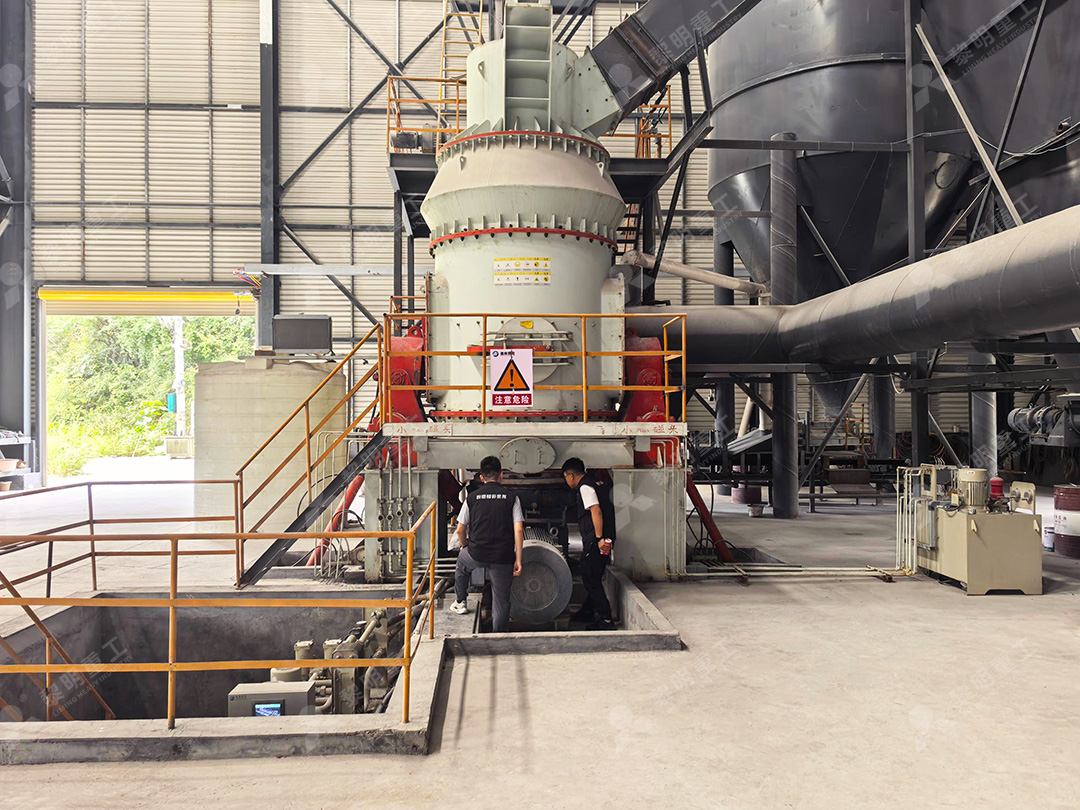
Application of VRM Technology in Malaysia
Malaysia’s cement producers operate in a competitive environment where energy cost, limestone quality variations, and strict product standards require modern equipment. Vertical roller mills have proven to be effective in processing:
soft to medium-hard limestone;
high-moisture clay and shale;
silica-containing additives;
iron-correcting materials used in raw mix formulation.
Cement plants using VRMs report:
improved raw meal consistency;
up to 30–40% lower power use compared to ball mills;
reduced manpower for operation and monitoring;
improved kiln stability due to better raw mix quality.
These benefits are especially important for Malaysian plants located near high-moisture clay deposits or tropical environments.
_1761361296291.jpg)
Why Many Malaysian Plants Choose Vertical Roller Mills from Liming Heavy Industry
Liming Heavy Industry offers vertical roller mills designed specifically for large-scale industrial mineral processing and cement raw material grinding. These mills combine high efficiency with strong mechanical reliability, making them suitable for 24-hour cement plant operation.
Key advantages include:
robust grinding rollers and table for long service life;
high-efficiency classifier providing stable raw meal fineness;
low vibration design for continuous kiln feeding;
integrated drying for wet limestone and clay;
energy-saving technology that lowers production cost;
intelligent control system for automated adjustment of grinding pressure, airflow, and classifier speed.
Plants that adopt these vertical mills achieve higher output, reduced operational cost, and better clinker performance due to consistent raw feed quality.
_1761355927036.jpg)
FAQ
1. Why is limestone and clay grinding important in cement production?
Because stable raw meal fineness ensures efficient kiln operation, reduced fuel consumption, and consistent clinker formation.
2. Are vertical roller mills better than ball mills for raw materials?
Yes, VRMs offer higher grinding efficiency, lower energy use, integrated drying, and better particle size control.
3. Can vertical roller mills handle high-moisture clay?
Yes, the integrated hot gas system allows simultaneous drying and grinding, ideal for Malaysian clay deposits.
4. What fineness is typically required for cement raw meal?
Most plants target residue on a 90-micron sieve below 12–15%, depending on kiln design and raw mix formulation.
5. Why choose vertical roller mills from Liming Heavy Industry?
They provide reliable performance, high energy efficiency, precise classification, and long service life, making them suitable for continuous cement production.
6. Is maintenance difficult for vertical roller mills?
No, they require less maintenance than traditional mills due to fewer wear parts and a simpler grinding mechanism.


