

Industry News
Cement Clinker Grinding Mill for High-Quality Cement Production – Compare Suppliers and Best Deals in Vietnam
2025-11-16 09:12:13
We are Liming Heavy Industry, a manufacturer of various types of industrial crushers, such as Raymond Mill, Trapezoidal Mill, Vertical Mill, Ultrafine Mill, Ball Mill, etc.
Our mills can process the following minerals:
limestone, quicklime, kaolin, talc, barite, bentonite, calcium carbonate, dolomite, coal, gypsum, clay, carbon black, slag, cement raw materials, cement clinker, etc.
If you need a mill to process stone or minerals into powder, please feel free to contact me (WhatsApp: +86 153 3380 7511). Thank you.
Cement production is a complex process that requires high efficiency and precision. One of the most crucial steps in cement manufacturing is the grinding of cement clinker. The quality of cement produced largely depends on how well the clinker is ground into a fine powder. This is achieved using a cement clinker grinding mill, which is designed to reduce the size of the clinker particles, enabling better hydration and improving the overall quality of the cement.
Vietnam, as one of the fastest-growing economies in Southeast Asia, has seen significant investments in the cement industry. To meet the increasing demand for high-quality cement, manufacturers are turning to advanced cement clinker grinding mills that ensure consistent and efficient production. In this article, we will discuss the importance of cement clinker grinding mills, compare top suppliers in Vietnam, and highlight the best deals available for businesses in the region.
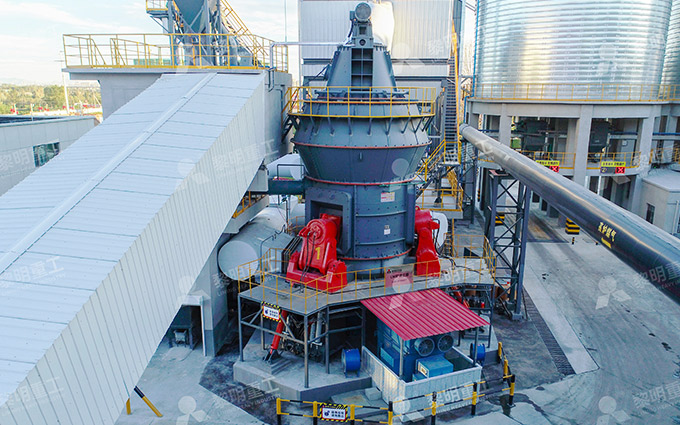
Why Cement Clinker Grinding Is Important
Cement clinker is the intermediate product in the cement production process. It is formed by heating limestone, clay, and other materials in a rotary kiln. After the clinker is cooled, it is ground into a fine powder and mixed with gypsum to create the final product—cement.
The grinding process plays a significant role in determining the quality of the cement. The finer the clinker is ground, the better the surface area for the chemical reactions that occur during hydration. This results in a stronger and more durable cement product. A cement clinker grinding mill is used to achieve the desired particle size and optimize the performance of the cement in construction projects.
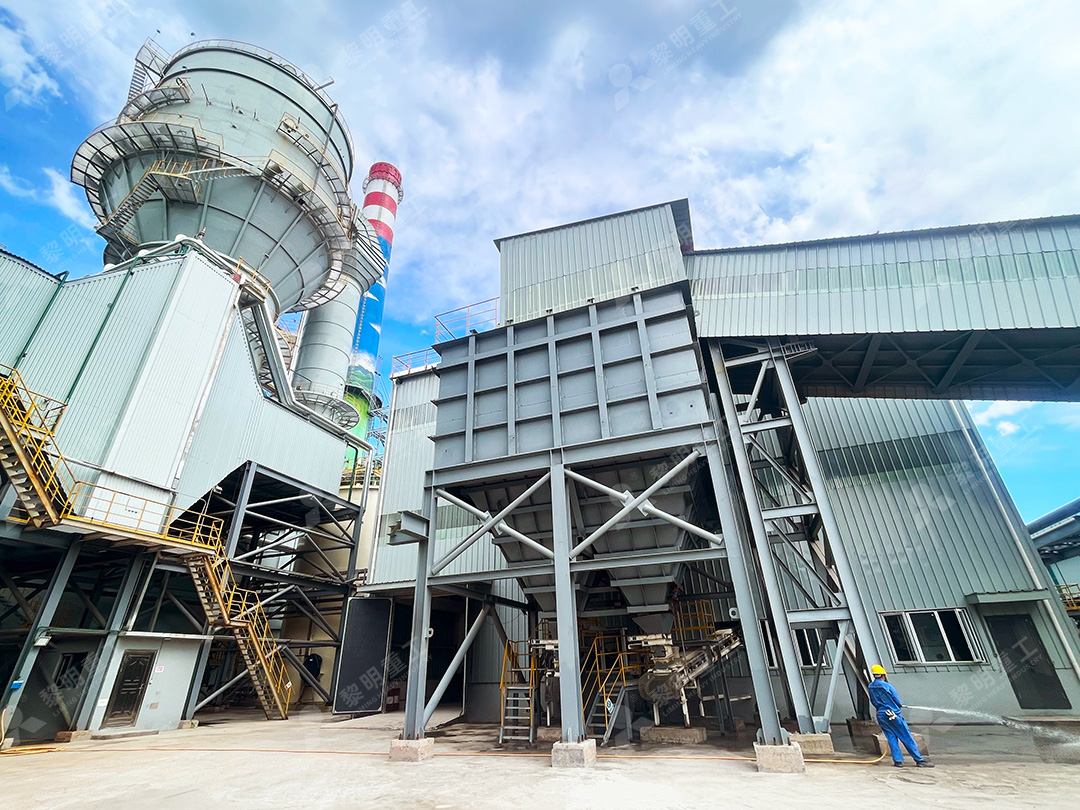
Types of Cement Clinker Grinding Mills
Several types of mills can be used for grinding cement clinker, each with its own advantages and disadvantages. The choice of the mill depends on factors such as production capacity, energy efficiency, and desired particle size distribution.
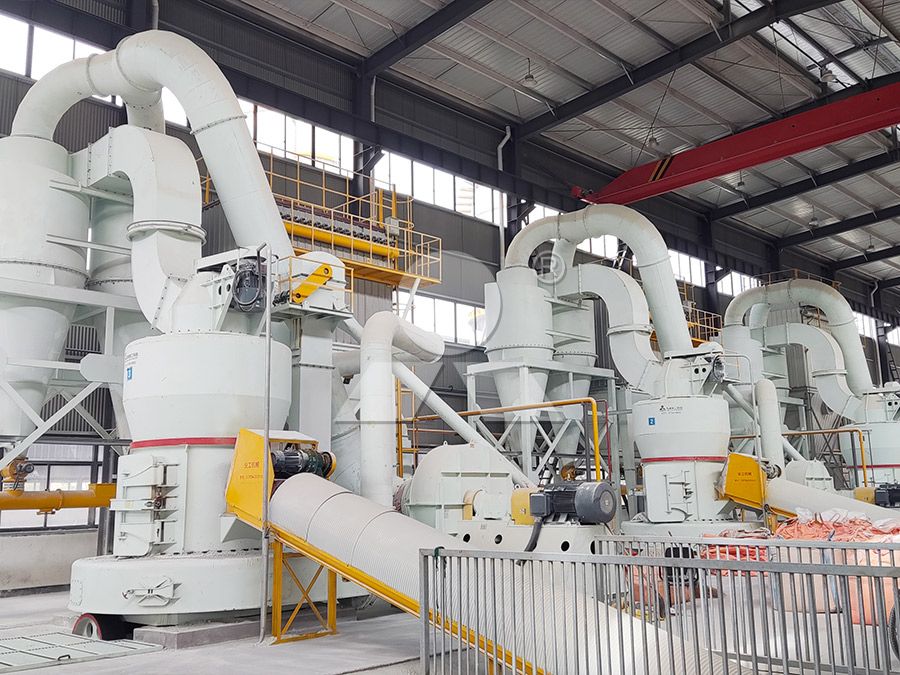
Raymond mills are a popular choice for clinker grinding due to their high efficiency and ability to produce fine, consistent powder. These mills work by utilizing a roller and ring system to reduce the size of clinker particles. Raymond mills can typically produce cement particles in the 80-400 mesh range, which is suitable for most cement applications.
Advantages:
High grinding efficiency
Low energy consumption
Suitable for a wide range of materials
Easy maintenance and operation
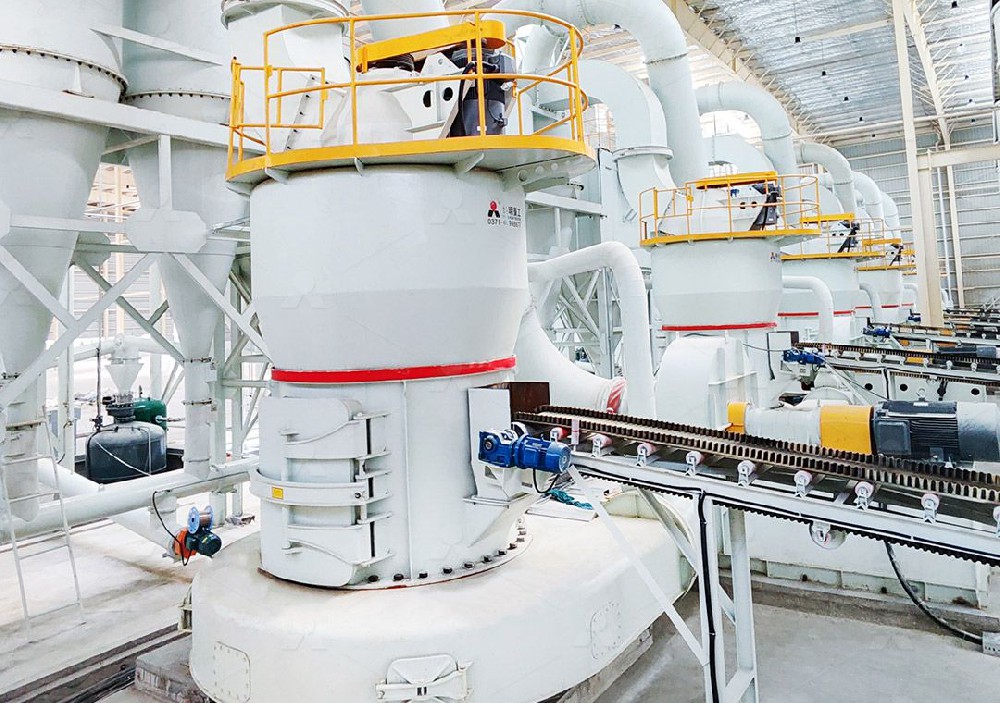
Vertical Roller Mill (VRM)
Vertical roller mills are another widely used mill for clinker grinding. VRMs are known for their superior energy efficiency compared to traditional ball mills. They use a vertical grinding table and grinding rollers to achieve fine grinding. VRMs are particularly effective for large-scale production due to their high throughput and low wear rates.
Advantages:
Energy-efficient operation
High grinding capacity
Low maintenance costs
Consistent particle size and quality
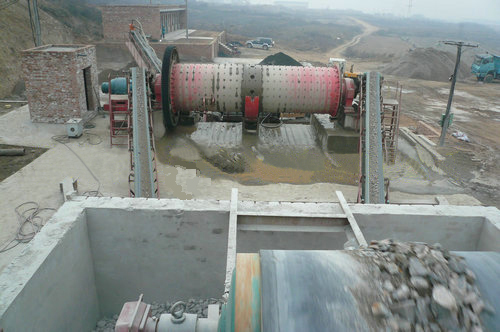
Ball Mill
Ball mills are the traditional and most widely used grinding mills in cement plants. These mills consist of a rotating drum filled with grinding media (balls), which crush the clinker into a fine powder. While ball mills are effective, they tend to be less energy-efficient compared to Raymond and vertical roller mills.
Advantages:
Proven technology
Simple design
Flexible in terms of output size
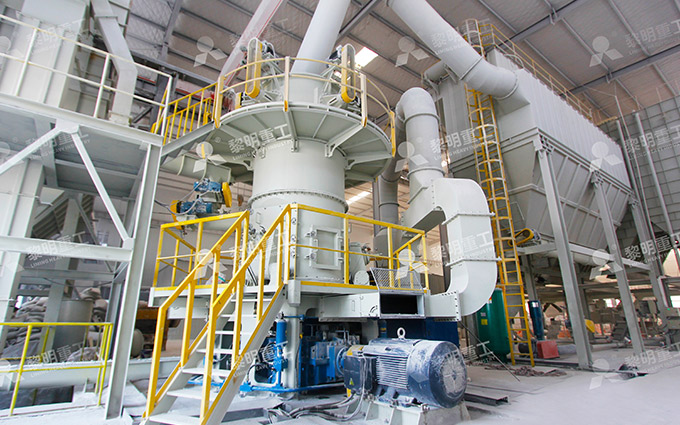
Ultrafine Mill
For manufacturers that require very fine cement powder, ultrafine mills are the best choice. These mills can achieve particle sizes as fine as 600 mesh or even higher, making them ideal for producing high-strength cement that meets demanding standards.
Advantages:
Very fine particle size
High-quality cement production
Ideal for specialized applications
_1761361296291.jpg)
Top Suppliers of Cement Clinker Grinding Mills in Vietnam
When choosing a cement clinker grinding mill supplier, it is important to consider factors such as the supplier's reputation, equipment performance, energy efficiency, and after-sales support. Below are some of the top suppliers of cement clinker grinding mills in Vietnam:
Liming Heavy Industry
Liming Heavy Industry is one of the leading suppliers of cement clinker grinding mills globally. The company offers a range of high-performance grinding mills, including Raymond mills, vertical roller mills, and ultrafine mills. Liming's equipment is known for its high energy efficiency, low maintenance costs, and reliable performance.
Key Features:
High energy efficiency
Long service life
Comprehensive after-sales support
Competitive pricing
_1761355927035.jpg)
SBM
SBM is a global leader in cement plant equipment, including clinker grinding mills. They offer vertical roller mills and ball mills designed for high efficiency and minimal wear. FLSmidth's mills are ideal for large-scale cement production, providing consistent product quality and high output.
Key Features:
Advanced technology
High throughput capacity
Customizable solutions
Excellent service and support
_1761360948097.jpg)
Zenith
Zenith is renowned for its innovative vertical roller mills, which are widely used in the cement industry for grinding clinker. Loesche's mills are known for their energy efficiency and ability to produce high-quality cement with consistent performance.
Key Features:
High-efficiency design
Low operational costs
Long lifespan
Proven track record in cement grinding
_1761360948098.jpg)
Clirik
Clirik is another leading supplier of cement clinker grinding mills, offering vertical mills designed for energy-efficient grinding. Their mills are widely used in the cement industry for their superior performance and low maintenance requirements.
Key Features:
High energy efficiency
Reliable performance
Customizable for specific production needs
Strong global presence and service network
_1761355927036.jpg)
Factors to Consider When Choosing a Supplier
When selecting a supplier for a cement clinker grinding mill in Vietnam, the following factors should be considered:
Energy Efficiency: Look for mills that offer high energy efficiency to reduce operational costs in the long run.
Cost-Effectiveness: Consider the total cost of ownership, including the initial price, maintenance costs, and energy consumption.
After-Sales Service: Ensure the supplier offers reliable after-sales support, including installation, maintenance, and spare parts availability.
Production Capacity: Choose a mill that can meet the plant's required output and throughput capacity.
Technology: Consider the latest grinding technologies, such as vertical roller mills, which offer higher efficiency and better quality control.
Conclusion
The quality of cement produced in a lime plant heavily depends on the performance of the cement clinker grinding mill. By choosing the right mill from reputable suppliers like Liming Heavy Industry, FLSmidth, Loesche, and Gebr. Pfeiffer, cement manufacturers in Vietnam can enhance their production efficiency and product quality. Factors like energy efficiency, maintenance costs, and throughput capacity should be carefully considered when selecting a grinding mill supplier.
Frequently Asked Questions (FAQ)
1. What is the most energy-efficient cement clinker grinding mill?
Vertical roller mills are typically the most energy-efficient option for clinker grinding, offering lower energy consumption compared to traditional ball mills.
2. What are the advantages of using a Raymond mill for cement clinker grinding?
Raymond mills are known for their high efficiency, ease of maintenance, and ability to produce consistent, fine powders, making them ideal for cement production.
3. Can ultrafine mills be used for cement production?
Yes, ultrafine mills can be used to produce high-strength cement with very fine particle sizes, which is ideal for specialized applications in high-quality construction.
4. What factors should I consider when choosing a cement clinker grinding mill supplier in Vietnam?
Key factors include energy efficiency, cost-effectiveness, after-sales support, and the supplier's ability to meet your production capacity and quality requirements.
5. How does the quality of the grinding mill affect cement production?
The quality of the grinding mill directly affects the consistency, fineness, and hydration rate of the cement, which in turn impacts the strength and durability of the final product.
6. What are the benefits of investing in high-quality grinding mills for cement plants?
High-quality mills improve efficiency, reduce operational costs, and enhance product quality, leading to long-term savings and a competitive edge in the market.


