

Industry News
Talc Grinding Mill Compare Suppliers for Paint, Coating, and Cosmetic Industries in Malaysia
2025-11-08 10:00:24
We are Liming Heavy Industry, a manufacturer of various types of industrial crushers, such as Raymond Mill, Trapezoidal Mill, Vertical Mill, Ultrafine Mill, Ball Mill, etc.
Our mills can process the following minerals:
limestone, quicklime, kaolin, talc, barite, bentonite, calcium carbonate, dolomite, coal, gypsum, clay, carbon black, slag, cement raw materials, cement clinker, etc.
If you need a mill to process stone or minerals into powder, please feel free to contact me (WhatsApp: +86 153 3380 7511). Thank you.
Talc is one of the most widely used industrial minerals in Malaysia, especially in the paint, coating, and cosmetic industries. Its softness, whiteness, and chemical inertness make it an ideal raw material for producing smooth, bright, and stable formulations. However, to achieve consistent quality, the grinding process of talc must be carried out using advanced equipment capable of producing fine and uniform particles. Choosing the right talc grinding mill supplier can directly impact product performance, energy consumption, and overall production cost.
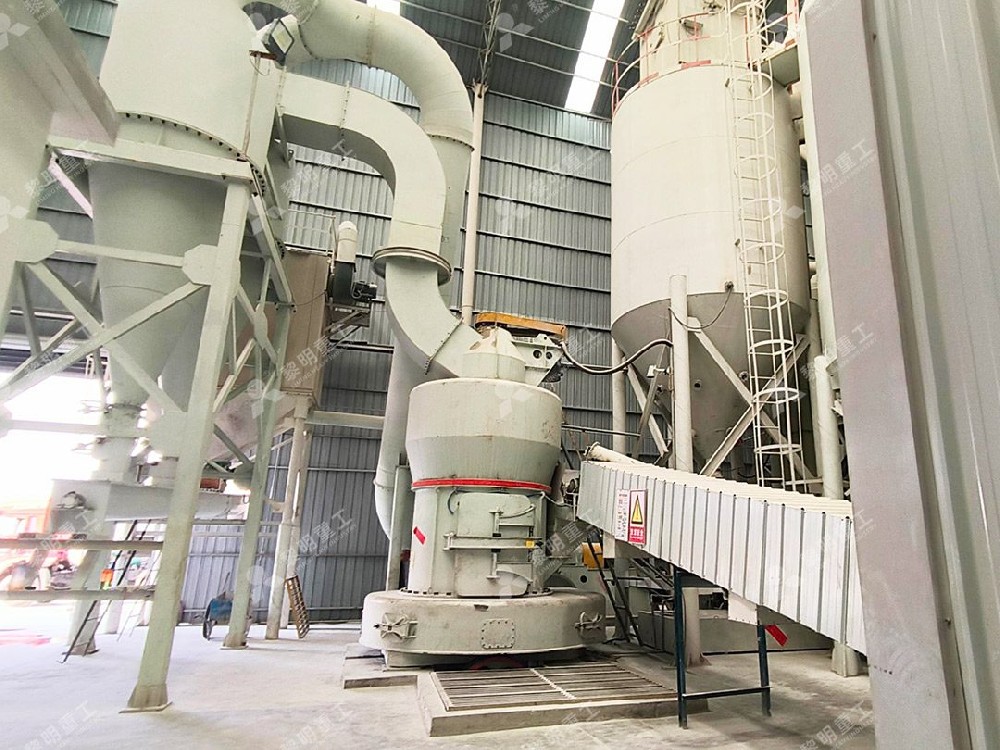
In Malaysia, demand for high-quality talc powder continues to rise, driven by growth in the construction, automotive, and beauty sectors. Paint and coating manufacturers use talc to enhance suspension properties, improve opacity, and prevent sedimentation. Meanwhile, cosmetic producers rely on ultra-fine talc for its silky texture, high purity, and ability to absorb moisture without irritating the skin. To meet these demanding standards, precise grinding and classification processes are essential.
When comparing talc grinding mill suppliers, several key factors should be considered. First is particle size control. For coatings, a fine powder with narrow particle distribution ensures smooth surface coverage and consistent color tone. In cosmetics, micronized talc with particle sizes under 10 μm provides a soft touch and excellent dispersibility. Modern grinding systems must therefore offer precise control over fineness while maintaining mineral integrity.
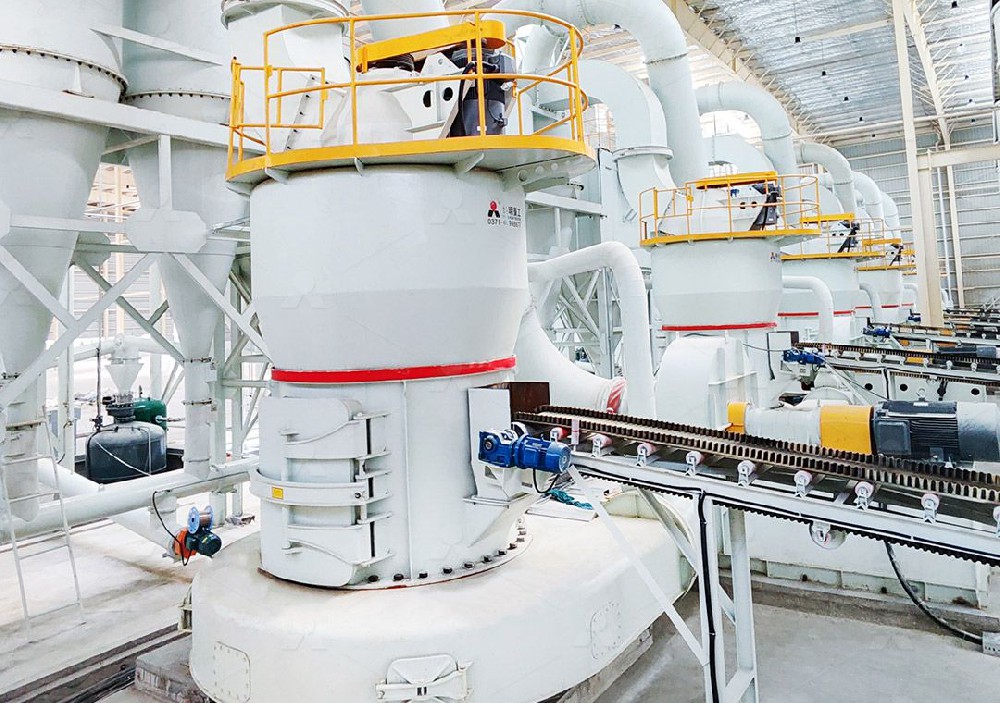
Another crucial aspect is energy efficiency. Traditional ball mills or outdated Raymond mills often consume large amounts of electricity and generate excess heat, which can degrade the quality of talc. Advanced vertical grinding mills or high-pressure suspension systems provide better efficiency by integrating drying, grinding, and classification into one operation. This results in lower energy costs and a cleaner production environment—an important advantage for manufacturers adhering to Malaysia's sustainability and environmental regulations.
System stability and maintenance costs are also vital for continuous industrial operation. A reliable talc grinding mill should maintain stable output even under variable feed conditions. Durable wear-resistant materials and automated lubrication systems can extend equipment lifespan and reduce downtime. Modern mills are also equipped with intelligent control systems that monitor vibration, temperature, and airflow in real-time, ensuring optimal grinding conditions.
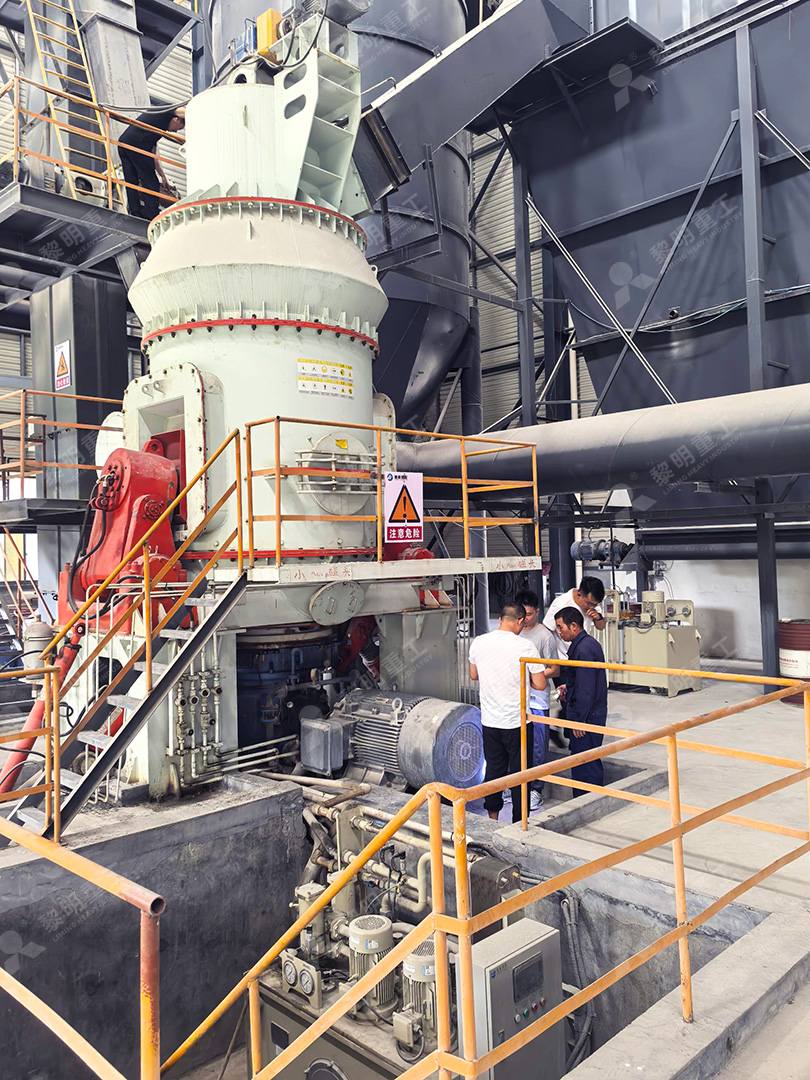
In Malaysia, where local humidity and temperature vary significantly, it is also important to consider moisture control and dust collection. Efficient talc processing systems integrate drying units and dust filters to maintain powder purity and prevent environmental pollution. For cosmetic and paint-grade talc, maintaining cleanliness and preventing contamination during grinding is essential to meet quality certifications and export standards.
Liming Heavy Industry offers comprehensive grinding solutions tailored for the production of talc powder in paint, coating, and cosmetic applications. The company's equipment is designed for energy efficiency, precision, and long-term reliability. With a wide range of mill types and customizable configurations, Liming Heavy Industry provides complete solutions — from material feeding and grinding to classification and dust collection — ensuring customers achieve stable performance and consistent fineness across different grades of talc.
_1761361296291.jpg)
Its engineering team focuses on optimizing each production line to meet the specific requirements of local industries. Whether for large-scale industrial paint production or fine cosmetic talc processing, Liming Heavy Industry's grinding systems ensure superior output, low energy consumption, and easy operation. By adopting advanced sealing technology and automated control systems, the equipment meets international safety and hygiene standards, making it a trusted choice for manufacturers in Malaysia and across Southeast Asia.
With proven performance in mineral processing and decades of experience, Liming Heavy Industry continues to support industrial partners in upgrading their grinding technology and improving production efficiency. Choosing a professional supplier that provides both equipment and technical expertise is key to achieving high-quality talc powder for modern applications.
_1761355701097.jpg)
Frequently Asked Questions
1. What fineness of talc powder is suitable for paint and coating production?
Typically, 325–2500 mesh talc powder is used, depending on the desired surface smoothness and opacity of the final product.
2. Why is energy-efficient grinding equipment important for talc processing?
It helps reduce electricity consumption, minimizes heat generation, and maintains the structural integrity and whiteness of talc.
3. Can one grinding line produce different grades of talc for various industries?
Yes, with adjustable classifiers and variable-speed controls, one system can produce multiple fineness levels suitable for paint, coating, and cosmetics.
4. What are the advantages of vertical grinding mills over traditional systems?
They integrate drying, grinding, and classification, offer higher output with lower energy consumption, and require less maintenance.
5. How does Liming Heavy Industry ensure product quality and stable performance?
By combining durable wear-resistant components, automated monitoring systems, and professional technical support, ensuring long-term, consistent operation.


